
A New Approach to Heat Safety: Making Symptoms Easier to Communicate
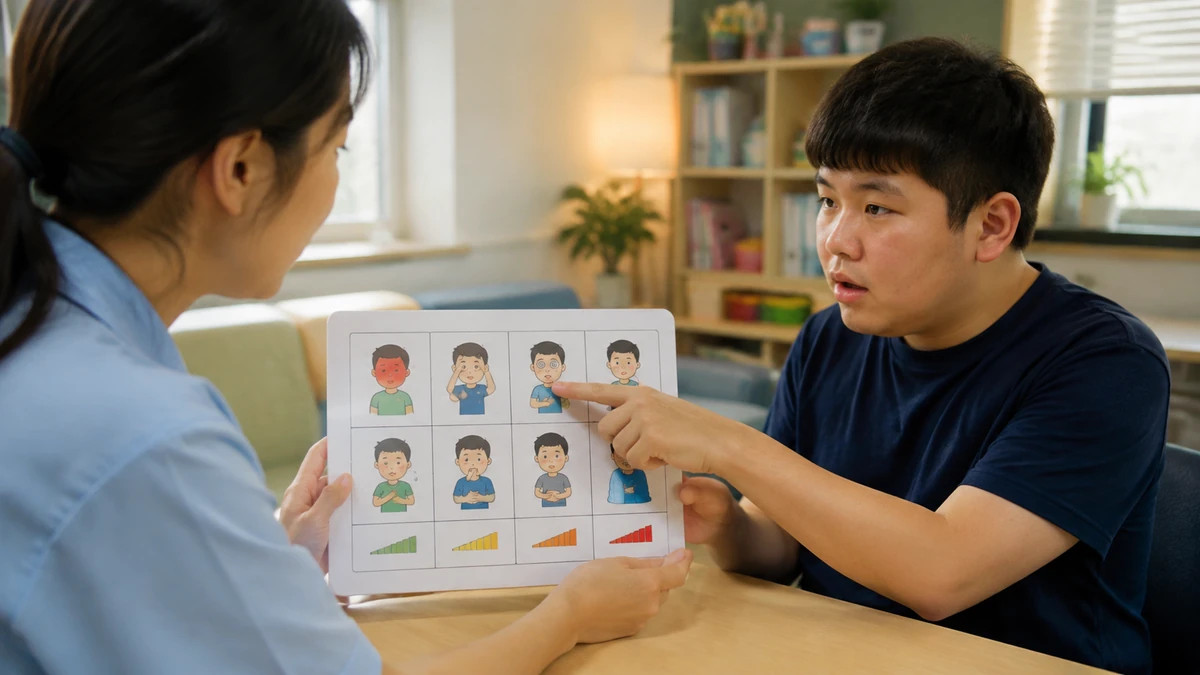
South Korea’s national health authorities have introduced a new communication tool designed to help people express symptoms of heat-related illness even when speaking or writing is difficult. The Korea Disease Control and Prevention Agency (KDCA) announced the distribution of picture-based posters and leaflets that allow people, including those with developmental disabilities, to identify and communicate signs of heat illness during dangerous summer conditions.
The initiative reflects a growing global conversation about accessibility in public health. Traditional heat warnings and medical guidance are usually delivered through written instructions, emergency alerts or spoken explanations. However, those systems may not work equally well for everyone. A person experiencing dizziness, confusion or severe fatigue during a heat wave may also face difficulty explaining what is happening, especially if they have communication challenges.
The new Korean materials are designed around a simple idea: during a health emergency, the ability to communicate symptoms can be as important as recognizing them. By using images that represent common heat illness symptoms, the tool gives users another way to ask for help and allows caregivers, medical workers and bystanders to better understand their condition.
For American audiences, the concept is similar to accessibility tools used in schools, hospitals and emergency settings, where visual communication systems help people who cannot easily rely on speech. South Korea’s effort applies that principle specifically to one of the country’s growing seasonal health concerns: extreme summer heat.
How Picture-Based Communication Works
The materials are based on augmentative and alternative communication, commonly known as AAC. AAC refers to methods that support or replace spoken communication through tools such as symbols, pictures, gestures or digital devices.
In the South Korean heat illness posters, users can point to images representing symptoms such as headaches, dizziness, weakness or discomfort. They can also indicate the severity of their symptoms. Instead of having to describe their condition verbally, a person can use a finger, eye movement or another form of selection to show what they are experiencing.
This approach is particularly valuable during heat emergencies because symptoms can develop quickly. Heat exhaustion and heat stroke can become serious medical conditions when treatment is delayed. Early signs may include heavy sweating, dizziness, nausea, headache and unusual tiredness. If a person cannot explain these symptoms, others may not realize that immediate assistance is needed.
The KDCA’s communication materials are therefore more than informational brochures. They function as a practical tool for interaction between the person experiencing symptoms and the people around them. The goal is not simply to teach people about heat illness but to create a pathway for faster recognition and response.
Public health experts have increasingly emphasized that emergency information must be designed for different abilities and circumstances. A warning system that reaches only people who can read, hear or quickly process written instructions may leave some communities behind. Visual communication offers another layer of protection.
Why Heat Waves Create Special Communication Challenges
South Korea experiences intense summer heat, with government agencies regularly issuing heat advisories and warnings during periods of high temperatures. Like many countries around the world, South Korea has faced increasing concern about heat-related health risks as climate patterns produce longer and more frequent periods of extreme heat.
Heat illness is not only a problem caused by temperature itself. Risk depends on many factors, including age, health conditions, outdoor activity, access to cooling spaces and the ability to recognize warning signs. Older adults, outdoor workers and people with certain disabilities can face higher risks during prolonged heat events.
In Korean society, where community support systems often play an important role in caring for vulnerable populations, communication between individuals and caregivers is especially important. Family members, support workers and local officials may be among the first people to notice that someone is struggling in extreme heat.
However, noticing a problem is not always enough. The person affected must still be able to communicate what they feel. A person who cannot easily say “I feel dizzy” or “I have a headache” may not receive help as quickly as someone who can describe their symptoms.
The new KDCA materials address this gap by changing the question from “Can this person explain their condition?” to “How can we help this person express their condition?” That shift represents a broader movement in public health toward inclusive design.
South Korea’s Broader Push for Accessible Public Health Information
The picture-based heat illness tool is part of a larger effort to make government services easier for more people to use. In recent years, South Korea has expanded accessibility measures in areas including transportation, digital services, education and emergency response.
The country has invested heavily in technology and public information systems, but officials and advocates have also highlighted that technology alone does not solve every accessibility challenge. Information must be understandable and usable by the people who need it most.
This is particularly important during emergencies. Natural disasters, extreme weather events and health crises often create stressful situations where complex instructions can become difficult to follow. Simple visual systems can help bridge communication gaps when time is limited.
For example, emergency responders in many countries use symbols and standardized signs to communicate across language barriers. Similarly, picture-based health communication can support people with different communication abilities without requiring specialized equipment.
The Korean government’s approach reflects an evolving understanding of safety: protecting people from hazards requires not only preventing danger but also ensuring that everyone has a way to participate in their own protection.
Climate Change and the Future of Inclusive Safety Systems
The introduction of this tool comes as governments worldwide are reconsidering how they prepare communities for climate-related risks. Heat waves have become a major public health concern in many regions, from Europe and North America to Asia and Australia.
In the United States, extreme heat is already recognized as one of the deadliest weather-related hazards. Public health agencies have developed cooling centers, emergency alerts and outreach programs, but accessibility remains an ongoing challenge. Communities must consider whether warnings and resources are reaching people with different physical, cognitive and communication needs.
South Korea’s picture-based system offers a broader lesson: climate adaptation is not only about infrastructure, technology or forecasting. It is also about communication. A person must be able to understand a risk, recognize a problem and request assistance.
As populations age and climate-related emergencies become more frequent, governments are increasingly expected to design systems that work for diverse communities. Tools like AAC-based health materials demonstrate how small changes in communication design can have significant effects during critical moments.
A Small Tool With a Larger Message About Public Health
The KDCA’s heat illness communication posters and leaflets may appear simple, but they represent a significant change in how public health messages are delivered. Instead of treating communication as a one-size-fits-all process, the initiative recognizes that people express needs in different ways.
The project also highlights a broader principle: health protection depends on inclusion. A warning about extreme heat is only effective if people can understand it and act on it. A medical response is only effective if symptoms can be recognized and communicated.
For global audiences watching how countries respond to climate challenges, South Korea’s approach provides an example of accessibility-focused public safety planning. The country’s response shows that preparing for extreme weather requires more than temperature monitoring and emergency announcements. It requires systems that allow every person to be heard, even without traditional speech.
As heat waves become a more common part of summer life around the world, the ability to communicate health risks may become an essential part of climate resilience. South Korea’s new picture-based tool demonstrates that sometimes the most important innovation is not a new machine or advanced technology, but a simpler way for people to connect with one another when help is needed most.


0 Comments