Korea-US Trade Negotiations Conclude with 15% Auto Tariff Adjustment While Protecting Rice and Beef Markets
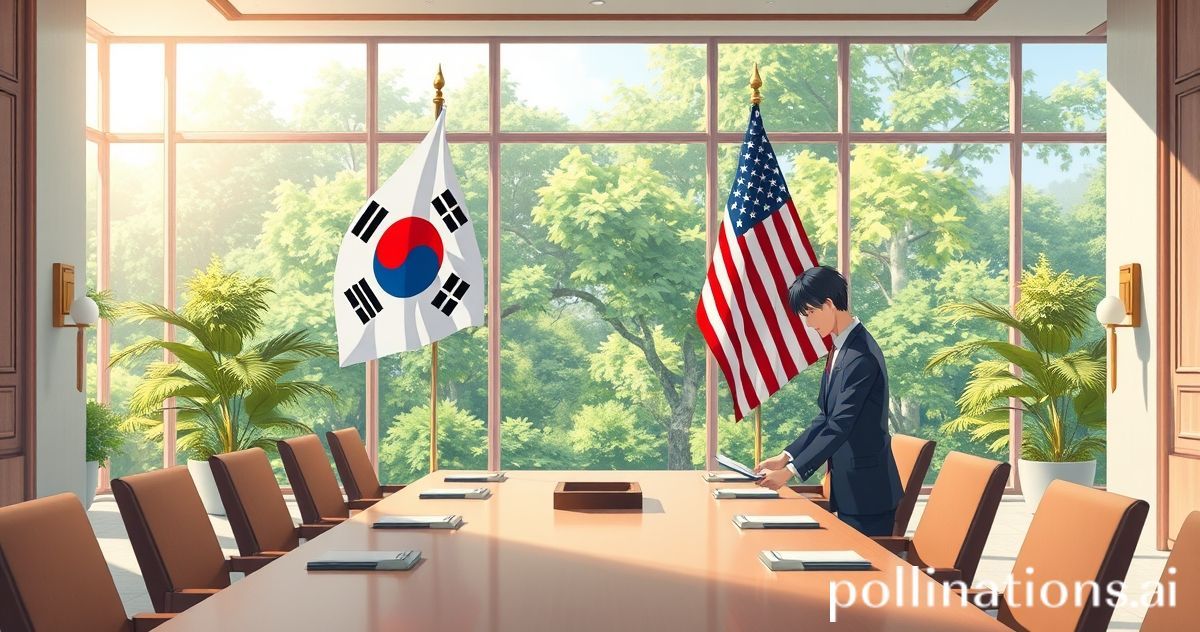
Historic Trade Agreement Balances Economic Interests
South Korea and the United States have successfully concluded months of intensive trade negotiations, reaching a landmark agreement that adjusts automotive tariffs to 15% while protecting Korea's sensitive agricultural sectors from additional market opening pressures.Key Terms of the Agreement
The bilateral trade deal, announced jointly by both governments on August 3, 2025, represents a significant milestone in Korea-US economic relations. Under the new framework, automotive tariffs will be standardized at 15%, a compromise that addresses American concerns about trade imbalances while maintaining Korea's competitive position in the global auto market. Perhaps most significantly for Korean domestic politics, the agreement successfully shields the country's rice and beef sectors from additional market liberalization. This outcome addresses long-standing concerns among Korean farmers and agricultural organizations who had feared expanded access for American agricultural products.Economic Impact and Industry Response
Korean automotive manufacturers, including Hyundai Motor Company and Kia Corporation, have expressed cautious optimism about the agreement. Industry analysts suggest that the 15% tariff level, while higher than previously hoped, provides more certainty than the volatile trade environment of recent years. The Korea International Trade Association praised the negotiation team's ability to protect sensitive agricultural sectors while maintaining access to the crucial American automotive market. Trade experts note that this balance reflects sophisticated diplomatic maneuvering by both sides.Political Implications
The successful conclusion of these negotiations provides a significant political victory for the current Korean administration, which had campaigned on promises to protect domestic agriculture while expanding international trade opportunities. Opposition parties have offered measured support for the agreement, with several key figures noting that the protection of rice and beef markets addresses critical concerns of rural constituencies.Implementation Timeline
The agreement is expected to take effect following legislative approval in both countries, with implementation targeted for early 2026. Trade officials from both nations will establish monitoring mechanisms to ensure smooth implementation and address any emerging issues. This development marks a new chapter in Korea-US economic cooperation, demonstrating that complex trade disputes can be resolved through persistent diplomacy and mutual understanding of each nation's core economic interests.Original Korean Article: https://trendy.storydot.kr/politics/
Comments
Post a Comment