Trump's Ultimatum and Iranian Defiance
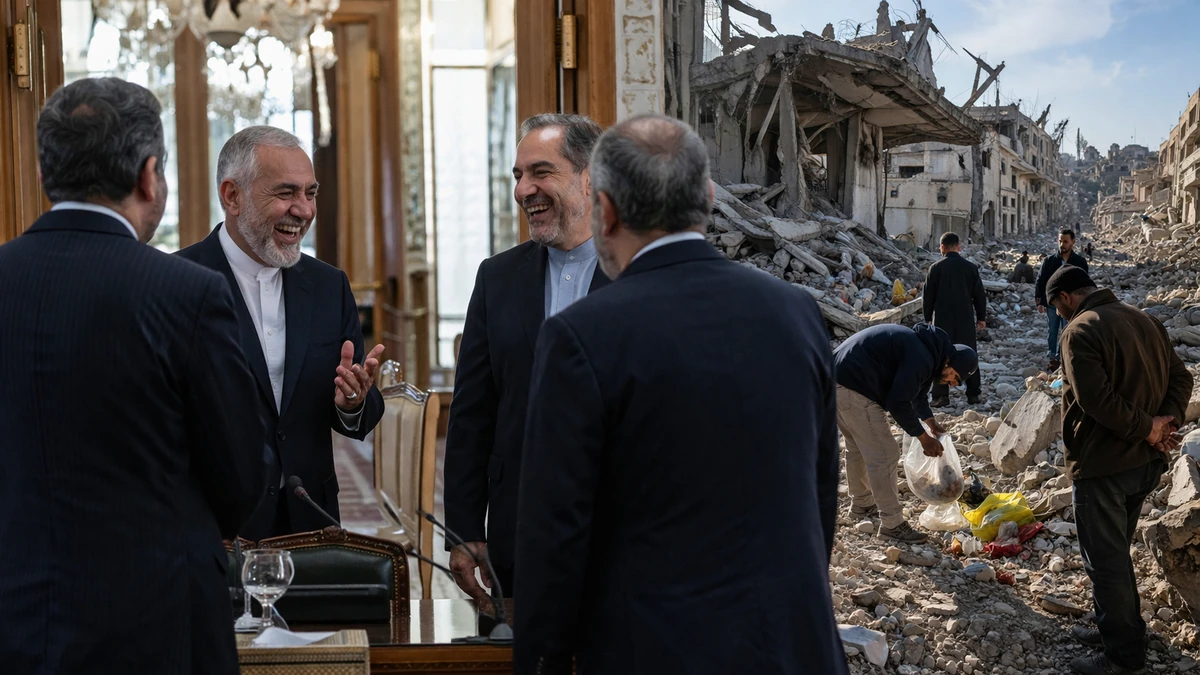
In a world where tensions between nations are often marked by sharp words and even sharper policies, former U.S. President Donald Trump's recent 'deadline' for Iran has sparked renewed defiance from Tehran. On April 7, 2026, Iranian diplomats publicly mocked Trump's ultimatum, further intensifying the already fraught relations between the two countries. Trump had issued a stern warning to Iran, demanding a halt to certain nuclear activities, or else facing further economic sanctions. However, Iran, steadfast in its sovereignty, rejected these demands, with Iranian officials boldly asserting their position despite the mounting pressure from Washington.
The Economic Struggles of Iran’s Citizens
While diplomatic posturing dominates the headlines, the reality on the ground for ordinary Iranians is far more dire. Since Trump’s ultimatum, the country’s economic difficulties have intensified, with soaring inflation and skyrocketing unemployment affecting millions of people. Reports from within Iran indicate that in certain regions, there are shortages of essential goods, such as food and medicine, making daily survival a significant challenge for the population. These economic hardships are compounded by political instability, with many Iranians feeling the brunt of both internal and external pressures. It has become evident that the effects of this geopolitical stand-off are not confined to the corridors of power but resonate deeply in the lives of everyday citizens.
The Continuing Tensions Between the U.S. and Iran
The tensions between the U.S. and Iran have been simmering for years, primarily over Iran’s nuclear program and its alleged support for terrorism. Trump’s administration had already imposed crippling sanctions on Iran, aiming to halt its nuclear development and curb its regional influence. However, Tehran has remained resolute, asserting that its nuclear ambitions are peaceful and rejecting U.S. accusations of terrorism. The latest round of escalation comes as the U.S. continues to pressure Iran, while Iran stands firm on its national interests and sovereignty. With both sides refusing to back down, the future of U.S.-Iran relations appears to be increasingly precarious.
The Broader Impact on Middle Eastern Security
The geopolitical rift between the U.S. and Iran is not just a bilateral issue; it has wide-reaching implications for the security and stability of the entire Middle East. Iran’s strategic position in the region, coupled with its influence in various proxy conflicts, makes it a pivotal player in Middle Eastern geopolitics. For the U.S. and its allies, Iran’s actions are a critical concern, especially given the country’s nuclear ambitions. As tensions mount, there are growing concerns about the potential for military clashes, with some experts warning that the region could be on the brink of a more significant conflict. The presence of military bases in neighboring countries and the involvement of various international actors make the risk of escalation particularly high.
Looking Ahead: A Complex Future
The situation between the U.S. and Iran is poised to become even more complicated in the coming months. Trump's provocative comments and Iran's defiant stance are pushing both nations toward a deeper confrontation, with little room for diplomatic compromise. The global community, particularly the United Nations and other international mediators, may find their efforts to de-escalate the situation increasingly obstructed by the entrenched positions of both sides. Experts predict that the consequences of this standoff will not only affect Iran and the U.S. but could have far-reaching economic and military ramifications for the entire Middle East. As the world watches, it remains to be seen whether diplomacy can still find a foothold in this increasingly hostile environment.
Comments
Post a Comment