Image to help understand the article
Iran Links Strait of Hormuz Access to U.S. Commitments in Nuclear and Sanctions Talks
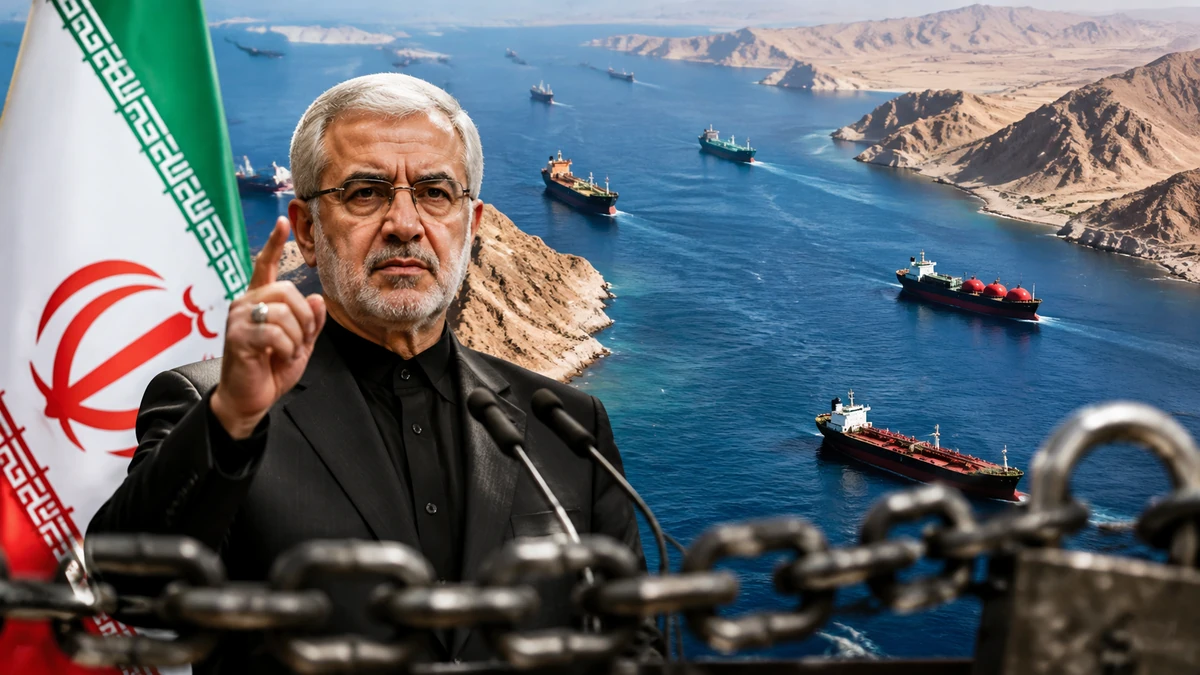
Iran says it will continue restricting access to the Strait of Hormuz until the United States fulfills commitments made under a preliminary understanding between the two countries, according to a statement by Iranian Parliament Speaker Mohammad Bagher Ghalibaf. The remarks highlight how a diplomatic dispute between Washington and Tehran has become directly connected to one of the world’s most important maritime trade routes.
Speaking on Iranian state television, Ghalibaf said the Strait of Hormuz would not be reopened until the United States carries out obligations outlined in a memorandum of understanding. Iranian officials said those obligations include easing maritime restrictions, removing sanctions and releasing frozen Iranian assets.
For audiences in the United States, the significance of the statement goes beyond another chapter in the long-running U.S.-Iran dispute. The Strait of Hormuz is a narrow waterway between Iran and Oman that serves as a critical passage for global energy shipments. Any prolonged disruption could affect oil markets, shipping costs and broader economic conditions far beyond the Middle East.
The Iranian announcement represents Tehran’s position in ongoing negotiations, rather than a confirmed outcome of talks. It remains unclear how Washington will respond or whether additional diplomatic steps will lead to changes in the situation.
Why the Strait of Hormuz Matters to the Global Economy
The Strait of Hormuz has long been considered one of the world’s most strategically important maritime chokepoints. A chokepoint is a narrow passage where disruptions can create effects across international trade networks. Similar examples familiar to American policymakers include the Panama Canal, which plays a major role in global shipping, and major ports that connect international supply chains.
The importance of Hormuz comes largely from its role in energy transportation. The Persian Gulf region contains some of the world’s largest oil and natural gas producers, and shipments leaving those countries often pass through the strait before reaching global markets. A crisis in the area can quickly become an economic issue for countries that are geographically distant from the Middle East.
For the United States, the impact is complicated. America has become one of the world’s largest energy producers in recent years, reducing some direct dependence on Middle Eastern oil compared with previous decades. However, energy markets operate globally. A disruption affecting major exporters can still influence fuel prices, inflation expectations and transportation costs in the United States.
Businesses, investors and government officials typically watch developments around Hormuz because even the possibility of disruption can create uncertainty. Insurance costs for shipping companies may rise, companies may adjust supply routes and financial markets may react to concerns about future energy availability.
A Long History of Conflict Between Washington and Tehran
The latest dispute is rooted in decades of tension between Iran and the United States. Relations between the two countries have been deeply strained since the 1979 Iranian Revolution, when U.S.-Iran diplomatic ties were broken after Iranian students seized the U.S. Embassy in Tehran.
In recent years, disagreements over Iran’s nuclear program, economic sanctions and regional influence have remained central issues. The United States has used sanctions as a major tool of foreign policy, targeting Iran’s financial system, energy sector and international trade activities. Iran has repeatedly argued that sanctions have damaged its economy and demanded relief as part of any agreement.
The issue of frozen assets is particularly important in negotiations. When countries impose financial restrictions, governments and companies can lose access to funds held overseas. Iran has consistently sought the release of blocked assets as a sign that diplomatic agreements are producing practical economic benefits.
The current dispute reflects a broader challenge in international diplomacy: agreements often depend not only on written promises but also on whether each side believes the other will actually follow through. Tehran’s decision to connect the reopening of a major shipping route with U.S. actions demonstrates its effort to maintain leverage during negotiations.
What This Means for the United States: Energy Markets, Companies and Consumers
For Americans, the immediate question is whether the dispute will affect gasoline prices, energy markets or international business conditions. At this stage, the Iranian statement alone does not determine future market outcomes. The impact will depend on whether restrictions on the Strait of Hormuz continue, expand or are resolved through diplomacy.
American energy companies, shipping firms and manufacturers are among the groups that pay close attention to developments in the region. Large companies with international supply chains often build contingency plans for geopolitical disruptions, including alternative shipping routes, additional inventories and risk management strategies.
The situation also matters for U.S. foreign policy. Washington has traditionally viewed freedom of navigation as a major international principle, particularly in regions where maritime routes are essential to global commerce. Any prolonged challenge involving the Strait of Hormuz would likely become a focus for U.S. diplomats and security officials.
For American consumers, the connection may appear distant, but global energy markets create links between international events and everyday costs. Changes in oil prices can influence transportation expenses, airline operations, manufacturing costs and household budgets. Similar patterns have been seen during previous geopolitical crises, when conflicts far from the United States contributed to changes in energy markets.
The episode also reflects the continuing importance of U.S.-Middle East relations. Even as the United States expands domestic energy production and diversifies its global partnerships, developments in the Persian Gulf remain a significant factor in American economic and security planning.
Diplomatic Pressure or Negotiation Strategy?
Analysts view Iran’s announcement as both a diplomatic message and a negotiating tactic. By linking access to the Strait of Hormuz with sanctions relief and other demands, Iranian officials are attempting to increase pressure on Washington during discussions.
Such strategies are common in international negotiations, where governments use political, economic or strategic tools to strengthen their positions. However, these approaches can also increase uncertainty if opposing sides interpret actions as threats rather than bargaining positions.
The next steps will likely depend on whether U.S. and Iranian officials can find common ground on sanctions, economic restrictions and security concerns. A successful diplomatic process could reduce tensions, while a breakdown in talks could increase pressure on energy markets and regional stability.
It is also important to distinguish between official statements and confirmed policy changes. Iran’s announcement represents the position of one side in a complex dispute. The response from the United States and other international actors will help determine whether the situation moves toward resolution or further confrontation.
A Global Issue With Consequences Beyond the Middle East
The Strait of Hormuz dispute illustrates how modern geopolitical conflicts can quickly become global economic issues. A disagreement between two countries can affect shipping lanes, commodity prices and business decisions worldwide.
For countries that rely heavily on imported energy, the stability of maritime trade routes remains a major concern. Governments and companies increasingly focus on supply chain resilience, seeking ways to reduce the risks created by regional conflicts or political disputes.
The United States, as a major economic and military power, will continue to play a central role in shaping responses to developments involving Iran. But the outcome will also depend on international diplomacy, market reactions and decisions made by governments across the Middle East and beyond.
As negotiations continue, global observers will watch three key factors: whether Iran changes its position on the Strait of Hormuz, whether Washington responds with sanctions-related measures, and whether diplomatic channels can prevent a wider escalation. The situation remains a reminder that strategic waterways are not only geographic locations — they are critical connections linking politics, energy and the global economy.
Comments
Post a Comment