Seoul Food Safety Checks Find Pesticide Residue Violations in Fresh Vegetables, Highlighting Global Food Safety Concerns
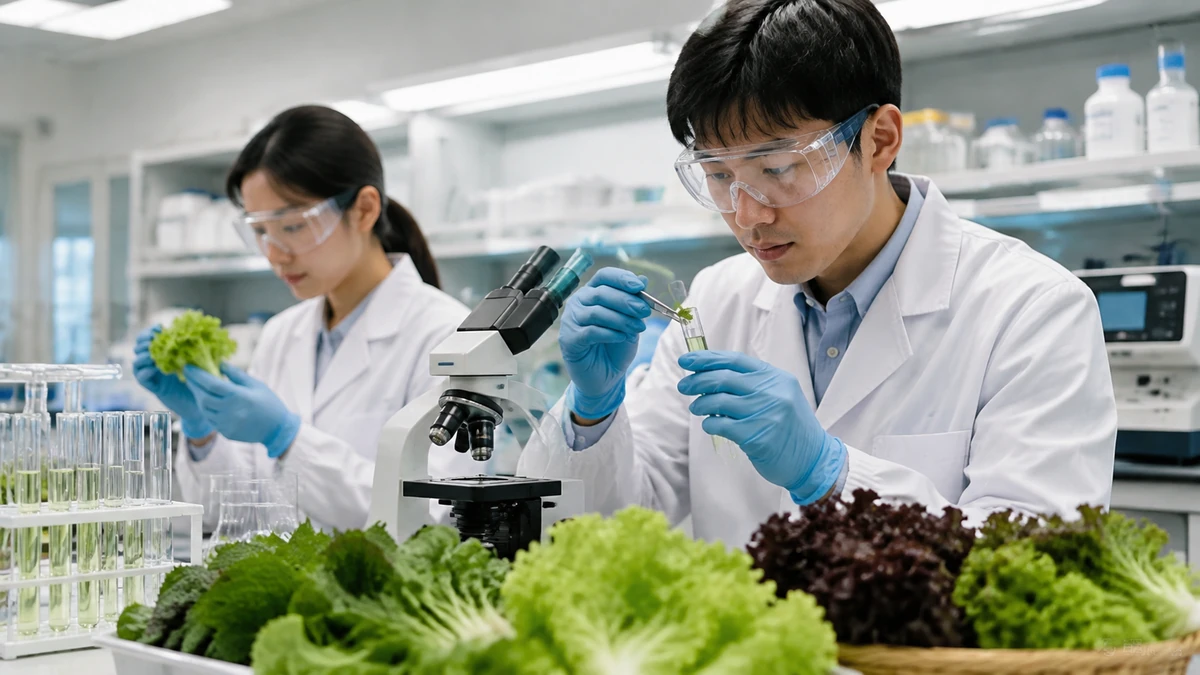
Image to help understand the article
Seoul Expands Summer Produce Safety Checks After Pesticide Residue Findings
South Korean food safety officials have intensified monitoring of fresh produce after a seasonal inspection found that a small portion of agricultural products exceeded permitted pesticide residue levels. The Seoul Metropolitan Government’s Research Institute of Public Health and Environment said 23 out of 1,112 tested samples failed safety standards, representing about 2.06% of all inspected products.
The inspection was conducted from June through July, focusing on produce commonly consumed during South Korea’s hot and humid summer months. Samples were collected from major agricultural wholesale markets, including Seoul’s Garak Market and Gangseo Agricultural Products Market, as well as large retailers and online food sellers.
The tested products covered 58 categories of agricultural goods. Violations were found among 16 types of produce, including lettuce, perilla leaves and other leafy vegetables frequently eaten raw or lightly prepared in Korean cuisine.
For American readers unfamiliar with Korean dining culture, leafy vegetables play a particularly important role in everyday meals. Korean meals often include “ssam,” a style of eating in which diners wrap grilled meat, rice and seasonings inside fresh leaves such as lettuce or perilla. Because these vegetables are often consumed without cooking, consumers and regulators pay close attention to cleanliness and safety standards.
Why Leafy Greens Receive Special Attention in Korea
The Seoul inspection reflects a broader approach in South Korea’s food safety system: identifying seasonal risks before they become larger public health concerns. During summer, warmer temperatures and increased humidity can contribute to greater pest activity, creating pressure on farmers to manage crops more intensively.
Pesticides are widely used around the world to protect crops from insects, fungi and plant diseases. Regulatory agencies establish maximum residue limits designed to ensure that food remains safe for consumers. When products exceed those limits, authorities can remove them from distribution channels and investigate production practices.
South Korea’s urban population relies heavily on complex food supply networks. Seoul, a city of nearly 10 million residents, receives agricultural products from farms across the country and distributes them through wholesale markets, supermarkets and increasingly popular online grocery platforms. This makes inspection systems an important link between rural producers and city consumers.
The Seoul health research institute said its summer strategy prioritizes vegetables that are frequently eaten by residents and crops considered more vulnerable to pest problems. The goal is not to discourage vegetable consumption, officials said, but to strengthen confidence in the food system through regular testing.
Experts often emphasize that food safety involves multiple stages, from farming practices to transportation, storage and household preparation. Consumers also have a role by washing produce carefully, especially vegetables with layered leaves where soil or residue may remain trapped.
What This Means for American Consumers and the U.S. Food Market
The Seoul findings offer a familiar issue for the United States: how modern food systems balance agricultural productivity with consumer safety. American consumers have also become increasingly interested in where their food comes from, how it is grown and what standards are used before products reach grocery shelves.
The United States operates its own extensive food monitoring framework through agencies including the Food and Drug Administration and the U.S. Department of Agriculture. Like South Korea, the U.S. regularly tests food products for chemical residues and establishes limits intended to protect public health.
The Korean case may be especially relevant as Korean food continues to grow in popularity among American consumers. Korean barbecue restaurants, kimchi products and Korean grocery stores have expanded across many U.S. cities, while interest in Korean cooking has increased through social media and streaming content.
For American consumers buying Korean ingredients, including fresh herbs and vegetables used in Korean recipes, the Seoul inspection highlights a shared global reality: food safety depends on transparent monitoring systems regardless of national borders.
The issue also matters for companies involved in international food trade. South Korea and the United States maintain significant agricultural and food trade relationships, and both countries rely on confidence in inspection standards to support consumer trust. As demand for Asian foods grows in the U.S. market, producers and exporters face increasing expectations for traceability, quality control and clear safety information.
Beyond One Inspection: The Growing Importance of Food Transparency
The Seoul pesticide residue report is part of a larger global trend toward greater transparency in food production. Consumers are increasingly interested not only in nutritional value but also in farming methods, environmental conditions and supply chain reliability.
This trend can be seen across many countries, including the United States, where shoppers increasingly seek organic products, locally sourced foods and detailed labeling. While certification systems differ by country, the underlying concern is similar: consumers want confidence that the food they purchase meets recognized safety standards.
South Korea’s approach combines laboratory testing with targeted seasonal monitoring. Rather than applying identical inspection levels to every product at all times, authorities analyze past findings, agricultural conditions and consumption patterns to determine where additional attention may be needed.
This risk-based model is becoming more common internationally. Governments are using data to identify potential problems earlier and focus resources where they can have the greatest impact.
For global food companies, these changes mean that safety management is becoming a competitive factor. Companies that can demonstrate strong quality controls and transparent sourcing may gain consumer trust, while failures can quickly damage reputations in an era of rapid online communication.
Korean Food Culture and the Everyday Role of Fresh Ingredients
Understanding the importance of this inspection requires understanding the role of fresh produce in Korean daily life. Unlike some Western dining traditions where vegetables may primarily appear as side dishes, Korean meals often incorporate vegetables into the central eating experience.
Perilla leaves, for example, are a distinctive ingredient in Korean cuisine with a fragrant flavor that differs from common Western herbs. They are used in wraps, pickled dishes and other preparations. Lettuce is also a staple companion for grilled dishes, especially at Korean barbecue restaurants.
Because these foods are closely connected to everyday meals, food safety discussions in Korea often receive significant public attention. A concern involving common household ingredients can affect millions of consumers directly.
At the same time, health officials encourage people to continue eating vegetables as part of a balanced diet. The message from the inspection is focused on improving management practices, not reducing vegetable consumption.
Consumers can reduce potential risks by purchasing produce from reliable sources, washing vegetables thoroughly under running water and storing them properly after purchase. These simple steps complement government monitoring and agricultural safety programs.
What to Watch Next in U.S.-Korea Food and Health Connections
The Seoul inspection comes at a time when food, health and technology are becoming increasingly connected. Both South Korea and the United States are exploring ways to improve supply chain visibility through digital tools, improved testing methods and better information sharing.
For American audiences, the key takeaway is that food safety challenges are increasingly global. A vegetable grown in one region may eventually reach consumers thousands of miles away, and maintaining trust requires cooperation among farmers, regulators, retailers and consumers.
South Korea’s experience also reflects a broader shift in Asia’s consumer markets. As populations become more health-conscious and online grocery shopping expands, demand for reliable information about food quality is likely to continue growing.
Future developments may include more advanced tracking systems, faster testing technologies and stronger international cooperation on food standards. While the Seoul findings involved a relatively small percentage of tested products, they demonstrate the continuing importance of monitoring the foods people eat every day.
For the United States, the story offers a reminder that food safety is not only a domestic issue. As American consumers embrace global cuisines and international food products, the systems behind those foods become increasingly important. South Korea’s seasonal produce inspections provide one example of how governments are adapting to a world where food supply chains, consumer expectations and public health concerns are closely connected.
Comments
Post a Comment