South Korea Seeks Stronger Business Foundations for Companies Entering Argentina
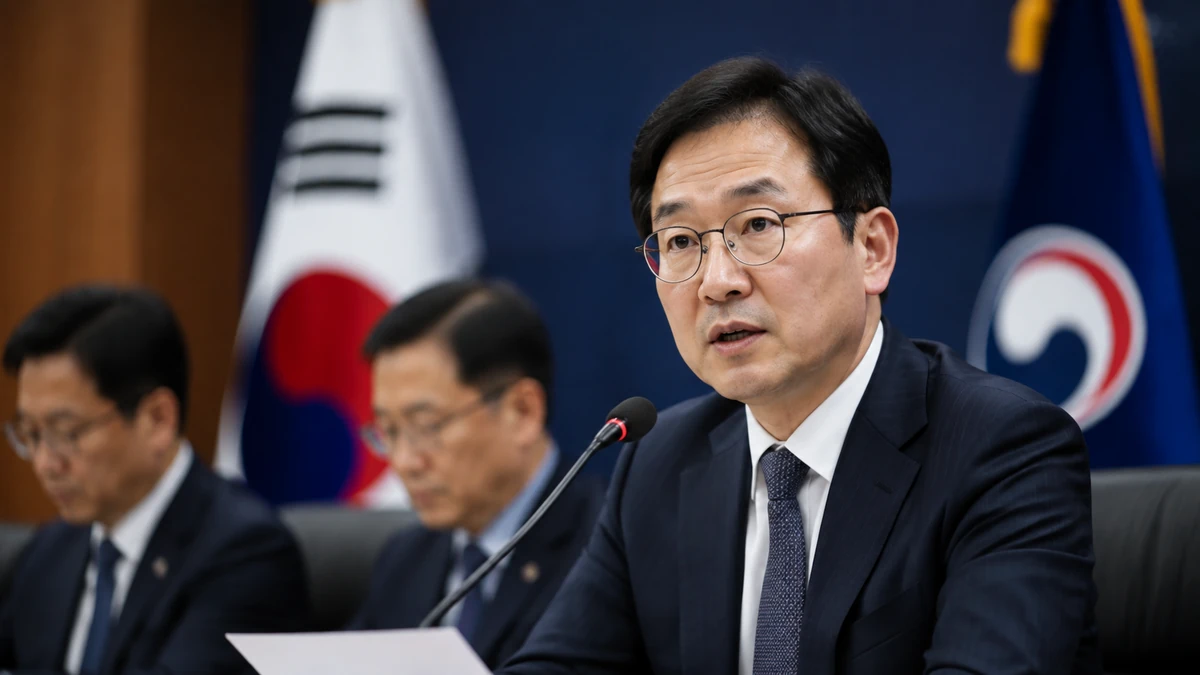
South Korea is working to make overseas expansion more predictable for its companies by strengthening the tax framework surrounding international business. The country’s National Tax Service chief Lim Kwang-hyun said Aug. 5, 2026, that his agency would support Korean companies seeking opportunities in Argentina following the results of President Lee Jae-myung’s diplomatic engagement with the South American nation.
For American readers, the issue may sound technical, but tax certainty is often a major factor behind corporate investment decisions. When companies operate across borders, they must navigate multiple tax systems, reporting requirements and regulatory environments. A lack of clarity can increase costs and make long-term planning more difficult.
According to Yonhap News Agency, Lim said the finalization of a tax treaty designed to prevent double taxation between South Korea and Argentina could provide an important foundation for companies expanding their operations abroad. He emphasized that South Korea’s tax authority would help ensure that diplomatic achievements translate into practical benefits for businesses.
The development reflects a broader trend among export-driven economies: governments are increasingly focusing not only on trade agreements but also on the administrative systems that allow companies to operate smoothly in foreign markets.
Why Double Taxation Treaties Matter for Global Businesses
A double taxation agreement is a type of international tax arrangement that helps prevent companies and individuals from being taxed twice on the same income by two different countries. These agreements typically establish which country has the right to tax certain types of income and provide mechanisms to reduce overlapping tax burdens.
For multinational corporations, this kind of framework can influence whether an overseas investment appears financially attractive. A company considering a new factory, technology operation or service business abroad must estimate not only market demand and operating costs but also the tax consequences of earning revenue in another country.
South Korea’s economy has long depended on international trade. Major Korean companies in industries such as electronics, automobiles, shipbuilding and advanced technology operate global supply chains spanning multiple continents. As smaller and mid-sized Korean businesses also pursue international opportunities, predictable tax rules have become increasingly important.
Argentina represents a market with potential opportunities for foreign companies, particularly in areas connected to resources, infrastructure, technology and consumer markets. However, entering any new market requires companies to evaluate a wide range of factors, including economic conditions, local regulations, currency issues and taxation.
The tax agreement itself does not guarantee increased investment or automatically create new business opportunities. Instead, it reduces one category of uncertainty that companies must consider when evaluating whether and how to enter a foreign market.
From Diplomatic Agreements to Business-Level Support
The South Korean government has increasingly emphasized the connection between international diplomacy and private-sector growth. In many countries, including the United States, diplomatic meetings between national leaders often include discussions about business cooperation, investment opportunities and economic partnerships.
South Korea’s approach similarly focuses on creating conditions where companies can benefit from improved relations between countries. When government-to-government agreements lead to clearer rules for businesses, companies may find it easier to assess risks and make investment decisions.
Lim said through X, formerly known as Twitter, that the National Tax Service would help ensure that the achievements of diplomatic efforts contribute to expanding Korean companies’ overseas activities and markets. He described the double taxation agreement as a system that prevents businesses from carrying the burden of paying taxes twice on income earned overseas.
The role of a national tax authority in international business is different from directly promoting exports or investment. Instead, tax agencies typically provide guidance, administrative support and information that help companies understand their obligations when operating internationally.
For businesses unfamiliar with foreign markets, administrative complexity can be as significant a challenge as competition itself. Clear tax procedures can reduce the time and resources companies spend dealing with uncertainty and allow them to focus more on operations, innovation and customer development.
South Korea’s Global Business Strategy Extends Beyond Products
South Korea’s global economic success has often been associated with the strength of its products and brands. Companies such as Samsung, Hyundai and other Korean corporations have built international reputations through technology, manufacturing and innovation.
But in today’s global economy, competitiveness also depends on the environment surrounding business operations. Companies consider whether they can confidently forecast costs, comply with regulations and protect their investments when choosing where to expand.
This is especially important for companies entering markets far from their home country. A business expanding from South Korea to Argentina faces not only geographic distance but also differences in language, legal systems, business practices and financial structures.
Government support systems can help bridge these differences. Tax authorities, trade agencies and diplomatic institutions often work together to provide information and assistance that reduce barriers for companies seeking international growth.
The South Korean government’s focus on tax cooperation with Argentina reflects this broader understanding of economic diplomacy. Modern international business relationships are built not only through agreements on tariffs or trade volumes but also through practical systems that help companies operate day to day.
Argentina as a Potential Partner in South Korea’s Overseas Expansion
Argentina is one of Latin America’s largest economies and has significant natural resources, agricultural capacity and industrial potential. For South Korean companies, the country represents a possible gateway to broader opportunities in Latin America, a region with more than 650 million people.
However, international expansion requires careful preparation. Companies entering Argentina must evaluate local market conditions, workforce considerations, infrastructure, regulations and financial risks. Tax rules are one part of that larger decision-making process.
By improving tax coordination, South Korea and Argentina can create a clearer environment for businesses from both countries. Predictability can be particularly valuable for companies making long-term investments, where financial planning may extend over many years.
For Korean firms, a stable tax framework may make it easier to compare Argentina with other potential destinations for investment. For Argentina, stronger institutional links with South Korea could support efforts to attract foreign investment and deepen economic cooperation.
Economic relationships between countries are often measured through trade statistics, but businesses experience those relationships through practical issues such as contracts, regulations and taxation. The success of international partnerships depends partly on whether companies can operate efficiently after agreements are signed.
The Broader Meaning for South Korea’s International Economic Role
The latest move highlights how South Korea is attempting to strengthen the foundations behind its global economic presence. While Korean companies have become familiar names in markets around the world, continued expansion requires more than competitive products.
Businesses need reliable systems that support international operations. These include investment protections, financial networks, regulatory cooperation and tax agreements. Such measures may not attract public attention in the same way as a major corporate announcement, but they can have a significant impact on business decisions.
For international observers, including investors and companies in the United States, South Korea’s efforts show how governments are adapting economic diplomacy for a more interconnected world. Competition among countries increasingly involves creating environments where businesses can innovate, invest and expand with confidence.
The agreement with Argentina is one example of how South Korea is building those conditions. It demonstrates that overseas economic expansion is not only about selling products abroad but also about establishing the legal and administrative frameworks that allow companies to remain competitive globally.
As Korean companies continue exploring opportunities in emerging markets, tax cooperation will remain an important part of their international strategy. The National Tax Service’s commitment to supporting overseas business activity signals that South Korea views institutional stability as a key component of long-term global growth.
Comments
Post a Comment