Image to help understand the article
Korea’s Beloved Bowl of Rice and Soup Is More Diverse Than It Looks
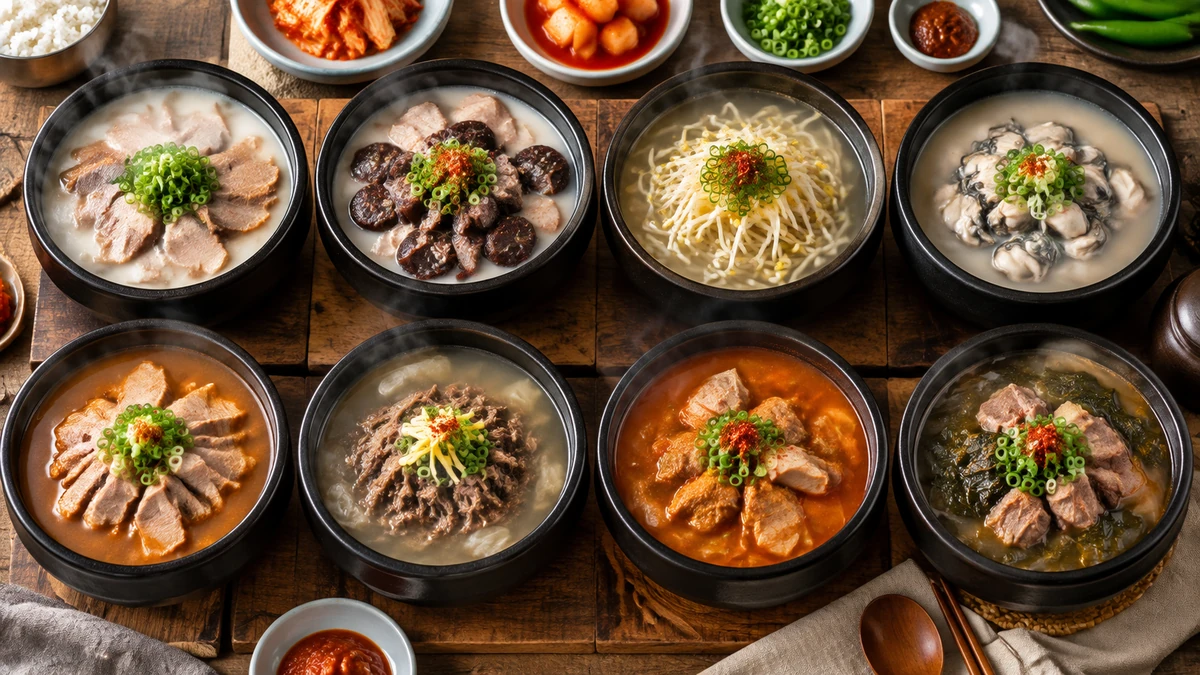
For many Koreans, gukbap is the definition of a familiar, satisfying meal: a steaming bowl that combines rice, broth and a variety of ingredients into one dish. The name itself is simple — “guk” means soup and “bap” means rice — but the food category covers a wide range of regional and culinary traditions. Similar to how Americans might use “soup” to describe everything from chicken noodle soup to clam chowder, gukbap can refer to many different combinations of flavors and ingredients.
A recent nutrition comparison using data from South Korea’s Ministry of Food and Drug Safety’s Food Nutrition Database shows that gukbap varieties can differ significantly depending on what goes into the bowl. The analysis compared eight types of gukbap based on 100-gram servings, examining calories, carbohydrates, protein, fat and sodium.
The findings challenge the idea that all gukbap dishes are nutritionally similar. A bowl centered on pork, seafood or vegetables can have very different nutritional characteristics, meaning that the choice of ingredients matters as much as the name of the dish itself.
From Pork Head Soup to Bean Sprout Broth: Ingredient Choices Drive Nutrition
The largest calorie difference appeared between pork-based and lighter vegetable-focused gukbap varieties. Pork head gukbap recorded the highest energy level among the eight dishes, with 137 kilocalories per 100 grams. Oyster gukbap followed with 105 kilocalories, while pork gukbap and sundae gukbap — a Korean soup featuring sundae, a traditional Korean blood sausage — recorded 76 and 75 kilocalories respectively.
On the lower end, beef gukbap recorded 47 kilocalories per 100 grams. Bean sprout gukbap and general gukbap varieties were both measured at 52 kilocalories, while kongnamul gukbap, another bean sprout-based version, recorded 60 kilocalories.
For American readers, these comparisons should be understood as ingredient-based differences rather than a simple ranking of “healthy” and “unhealthy” foods. A dish with more calories may also provide more protein or greater satiety, while a lower-calorie dish may contain fewer nutrients overall.
Pork head gukbap showed the highest fat level among the compared dishes at 5.16 grams per 100 grams, while oyster gukbap contained 2.74 grams and sundae gukbap contained 2.28 grams. Beef gukbap had 1.16 grams of fat, while pork gukbap recorded 3.22 grams.
Protein and Sodium Reveal Different Reasons People Choose Gukbap
Protein levels also varied widely. Pork head gukbap ranked highest with 6.7 grams of protein per 100 grams, followed closely by oyster gukbap at 6.52 grams and pork gukbap at 5.53 grams.
Other varieties contained lower amounts: regular gukbap had 3.45 grams of protein, sundae gukbap had 3.17 grams, beef gukbap had 3.11 grams, kongnamul gukbap had 2.66 grams and bean sprout gukbap had 1.45 grams.
These differences reflect Korea’s long-standing culinary tradition of using soups as complete meals. Unlike many Western soups that are often served as a starter or side dish, Korean soup dishes are frequently designed as a full meal when paired with rice and side dishes known as banchan.
Sodium levels showed another important contrast. Regular gukbap recorded the highest sodium content in the comparison at 288 milligrams per 100 grams. Beef gukbap contained 255 milligrams, oyster gukbap 252 milligrams and pork head gukbap 181 milligrams.
Meanwhile, kongnamul gukbap recorded 58 milligrams, pork gukbap 91 milligrams and sundae gukbap 126 milligrams. The results highlight how broth recipes, seasoning methods and preparation styles can influence sodium levels even among dishes that share the same basic format.
Why Gukbap Matters in Korean Food Culture
To understand why gukbap remains popular in Korea, it helps to look beyond nutrition numbers. The dish has historically been associated with affordability, convenience and comfort. In Korean cities, gukbap restaurants are common destinations for workers seeking a warm meal during a busy day.
Many Koreans also associate gukbap with recovery and nourishment. A hot soup with rice is often considered a comforting choice during cold weather or after a long day. Similar emotional connections exist in the United States with foods such as chicken soup, chili or regional stews that carry memories of home and family.
The popularity of gukbap also reflects Korea’s broader food culture, where a meal is often built around balance. Rice provides carbohydrates, while soup ingredients may provide protein, vegetables or seafood. The final nutritional profile depends on the specific recipe rather than the category alone.
For international audiences discovering Korean cuisine through restaurants, streaming shows and social media, gukbap offers an example of how Korean food often combines practicality with tradition. It is not simply a bowl of soup and rice; it represents a style of eating that values warmth, shared meals and regional identity.
What the Gukbap Nutrition Trend Means for American Consumers
The growing global interest in Korean cuisine has expanded beyond well-known foods such as kimchi, Korean barbecue and fried chicken. Across the United States, Korean restaurants and grocery products have become increasingly visible as consumers explore international flavors and new approaches to healthy eating.
For American diners, the gukbap comparison provides a useful reminder that Korean food choices can be customized around personal nutrition goals. Consumers looking for lower calorie options may compare lighter varieties such as beef or bean sprout-based gukbap. Those seeking more protein may consider versions featuring pork, seafood or other protein-rich ingredients.
The comparison also connects with a broader American food industry trend: consumers are increasingly interested in transparency. Nutrition labels, ingredient information and database-based comparisons have become important tools for people managing diets, athletic goals or general wellness.
However, there are limits to direct comparisons. The Korean data is based on 100-gram measurements, while an actual restaurant serving of gukbap may contain much more food, including rice, broth and side dishes. American consumers encountering the dish should consider portion size and overall dietary patterns rather than focusing on a single number.
The popularity of Korean cuisine in the United States has also created opportunities for restaurants, food companies and cultural exchange. As more Americans become familiar with Korean culinary terms and traditions, dishes once considered unfamiliar are increasingly becoming part of mainstream dining conversations.
How to Choose Gukbap Based on Personal Goals
The nutrition comparison suggests that there is no single “best” gukbap for everyone. The right choice depends on what a person wants from the meal.
For people focused on calorie management, comparing energy levels may be helpful. Based on the database figures, beef gukbap, bean sprout gukbap and kongnamul gukbap showed relatively lower calorie levels among the compared dishes.
For those monitoring sodium intake, checking the sodium content can provide useful guidance. Kongnamul gukbap and pork gukbap showed lower sodium levels in the comparison, while regular gukbap recorded the highest figure among the listed varieties.
For consumers prioritizing protein, pork head gukbap, oyster gukbap and pork gukbap showed higher protein content compared with several other varieties.
The broader lesson is that traditional foods can contain a wide range of nutritional profiles. Korean cuisine, like cuisines around the world, is not defined by one ingredient or one health category. The same dish name can represent very different meals depending on preparation and ingredients.
A Traditional Korean Meal Enters a New Era of Nutrition Awareness
The gukbap comparison reflects a larger shift in how people around the world view traditional foods. Rather than labeling entire cuisines as healthy or unhealthy, consumers are increasingly examining individual ingredients, cooking methods and nutritional balance.
For Korea, gukbap remains a symbol of everyday comfort. For global audiences, including Americans discovering Korean food, it offers another example of the complexity behind Korea’s culinary traditions.
As interest in Korean culture continues to expand internationally, understanding foods like gukbap requires more than knowing what is in the bowl. It requires understanding the history, habits and choices that made the dish a lasting part of Korean life.
Comments
Post a Comment