Image to help understand the article
Lee Bong-ju Became a Symbol of Korean Marathon Excellence
For many American sports fans, marathon running is often associated with famous races such as the Boston Marathon or the Olympic Games. In South Korea, however, marathon champions have also carried a deeper cultural meaning, representing national pride, perseverance and the ability to compete on the global stage. Few athletes embody that story more clearly than Lee Bong-ju, one of Korea’s most celebrated distance runners.
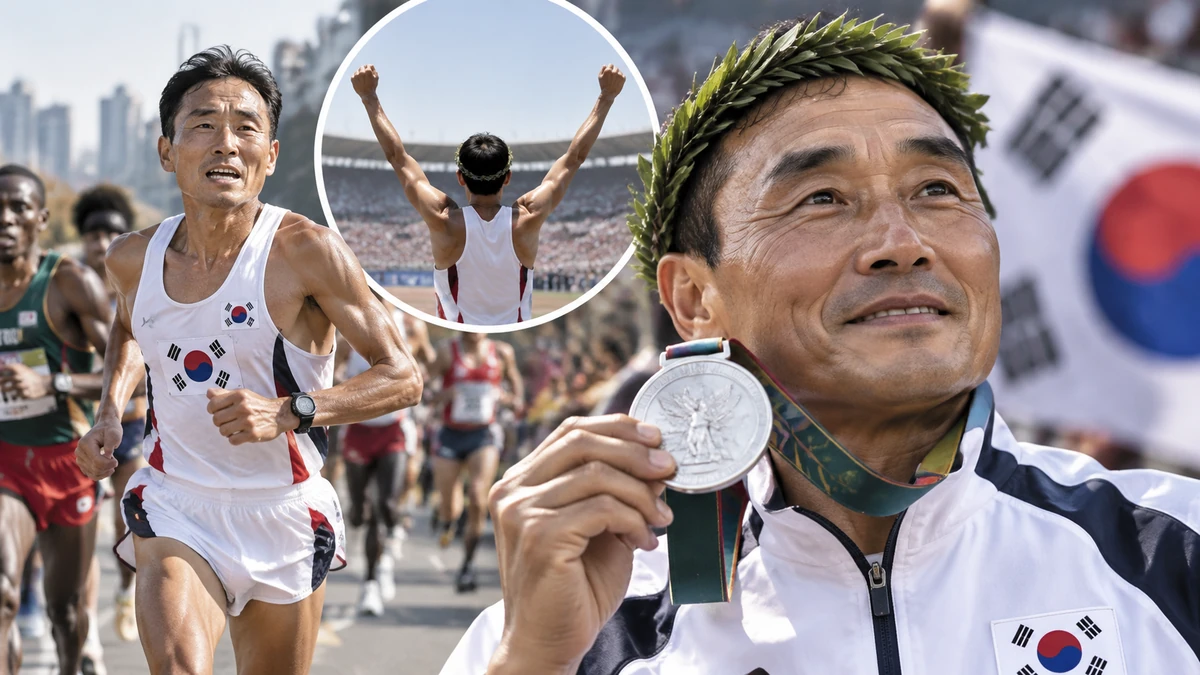
Lee Bong-ju is widely recognized as a defining figure in South Korean marathon history. He won the silver medal at the 1996 Atlanta Olympics, bringing international recognition to Korean distance running. Four years later, he set a national men’s marathon record at the 2000 Tokyo International Marathon with a time of 2 hours, 7 minutes and 20 seconds, a performance that remains a landmark achievement in Korean athletics.
Unlike sports stars in some countries whose fame is built primarily around commercial leagues, Korean Olympic athletes often become symbols of national achievement. Marathon runners, in particular, have traditionally represented endurance and determination because the sport requires extreme physical and mental commitment. Lee’s career connected with that cultural appreciation, making him a household name among Korean sports fans.
His success came during a period when South Korea was becoming increasingly visible on the international sports stage. Following major sporting moments such as the 1988 Seoul Olympics and Korea’s growing participation in global competitions, athletes like Lee helped strengthen the country’s image as a competitive force beyond traditional powerhouse sports.
A Career Built on International Competition and Long-Distance Endurance
Lee Bong-ju’s rise began in the early 1990s. He gained national attention after winning the marathon at the 1993 National Sports Festival, one of South Korea’s major domestic athletic competitions. From there, he continued developing as an elite runner and became a consistent presence at international events.
Over nearly two decades, Lee competed at the highest level of marathon racing. His achievements included victory at the 2001 Boston Marathon, one of the world’s most prestigious distance-running events, and a gold medal at the 2002 Asian Games. These accomplishments placed him among the most successful Korean marathon athletes of his generation.
Lee’s career statistics reflect his durability. He established two national records over a 19-year competitive period and completed 41 official marathons. His final race came at the 2009 National Sports Festival, where he completed his 41st marathon before officially ending his competitive career.
For American readers familiar with athletes such as Boston Marathon champions or Olympic distance runners, Lee’s career follows a similar path of international competition, national recognition and long-term influence. His significance, however, extends beyond medals and records. In Korea, athletes who represent the country in major global competitions often maintain a close relationship with fans long after retirement.
Why Lee Bong-ju Is Trending Again in South Korea
Interest in Lee Bong-ju has recently increased in South Korea because of renewed attention surrounding marathon-related events connected to his name. Search activity has included terms related to “Lee Bong-ju Marathon,” as well as questions about his current activities and personal life.
Some reports have discussed issues surrounding registration for a marathon event associated with his name, while others have highlighted his participation in marathon gatherings and community activities. However, available information from search results alone does not provide enough detail to confirm specific circumstances behind every report.
The continued public interest demonstrates how retired Korean athletes often remain part of national conversations. A sports figure’s legacy in South Korea frequently extends into community events, local festivals and public appearances. Former champions are not simply remembered for past performances; they often become mentors and cultural figures connected to the next generation of athletes.
Lee’s hometown connection also contributes to his lasting popularity. He was born in Cheonan, a city in South Korea’s Chungcheongnam-do province. The area has celebrated his achievements, including recognition connected to “Bongjuro,” a road named after him in the Seonggeo-eup area of Cheonan. Such local tributes are common in Korea, where hometown pride is closely tied to successful athletes, entertainers and public figures.
What Lee Bong-ju’s Legacy Means for the United States and Global Running Culture
Lee Bong-ju’s story also offers a window into the growing international exchange between Korean and American sports cultures. The United States has long been a major center for marathon running, with events such as the Boston Marathon and the New York City Marathon attracting athletes and fans from around the world. Korean runners, including Lee, have historically viewed these global competitions as important stages for international recognition.
Lee’s Boston Marathon victory in 2001 remains a meaningful connection between Korean athletics and American sporting traditions. The Boston Marathon is not only one of the oldest annual marathons in the world but also a cultural institution in the United States, known for its historic course and global participation. A Korean athlete winning that race strengthened the visibility of Korean distance running among American audiences.
Today, the relationship between the U.S. and Korean sports industries continues to expand through events, media coverage and fan communities. While Korean pop culture has become a major part of American entertainment consumption through K-pop, Korean films and television dramas, sports figures such as Lee Bong-ju represent an earlier generation of Korean global ambassadors.
For American running communities, Lee’s career reflects a broader trend: endurance sports increasingly connect athletes across borders. Local marathon clubs, international race participation and digital communities have made it easier for runners in different countries to share training methods, stories and inspiration. Korean marathon traditions and American running culture now exist within a much more connected global environment.
From Champion Athlete to Community Figure in Modern Korea
After retiring from professional competition, Lee Bong-ju continued appearing in public activities related to sports and entertainment. Like many famous Korean athletes, he transitioned from competition into a role focused on sharing experience and maintaining connections with fans.
Interest in searches such as “Lee Bong-ju illness” and “Lee Bong-ju current status” has also reflected public curiosity about his life after retirement. However, the widely available information focuses primarily on his continued participation in broadcasting and marathon-related events rather than providing a complete picture of every personal matter discussed online.
Lee’s continued visibility highlights an important feature of Korean celebrity culture: public figures often maintain relationships with audiences long after their peak careers. Retired athletes may appear at community events, encourage young competitors and represent values associated with their sporting journeys.
For younger Korean runners, Lee represents more than a record holder. He represents a period when Korean marathon running achieved international recognition and demonstrated that athletes from the country could compete successfully on the world stage.
Why Lee Bong-ju Remains Important in the History of Korean Sports
Lee Bong-ju’s career is remembered because it combined international success, consistency and symbolic importance. His Olympic medal, marathon victories and national records created a lasting place in Korean sports history.
While records are eventually challenged and surpassed, the cultural impact of an athlete often lasts much longer. Lee helped inspire interest in marathon running in South Korea and became part of the country’s broader story of athletic development.
For international audiences, including fans in the United States, his career provides insight into how sports heroes are created in Korea. Success is measured not only by championships but also by the ability to represent perseverance, national pride and connection with ordinary people.
As interest in marathon running continues worldwide, Lee Bong-ju remains a reminder that great athletes can become more than competitors. They can become symbols of a country’s ambition, resilience and place in global sports culture.
Comments
Post a Comment