Image to help understand the article
SEOUL — Legionella bacteria were detected in 11.1% of water samples collected from public-use facilities across Seoul through August, the city’s public health laboratory said.
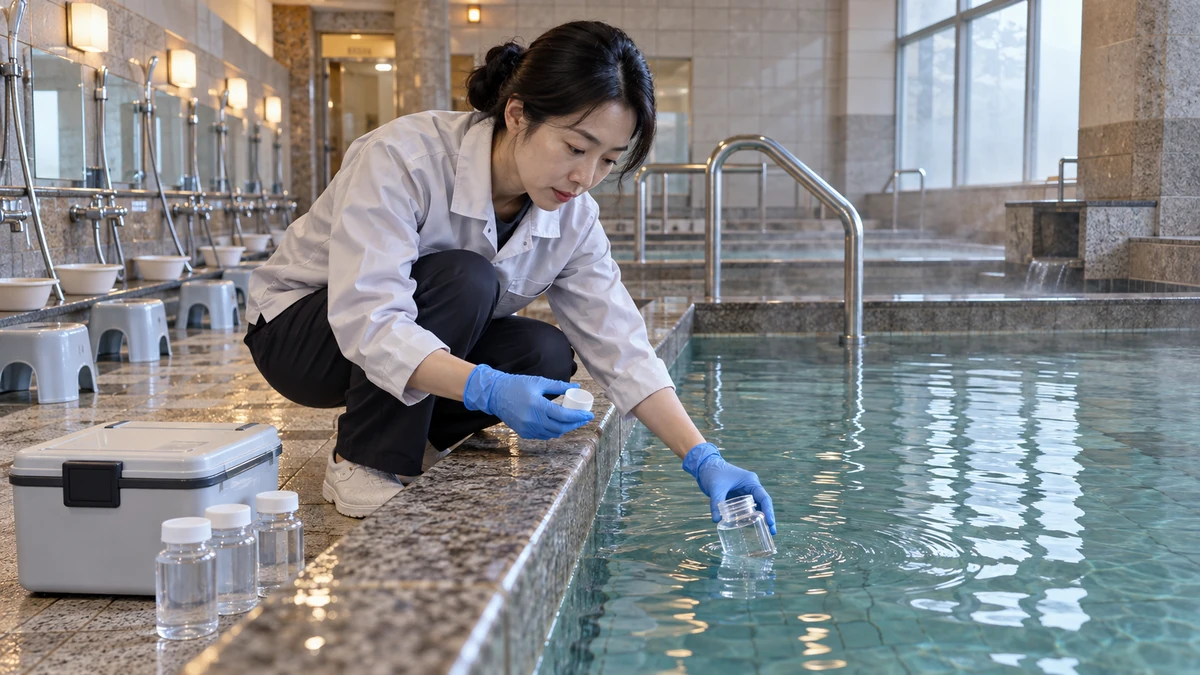
The Seoul Research Institute of Public Health and Environment said 246 of 2,214 samples tested positive. The samples came from locations including department stores, general hospitals, senior welfare centers, public bathhouses and jjimjilbangs, Korean sauna complexes that typically include communal baths and heated rooms.
Bathhouses Record the Most Positive Samples
Bathhouses and jjimjilbangs accounted for 162 positive samples, the largest total among the facility types tested. General hospitals recorded 34 positive samples, nursing centers six, and hotels and inns four. No positive samples were found at senior welfare facilities.
Measured by the share of samples testing positive, department stores and large shopping centers had the highest rate at 31.9%, followed by bathhouses and jjimjilbangs at 18.8% and large buildings at 15%. General hospitals, which underwent the most testing with 783 samples, had a detection rate of 4.3%.
How Legionella Spreads
Legionella thrives in warm, humid water between 77 and 113 degrees Fahrenheit and at a pH of 7.2 to 8.3. It can grow in places where water collects, including cooling towers, bathhouse tubs and household water pipes. People can become infected by inhaling tiny contaminated water droplets.
No person-to-person transmission has been reported. People with chronic lung disease, diabetes or high blood pressure, as well as smokers and those with weakened immune systems, face a higher risk of infection.
Early symptoms, including fever and coughing, can resemble a cold. Mild infections may cause Pontiac fever, while severe cases can develop into Legionnaires’ disease, a form of pneumonia that can be fatal.
Cases Rise After Pandemic-Era Decline
South Korea recorded fewer Legionnaires’ disease patients from 2020 through 2022 during the COVID-19 pandemic, but cases began rising again in 2023 and have continued to increase. As of Aug. 31, the country had reported 509 patients, including 140 Seoul residents, or 27.5% of the national total.
Facilities where the bacteria were detected were ordered to begin immediate cleaning and disinfection. City health officials said they would continue retesting those locations until their safety was confirmed.
Park Ju-sung, head of the Seoul research institute, said regular cleaning and disinfection are essential to preventing Legionella and pledged continued testing of affected facilities.
Comments
Post a Comment