Magnesium Supplements in Korea: What Americans Should Know About Benefits, Labels and Daily Intake Guidelines
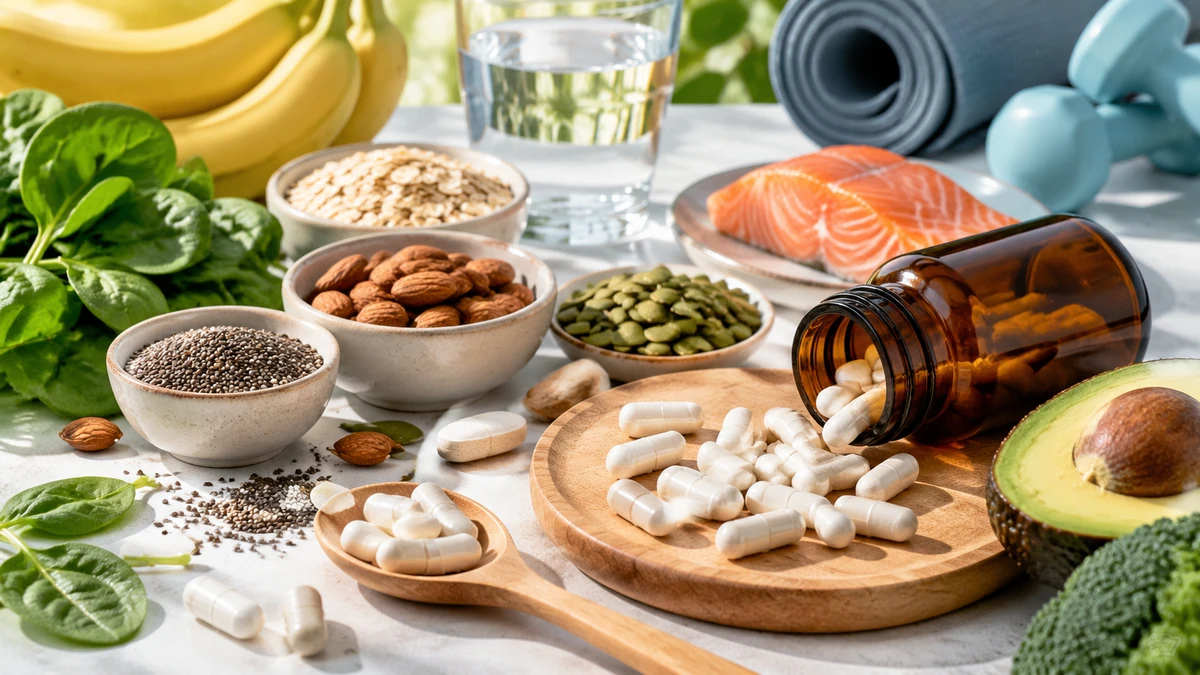
Image to help understand the article
Why Magnesium Supplements Are Drawing Attention in Korea
Magnesium has become a familiar name in South Korea’s growing health supplement market, where consumers increasingly look for products that support everyday wellness rather than only treating illness. From online shopping platforms to pharmacies and health-focused communities, magnesium products are often marketed as part of a broader lifestyle approach that includes nutrition, exercise and preventive care.
The Korean government classifies magnesium as a health functional food ingredient when it meets approved standards established by the Ministry of Food and Drug Safety (MFDS). This category is similar in concept to regulated dietary supplements in the United States, although the regulatory systems differ. In Korea, approved health functional foods must use recognized ingredients and can only make claims within the officially accepted range.
For magnesium, the approved functions are specific: it is recognized as being necessary for energy utilization and for maintaining normal nerve and muscle function. These statements do not mean magnesium products are medicines or treatments for medical conditions. Instead, they describe the role of the nutrient in normal body processes.
For American readers, the growing popularity of magnesium supplements in Korea reflects a global trend. Consumers in many countries are increasingly interested in nutritional products that fit into daily routines, especially those associated with energy, fitness and maintaining an active lifestyle.
What Is Magnesium and Where Does It Come From?
Magnesium is a chemical element with the symbol Mg. It belongs to the alkaline earth metals and is naturally found in forms such as magnesite and dolomite. It also exists in seawater as magnesium ions.
In industrial production, magnesium can be obtained from sources including magnesium chloride extracted from seawater or mineral resources. In the supplement industry, magnesium is used as a functional ingredient in products designed to provide a measured amount of the mineral.
Magnesium itself is not unique to supplements. It is naturally present in many foods, including nuts, seeds, whole grains, legumes and leafy green vegetables. However, supplements are commonly used by people who want a more convenient way to manage their daily nutrient intake.
Korean health information materials emphasize understanding what a supplement actually contains. Rather than focusing only on product names or marketing claims, consumers are encouraged to check the ingredient information, the amount of magnesium provided and whether the product’s advertised functions match officially recognized standards.
Korea’s Official Guidance: Approved Functions and Daily Intake Range
According to information from South Korea’s Ministry of Food and Drug Safety, the recognized functions of magnesium in health functional foods are limited to two areas: supporting energy utilization and helping maintain normal nerve and muscle function.
This distinction is important because supplement markets often contain broad advertising language. Consumers may see claims about relaxation, sleep, exercise performance or other wellness benefits. However, approved health functional food claims must remain within the range established by regulators.
The recommended daily intake range for magnesium as a recognized health functional food ingredient in Korea is 94.5 to 250 milligrams per day. Consumers are advised to follow the serving size listed on each product label because different supplements may contain different amounts of magnesium.
The Korean guidance also highlights the importance of checking total intake when using multiple supplements. A person taking a multivitamin, mineral product and a separate magnesium supplement may unintentionally consume overlapping ingredients. Reading labels carefully can help consumers understand how much magnesium they are actually taking.
How Korean Supplement Culture Compares With the United States
South Korea and the United States both have large and expanding supplement markets, but the way consumers approach these products can reflect different cultural habits. In Korea, health functional foods are often purchased through a combination of online platforms, pharmacies and specialized health retailers. Consumers frequently compare ingredient lists, certifications and government-recognized functions before buying.
In the United States, magnesium supplements are regulated under the dietary supplement framework overseen by the Food and Drug Administration (FDA). Like Korea’s system, U.S. regulations distinguish supplements from medicines. Manufacturers cannot market dietary supplements as treatments for diseases, and product labels are expected to provide accurate information about ingredients and usage.
The popularity of magnesium in both countries is connected to broader consumer interest in wellness. Americans have seen similar growth in categories such as protein powders, vitamins, probiotics and electrolyte products. Korean consumers have followed comparable trends, with increasing attention toward preventive health and personalized nutrition.
However, consumers in both markets face a similar challenge: separating evidence-based information from exaggerated marketing. A supplement can provide a nutrient that supports normal physiological functions, but it should not automatically be viewed as a replacement for medical care or a solution for every health concern.
What This Means for the U.S. Market and American Consumers
The Korean discussion around magnesium offers a useful comparison for the American supplement industry because both markets are experiencing a shift toward more informed purchasing decisions. Consumers are increasingly asking not only whether a product is popular, but also what the ingredient does, how much it contains and whether claims are supported by regulatory standards.
For U.S. consumers, Korea’s approach highlights the importance of looking beyond packaging. A supplement labeled with words such as "energy" or "muscle support" should still be evaluated through the actual ingredient amount and the regulatory context behind those claims.
The United States has a large wellness economy, with consumers ranging from athletes and fitness enthusiasts to people simply seeking convenient nutrition options. Magnesium products are particularly relevant in conversations around active lifestyles because the mineral is associated with normal nerve and muscle function. Still, the appropriate role of supplements depends on individual nutritional needs and overall health circumstances.
The connection between the U.S. and Korean markets is also visible through the increasing global exchange of health and beauty trends. Just as Korean skincare products have influenced American consumers, Korean approaches to wellness products and ingredient-focused shopping may continue to shape international supplement conversations.
At the same time, there is no single global supplement standard. American consumers should understand that Korean regulatory classifications and U.S. dietary supplement rules are separate systems. A product popular in one country may use different labeling practices or claims in another market.
Choosing a Magnesium Supplement: Questions Consumers Should Ask
When selecting a magnesium supplement, Korean health guidance emphasizes checking three basic points: whether the product contains an officially recognized functional ingredient, how much magnesium it provides and what the recommended daily serving is.
For American shoppers, the same principles can be useful. The front of a supplement bottle often highlights benefits, but the most important information is usually found on the Supplement Facts panel or ingredient label. Consumers should check the actual magnesium amount rather than relying only on the product name.
Different magnesium products may contain different forms of magnesium and different ingredient combinations. Consumers should compare labels carefully and consider their own dietary habits and nutritional goals.
It is also important to remember that supplements are not a substitute for a balanced diet. Foods naturally containing magnesium can contribute to overall nutrient intake, and dietary patterns remain a central part of maintaining health.
Common Questions About Magnesium Supplements
One common question is what magnesium does as a health functional food ingredient. In Korea, the officially recognized functions are that magnesium is necessary for energy utilization and for maintaining normal nerve and muscle function.
Another frequent question concerns daily intake. Korea’s recognized intake range for magnesium health functional foods is 94.5 to 250 milligrams per day. Consumers should follow the product label and avoid assuming that higher amounts are automatically better.
Many consumers also ask what they should check before purchasing a magnesium product. The answer is to review whether the product is properly labeled, examine the magnesium content and understand the recommended serving size.
For people with existing health conditions or those taking medications, consulting a healthcare professional before adding new supplements is a reasonable step. Individual nutritional needs can vary, and supplements should be considered as part of a broader health plan.
The Bigger Picture: A Global Shift Toward Informed Wellness
The conversation around magnesium in Korea reflects a larger international movement toward evidence-based wellness. Consumers are becoming more interested in understanding ingredients, regulatory standards and the difference between supporting normal body functions and treating disease.
For American audiences watching trends from South Korea, the lesson is not simply about one mineral supplement. It is about how consumers around the world are becoming more careful about what they put into their bodies. As health markets continue to expand, transparency and accurate labeling are likely to become increasingly important factors in purchasing decisions.
Magnesium remains one example of how a basic nutrient can become part of a much larger conversation about modern health, consumer education and the global exchange of wellness trends.
Comments
Post a Comment