South Korea’s President Lee Jae Myung Approves Appointment of First Supreme Court Justice Under His Administration
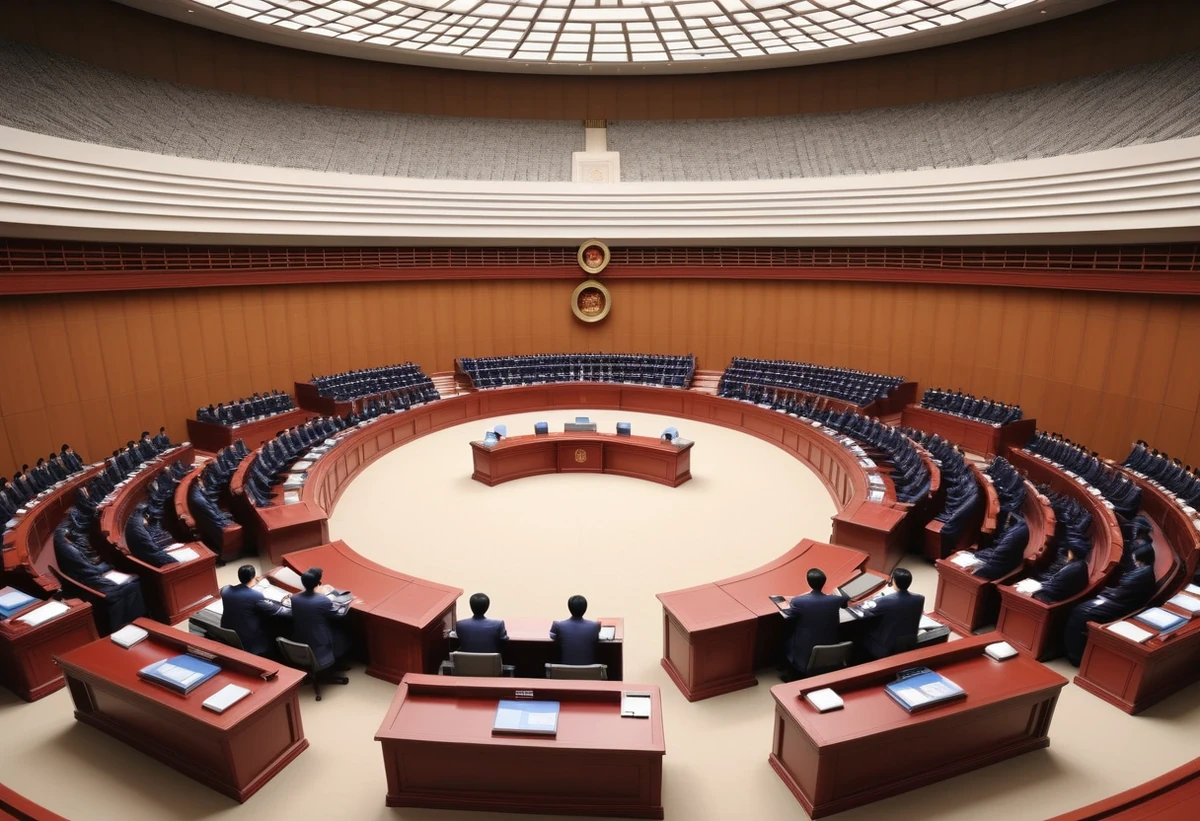
Image to help understand the article
Kim Sung-soo Takes Seat on South Korea’s Supreme Court
South Korean President Lee Jae Myung approved the appointment of Kim Sung-soo as a Supreme Court justice on Sept. 18, marking the first Supreme Court appointment since his administration began.
Kim, 57, graduated from the 24th class of South Korea’s Judicial Research and Training Institute. He succeeds former Justice Lee Heung-gu and joins the country’s highest court after completing the required appointment process.
Nomination, Hearing and Parliamentary Vote
The appointment process began when Supreme Court Chief Justice Cho Hee-dae nominated Kim on Aug. 18. South Korea’s National Assembly held a confirmation hearing for Kim on Sept. 14, and ruling and opposition parties agreed to adopt a review report on Sept. 16.
The report reflected different views from the major political parties. The ruling Democratic Party of Korea assessed Kim as qualified, while the opposition People Power Party considered him unsuitable for the position.
The National Assembly voted on the appointment consent motion on Sept. 17. With lawmakers from the People Power Party allowed to vote freely, the motion passed with 227 votes in favor, 28 against and 13 abstentions among 268 lawmakers present.
Dispute Remains Over Another Supreme Court Nominee
While Kim’s appointment has been approved, another Supreme Court nomination remains unresolved. President Lee has not yet approved the appointment of Son Bong-ki, a senior judge at the Daegu District Court, who was nominated to replace former Justice Noh Tae-ak.
The presidential office has asked the Supreme Court to submit a different nominee, saying Son was recommended without prior coordination with the president. The office reportedly wants the Supreme Court to reconsider the recommendation process by selecting a replacement from the existing list of candidates.
The Supreme Court, however, is reportedly of the view that the entire recommendation procedure should be restarted, including the formation of the recommendation committee.
Comments
Post a Comment