Three Korean Low-Sodium Recipes Show How Traditional Flavors Are Being Reimagined for Health-Conscious Diners
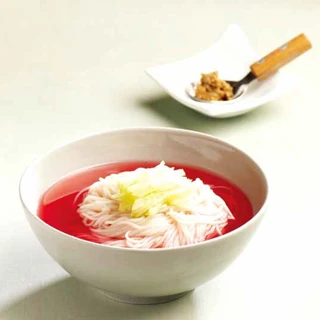
Image to help understand the article
Korean Cuisine Looks Beyond Salt With New Approaches to Everyday Meals
Korean food is often recognized around the world for bold flavors: fermented sauces, spicy seasonings, grilled meats, and richly seasoned side dishes known as banchan. But a quieter shift is taking place in South Korea’s food culture as consumers and public health organizations explore ways to maintain traditional tastes while reducing sodium and emphasizing balanced nutrition.
A recent collection of recipes from South Korea’s Ministry of Food and Drug Safety public recipe database highlights this trend through three dishes: Chilgok pomegranate noodles, black bean konjac noodles, and chicken breast broccoli dumplings. Rather than relying on heavy seasoning, these recipes use natural sweetness, nuts, vegetables, legumes and alternative ingredients to create satisfying meals with lighter nutritional profiles.
The idea reflects a broader movement seen in many countries, including the United States, where consumers are increasingly interested in high-protein meals, lower-sodium options and functional ingredients. In Korea, however, the challenge has a unique cultural background because many traditional dishes depend on ingredients such as soy sauce, fermented pastes and salted seafood for their distinctive flavors.
These recipes demonstrate how Korean cooks are experimenting with familiar formats while adjusting ingredients to meet modern dietary concerns.
Chilgok Pomegranate Noodles Combine Sweet and Savory Korean Flavors
Chilgok pomegranate noodles offer a creative variation on Korean noodle dishes by using pomegranate juice as the central flavor element. Instead of building taste primarily through salty seasonings, the recipe uses the fruit’s natural sweet and tart profile to create a refreshing dish.
The dish is prepared by boiling noodles and serving them with a chilled pomegranate-based sauce. Crushed pine nuts, almonds, sunflower seeds, walnuts and pumpkin seeds are added as toppings, bringing texture and a nutty aroma. Thinly sliced cucumber provides additional freshness.
For many American readers, the concept may resemble chilled summer pasta dishes or fruit-based salads, but Korean noodle dishes often have their own traditions of balancing contrasting flavors. Korean cuisine frequently combines sweet, sour, salty and savory elements in one meal, creating complexity without relying on a single dominant taste.
The recipe also emphasizes the use of nuts as part of a lower-sodium approach. According to the recipe information, nuts contain unsaturated fats and are associated with nutritional benefits related to cardiovascular health. The listed nutritional values for the dish are 73.4 calories, 12.7 grams of carbohydrates, 2.1 grams of protein, 1.6 grams of fat and 12.5 milligrams of sodium.
Pomegranate itself has also gained popularity internationally as a symbol of wellness and a versatile ingredient. In the United States, pomegranate juice and extracts have become common in health-focused food markets, making this Korean recipe approachable for American consumers interested in global flavors.
Black Bean Konjac Noodles Adapt Korean Comfort Food for Lighter Eating
The second recipe, black bean konjac noodles, takes inspiration from Korean dishes that use creamy bean-based sauces. Traditional Korean kongguksu, or cold soybean noodle soup, is a summer favorite made with a rich soybean broth served over noodles. The new recipe applies a similar concept while using konjac noodles as an alternative to conventional wheat noodles.
Konjac, a plant-based ingredient commonly used in East Asian cooking, is valued for its low-calorie characteristics and chewy texture. In recent years, konjac noodles have also appeared in American grocery stores as consumers search for alternatives to traditional pasta and noodles.
This recipe combines black beans, roasted black sesame seeds and walnuts to create a nutty bean sauce. Cucumber, tomato and boiled egg are added as toppings, providing color and additional nutrients. The dish reduces dependence on salty flavoring by highlighting the natural taste of beans and seeds.
The recipe information notes that black beans contain anthocyanin pigments, compounds responsible for their dark color. The nutritional information lists 54.3 calories, 4.9 grams of carbohydrates, 3.4 grams of protein, 2.4 grams of fat and 18.5 milligrams of sodium.
For international audiences, this dish represents an example of how Korean cuisine adapts traditional formats rather than abandoning them. Instead of replacing a familiar Korean experience, the recipe modifies the foundation to fit changing dietary preferences.
Chicken Breast Broccoli Dumplings Bring Protein Into a Familiar Korean Favorite
Dumplings, known as mandu in Korea, are one of the country’s most recognizable comfort foods. Similar to Chinese jiaozi, Japanese gyoza and various filled pastries found across global cuisines, Korean mandu can contain meat, vegetables or tofu and may be steamed, boiled or pan-fried.
The chicken breast broccoli dumpling recipe introduces a lighter interpretation by using lean chicken breast, broccoli, bean sprouts and shiitake mushrooms as the filling. The ingredients are finely chopped and combined with sesame oil, low-sodium soy sauce, salt and pepper before being wrapped in dumpling skins and steamed.
A key feature of this recipe is reducing the need for additional dipping sauces. Many dumplings around the world are served with salty sauces that can significantly increase sodium intake. This Korean version focuses on seasoning the filling itself with a smaller amount of low-sodium soy sauce.
Broccoli is highlighted as an ingredient containing potassium, which is commonly associated with helping the body maintain electrolyte balance. The nutritional information for the dumplings lists 123.2 calories, 19 grams of carbohydrates, 8.4 grams of protein, 1.5 grams of fat and 167.9 milligrams of sodium.
The dish also reflects a global trend toward protein-focused meals. In the United States, chicken-based meal preparation has become popular among fitness communities and consumers seeking convenient, nutrient-focused food options. Korean mandu provides another cultural format for incorporating lean protein and vegetables.
What These Korean Recipes Mean for American Consumers and Food Culture
The United States has seen growing interest in international cuisine, particularly Korean food. The popularity of Korean barbecue, kimchi, Korean fried chicken and Korean-inspired packaged foods has expanded significantly in recent years. At the same time, American consumers have become more focused on nutrition labels, sodium levels and ingredient transparency.
These Korean low-sodium recipes fit into that intersection between cultural exploration and health awareness. They show that Korean cuisine is not limited to strongly seasoned dishes often introduced to international audiences. Like American cooking traditions, Korean food contains a wide range of regional and everyday meals that can evolve with changing lifestyles.
For Korean food companies and restaurants operating in the U.S. market, lighter and health-conscious menu options could provide another way to introduce Korean flavors to consumers who may be unfamiliar with the cuisine. The recipes also reflect a broader connection between Korean and American food industries, where traditional dishes are increasingly adapted for global audiences.
However, there is no indication that these specific recipes are part of a commercial expansion into the United States. Their significance is cultural: they illustrate how Korean food authorities are promoting healthier interpretations of familiar foods while maintaining connections to traditional cooking methods.
A Broader Trend: Tradition Meets Modern Nutrition in Korean Cooking
The three recipes represent a larger transformation occurring across Korean food culture. South Korea, like many developed economies, is experiencing changes in consumer priorities. Younger generations, busy urban workers and health-conscious households are looking for meals that are convenient, flavorful and nutritionally balanced.
Rather than viewing traditional cuisine as fixed, Korean culinary culture has often adapted through new ingredients and preparation methods. Modern versions of classic dishes appear in restaurants, home kitchens and public nutrition programs, creating a bridge between heritage and contemporary lifestyles.
For international audiences, these recipes offer a different perspective on Korean cuisine. The Korean Wave, or Hallyu, has introduced global fans to Korean entertainment, fashion and food. As interest in Korean culture continues, everyday dishes that emphasize balance and creativity may become as important as famous Korean dishes already recognized worldwide.
Chilgok pomegranate noodles, black bean konjac noodles and chicken breast broccoli mandu are not simply healthier alternatives. They represent an ongoing conversation about how food traditions can respond to modern health concerns while preserving the flavors and identities that make them meaningful.
Comments
Post a Comment