Image to help understand the article
A Familiar Medicine in a Distinctly Korean Format
For American parents, acetaminophen is among the most familiar medicines in the household cabinet. Sold widely under the Tylenol brand and in generic versions, it is commonly used to reduce fever and relieve pain. In South Korea, the same active ingredient is available in Children’s Tylenol Powder 160 Milligrams, an over-the-counter product sold by Kenvue Korea.
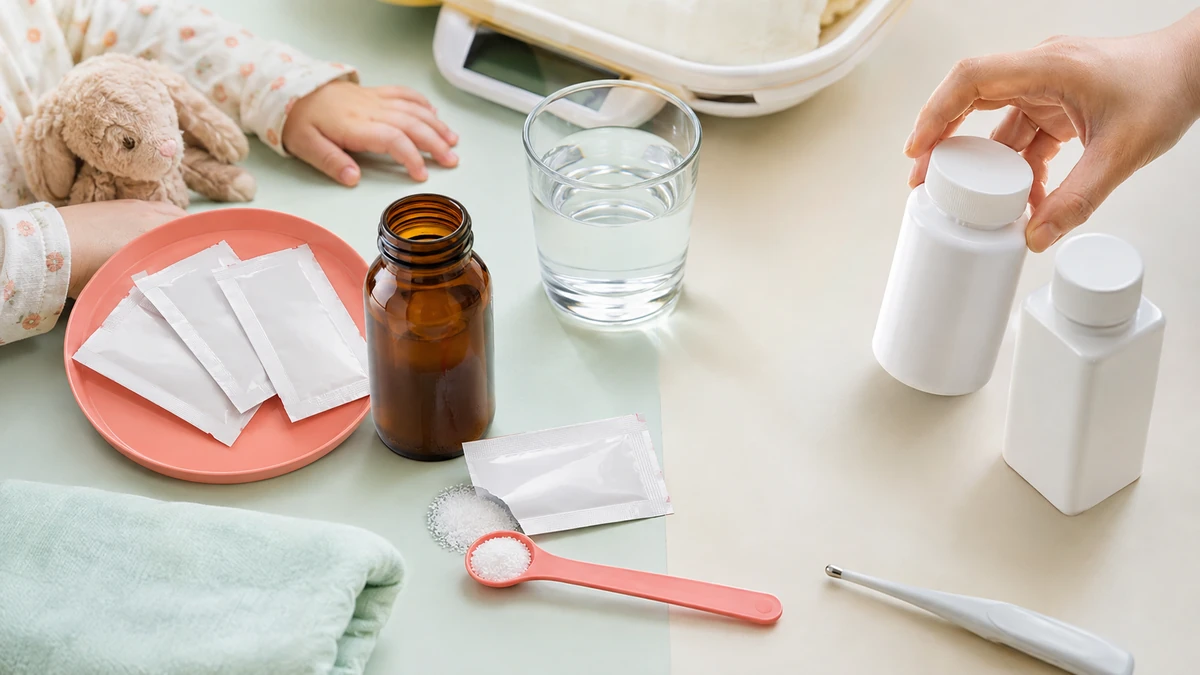
The Korean product is intended for children ages 7 to 12 and is used for fever and pain associated with colds, as well as headaches, muscle pain, toothaches, menstrual cramps, sprain pain, joint pain and certain forms of nerve or rheumatic pain. Unlike a conventional tablet or liquid medicine, the powder is placed directly on the tongue and taken without water, according to the Korean product information summarized from public data maintained by South Korea’s Ministry of Food and Drug Safety.
That delivery method may stand out to American consumers, who are more accustomed to children’s acetaminophen as a flavored liquid, chewable tablet or dissolvable product. But the central safety problem is the same on both sides of the Pacific: Acetaminophen is effective when used correctly, yet taking too much can cause severe liver injury.
The Korean guidance reflects a broader shift in consumer health communication. Regulators and drugmakers are no longer treating an over-the-counter label as a simple list of symptoms and doses. They are emphasizing ingredient awareness, weight-based pediatric dosing, interactions with other medicines and clear limits on how long families should manage a persistent fever or pain without seeking professional help.
Why Weight Matters More Than Age
For children ages 7 to 12, the Korean instructions say the recommended single dose may be taken as needed every four to six hours. The precise amount for each age group must be checked in the product’s authorized labeling. When a child’s weight is known, however, the guidance says dosing by weight is more appropriate than relying on age alone.
The recommended range is 10 to 15 milligrams of acetaminophen per kilogram of body weight for each dose. That principle will be familiar to American pediatricians and pharmacists. Two 9-year-olds can differ substantially in size, and an age category cannot capture that variation as accurately as a recent weight measurement.
For Americans accustomed to pounds, the conversion itself can create another opportunity for error. A kilogram is about 2.2 pounds, but parents should not improvise a dose from a rough mental calculation. The safer approach is to use the dosing chart and measuring system supplied with the specific product and to consult a pediatrician or pharmacist when the appropriate amount is unclear. Product concentrations and formulations can differ, particularly between countries.
The Korean information sets several limits. It advises using the lowest effective dose for the shortest possible period and not exceeding five doses or 75 milligrams per kilogram in a day. It also cites 4,000 milligrams as the maximum total daily amount of acetaminophen. That figure is an absolute ingredient-wide ceiling, not a suggested pediatric dose. For a child, the lower weight-based limit governs and may be far below 4,000 milligrams.
The duration of use also matters. Without instructions from a physician or pharmacist, the medicine should not be used for a child’s pain for more than five days or for fever for more than three days. Adults using acetaminophen for pain are advised not to continue beyond 10 days without professional guidance. If symptoms persist, worsen or are joined by new symptoms, the Korean labeling directs consumers to stop self-treatment and speak with a medical professional.
Those time limits are not merely administrative. A fever can be part of the body’s response to infection, while ongoing pain can point to a condition requiring diagnosis. Reducing a temperature or easing discomfort may help a child feel better, but it does not identify or treat the underlying cause.
The Hidden Risk of Taking the Same Ingredient Twice
The most important warning may also be the easiest to overlook: Do not combine this product with another medicine containing acetaminophen. A parent may recognize the Tylenol name but fail to notice acetaminophen in a multi-symptom cold medicine, prescription pain reliever or differently branded fever reducer.
This is a significant issue in the United States as well. American pharmacy shelves offer a wide range of products for fever, headache, cough, congestion and nighttime cold symptoms. Brand names and package colors often receive more attention than the active-ingredient panel. A consumer may believe two products serve different purposes even though both contribute acetaminophen to the daily total.
The terminology can add to the confusion for travelers and internationally mobile families. The United States generally uses the name acetaminophen, while many other countries call the same drug paracetamol. Korean packaging may include Korean text alongside ingredient terminology that is unfamiliar to an English-speaking visitor. Whatever the brand or language, consumers need to identify the active ingredient before combining medicines.
The Korean guidance also warns people who regularly drink three or more alcoholic beverages a day to consult a doctor or pharmacist before taking acetaminophen or another fever and pain medicine because of the potential for liver injury. It identifies additional concerns involving barbiturates, tricyclic antidepressants, alcohol and other anti-inflammatory pain medicines. People taking warfarin, an anticoagulant, or flucloxacillin, an antibiotic used in some countries, are told to seek professional advice before using the product.
These cautions underscore why over-the-counter status should not be confused with universal safety. A medicine can be purchased without a prescription and still interact with prescription drugs, chronic medical conditions or another product bought at the same pharmacy.
Who Should Avoid It or Seek Advice First
According to the Korean product information, the medicine should not be used by people with a known hypersensitivity to its ingredients, peptic ulcers, severe blood disorders or severe liver disease. It is also listed as unsuitable for patients with severe kidney impairment or severe heart dysfunction. People with aspirin-induced asthma or a history of asthma attacks linked to nonsteroidal anti-inflammatory drugs are also directed not to take it.
Other groups are advised to consult a doctor or pharmacist before use. They include people with current or past liver or kidney problems, peptic ulcers, blood disorders, bleeding tendencies, heart dysfunction, previous hypersensitivity reactions or bronchial asthma. Older adults, pregnant or breastfeeding patients, children younger than 2 and people whose glutathione reserves may be depleted are also named as groups requiring professional guidance.
Some of those warnings may differ in wording or scope from the labeling Americans see on domestic acetaminophen products. Drug approvals, required warnings and available formulations vary by country. An American family visiting Korea should therefore follow the Korean package for the product purchased there rather than assuming that directions from a U.S. bottle automatically apply. Conversely, Korean consumers in the United States should use the label on the American product in hand.
This distinction is particularly important for pediatric medicines. A package marked 160 milligrams may refer to the amount in a packet, tablet, chewable unit or specified volume of liquid. The number alone does not tell a caregiver how much to give. The dosage form, concentration, child’s weight and authorized directions all matter.
Rare Reactions That Require Immediate Attention
Most public discussion of acetaminophen focuses on overdose and liver damage, but the Korean information also describes rare, potentially fatal skin reactions. These include acute generalized exanthematous pustulosis, Stevens-Johnson syndrome and toxic epidermal necrolysis. Consumers are instructed to stop taking the medicine immediately if a rash or other sign of hypersensitivity appears.
The listed adverse reactions also include shock or severe allergic symptoms such as difficulty breathing, widespread redness, swelling beneath the skin, hives, facial swelling, sweating and low blood pressure. Asthma attacks and cyanosis, a bluish discoloration that can signal inadequate oxygen, are also identified. Such symptoms require urgent medical attention rather than another dose or a wait-and-see approach.
Blood-related reactions listed in the Korean data include low platelet or granulocyte counts, hemolytic anemia, methemoglobinemia, reduced platelet function and prolonged bleeding time. Nausea, vomiting and loss of appetite can occur. Long-term use has been associated with gastrointestinal bleeding, ulcers or perforation, while laboratory testing may show elevated AST or ALT, enzymes commonly used to assess possible liver injury.
These complications are uncommon, but including them in consumer-facing information serves a practical purpose. Parents need to distinguish routine discomfort from warning signs that call for immediate action. A mild fever may be managed at home in many cases; breathing difficulty, facial swelling, a spreading rash, unusual bleeding or a child who appears seriously ill should not be treated as an ordinary medication side effect.
What This Means for the United States
For the American market, the Korean guidance offers less a lesson about one product than a reminder about a persistent weakness in the way over-the-counter drugs are used. Consumers often shop by brand and symptom rather than by active ingredient. That habit becomes risky when a single ingredient appears across several categories, including standalone fever reducers and combination cold remedies.
The issue also illustrates how global consumer brands must operate across different regulatory systems. Kenvue, the consumer health company associated with Tylenol, sells products in markets where language, dosage forms and labeling requirements vary. A familiar logo can create a sense that the medicine is identical everywhere, even when the formulation or directions are not. American travelers, military families, expatriates and tourists visiting South Korea should check the local label and ask a pharmacist when necessary.
South Korea’s pharmacy culture provides another useful point of comparison. Pharmacies are widespread, and pharmacists often serve as an accessible first stop for questions about common symptoms and nonprescription medicines. American consumers also have access to pharmacists, but many do not routinely seek their advice when buying an over-the-counter product. The Korean instructions repeatedly directing patients to a doctor or pharmacist reflect the role those professionals can play in preventing dosing errors and harmful combinations.
There is also a broader U.S.-Korea connection in consumer health. Commercial ties between the two countries extend well beyond automobiles, semiconductors and entertainment. American health brands operate in Korea, while Korean consumers encounter many of the same global products Americans use at home. As travel, online shopping and cross-border media exposure grow, consumers may see foreign packaging or advice circulating on social platforms without understanding that regulatory instructions are market-specific.
For U.S. companies, the challenge is to make active-ingredient information as visible and understandable as branding. Clear translations, consistent warnings and weight-based dosing tools can reduce preventable mistakes. For American audiences, the practical takeaway is equally direct: Read the Drug Facts panel, count acetaminophen from every product being used and never assume that a medicine sold under a familiar name has the same instructions abroad.
A Trend Toward More Precise Self-Care
The Korean notice is part of a larger movement toward more precise self-medication. Consumers are being asked to know a child’s current weight, understand milligrams per kilogram, track the timing and number of doses, identify active ingredients and recognize when symptoms exceed the limits of home care.
That is a more demanding model than the traditional idea of simply giving a child a fever reducer at a certain age. It reflects the reality that safe medication use depends on several variables at once. The product must be appropriate for the patient, the dose must match the formulation and body weight, the dosing interval must be observed, and other medicines must be checked for duplicate ingredients.
What comes next will likely involve better packaging and digital tools, but technology cannot replace basic caution. A dosing app or online chart is useful only if the user selects the correct formulation and enters an accurate weight. Online advice can also travel without context, particularly when a screenshot of Korean instructions is shared with an American audience or vice versa.
Regulators, drugmakers and pharmacies therefore face a communication challenge shared across borders: They must make the safest choice the easiest one. That means emphasizing the generic ingredient, not only the brand; distinguishing pediatric limits from adult maximums; and telling consumers clearly when to stop self-treatment.
The Bottom Line for Families
Children’s Tylenol Powder 160 Milligrams is a Korean acetaminophen product for fever and pain in children ages 7 to 12. It is taken directly on the tongue without water, and the authorized product label should be consulted for the exact age-based amount. When weight is known, the Korean guidance favors a single dose of 10 to 15 milligrams per kilogram every four to six hours as needed, without exceeding five doses or 75 milligrams per kilogram in a day.
Families should not combine it with any other acetaminophen-containing product. They should stop use and seek professional guidance if fever lasts more than three days, pain continues beyond the stated limit, symptoms worsen or new symptoms appear. A rash, breathing difficulty, facial swelling or another sign of a serious reaction requires prompt medical attention.
The medicine should be stored at room temperature and kept where children cannot reach or take it without supervision. As with any pediatric drug, caregivers should verify the product, concentration and dose each time rather than relying on memory.
The larger message applies in Seoul, Los Angeles and everywhere in between: Familiarity is not a substitute for careful dosing. Acetaminophen remains a widely used option for fever and pain, but its safety depends on treating the label as essential information, not fine print. This article is general information based on South Korean public drug data and does not replace advice from a physician, pediatrician or pharmacist.
Comments
Post a Comment