Image to help understand the article
Brazil election heads to a two-man showdown
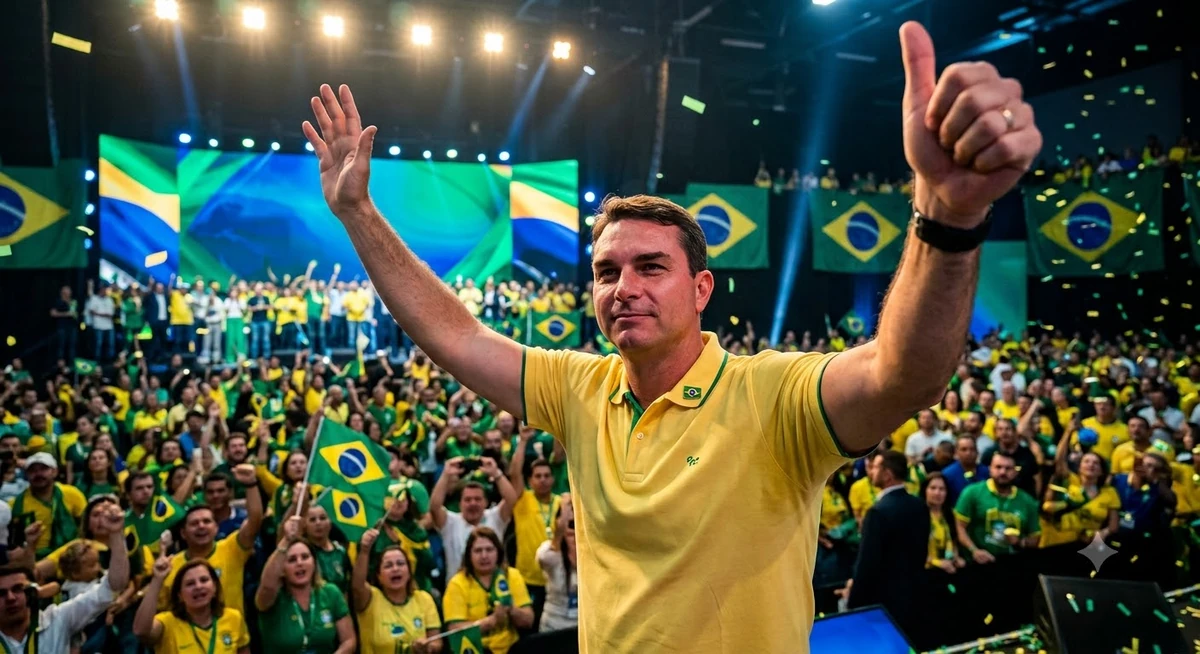
Brazil’s presidential election is heading to a runoff after right-wing candidate Flávio Bolsonaro won the first round with 47.03% of the vote, finishing ahead of incumbent President Luiz Inácio Lula da Silva, who received 45.16%.
With neither candidate securing more than 50% of the vote, Brazil’s election rules require the top two candidates to face each other again. The runoff is scheduled for Oct. 25, three weeks after the first round. Nearly all ballots had been counted, with the vote tally reaching 99.99%.
Thirteen candidates competed in the first round, but no other candidate received more than 3% of the vote. The result overturned pre-election polling that had generally predicted Lula would finish first.
Regional divide shaped the first-round result
Bolsonaro maintained the lead from the start of the count, helped by early results from major urban areas such as São Paulo and Rio de Janeiro, where he had stronger support. Lula performed better in rural areas and in Brazil’s northeast, a traditional base of support for the leftist leader.
Bolsonaro led across much of the southeast, central regions and several other areas during the count. At one point, his advantage grew to about 10 percentage points before Lula narrowed the gap with strong support in the northeast. However, Lula never moved into first place during the count.
Cost of living and dissatisfaction with government drive campaign battle
Bolsonaro made the cost of living a central issue in his campaign, highlighting fiscal discipline, spending cuts and improved relations with the Donald Trump administration in the United States.
Lula’s weaker-than-expected performance has been linked to voter frustration over high prices, rising household debt, expanding fiscal deficits and concerns about public safety. Analysts said Bolsonaro’s surprise first-place finish may reflect opposition to Lula’s government rather than broad enthusiasm for Bolsonaro himself.
Under Lula’s latest presidency, Brazil saw declines in inequality and unemployment, but many voters remain concerned about everyday economic pressures and crime. Analysts said dissatisfaction among voters helped Bolsonaro exceed expectations.
A family name with a complicated political history
Flávio Bolsonaro is the son of former President Jair Bolsonaro, who lost the 2022 election to Lula and was later convicted over allegations related to a coup plot.
Flávio Bolsonaro began his political career while studying law. He was elected to the Rio de Janeiro state legislature at age 21, served there for 16 years and later became a senator in 2018. During seven years in the Senate, he introduced 62 bills, but none became law.
A close runoff is expected
The runoff campaign is expected to deepen Brazil’s political divide. Recent polling has shown the two candidates trading leads, suggesting the final result could be decided by a very narrow margin.
The runoff will be a fresh vote between the two finalists rather than a simple addition of first-round totals. Candidates who finished outside the top two received about 8% of the vote combined, and analysts believe many of those voters may lean toward Bolsonaro. Lula’s path back to the lead could depend on winning over people who did not vote or cast invalid ballots. About 20% of Brazilian voters did not participate in the first round.
Brazilian political scientist Jesús Maje said the runoff would likely be extremely competitive, with the final outcome potentially decided by a very small difference in votes.
Comments
Post a Comment