Image to help understand the article
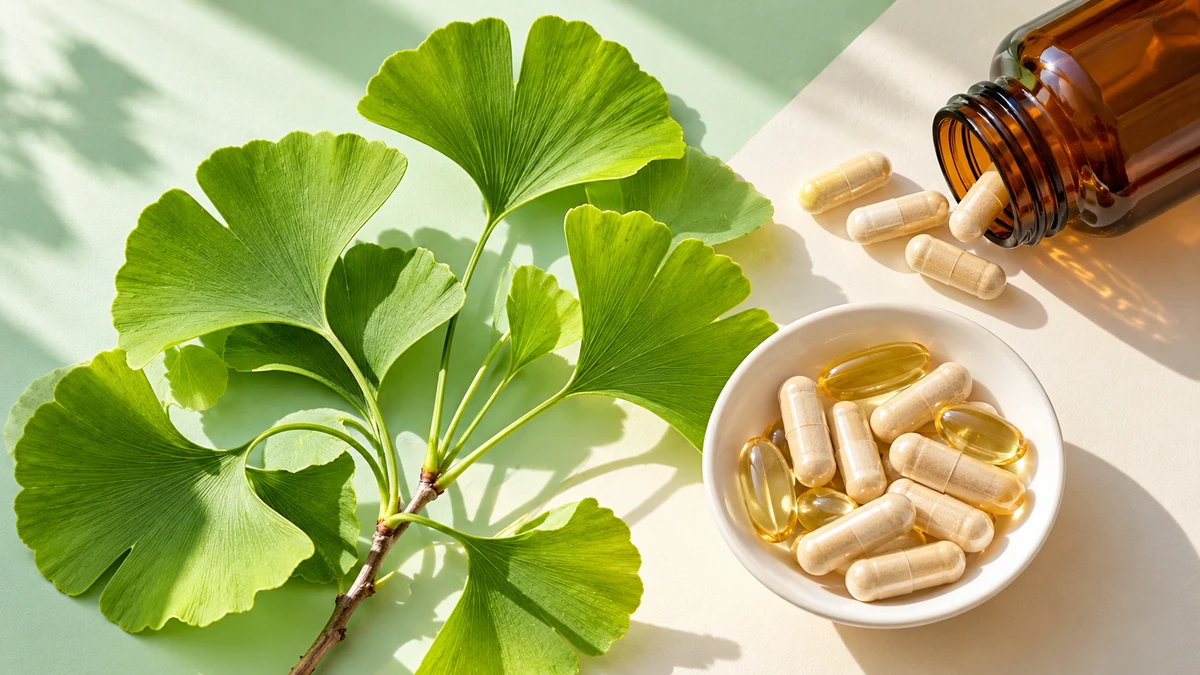
Ginkgo supplements are made from the leaves of the ginkgo tree, not from its fruit or seeds. South Korea’s Ministry of Food and Drug Safety, the country’s equivalent of the U.S. Food and Drug Administration, recognizes standardized ginkgo leaf extract as a health supplement ingredient that may help support memory and blood circulation.
The ginkgo tree, or Ginkgo biloba, is native to East Asia and is the only surviving species of an ancient group of trees that predates the dinosaurs. Its leaves contain several compounds, including flavonoid glycosides and terpene lactones. The main active components in health supplements are flavonol glycosides.
Why Standardization Matters
Standardized extracts are manufactured to keep key compounds at consistent levels. One widely used formulation, EGb 761, contains 24% flavonoid glycosides and 6% terpene lactones.
Ginkgo leaves also contain ginkgolic acid, which has been associated with liver damage. Manufacturers of standardized extracts control production so that little of the compound remains. Ginkgo leaf powders, by comparison, may contain lower and less consistent amounts of active ingredients.
Products sold in South Korea include tablets, liquids and combination supplements containing ingredients such as phosphatidylserine. The Korean food safety ministry sets a daily intake of 28 to 36 milligrams of flavonol glycosides for health supplements. Approved doses for over-the-counter medicines are higher, at 120 to 160 milligrams a day.
Bleeding and Medication Risks
Ginkgo extract can inhibit platelets from clumping together. Taking it with the anticoagulant warfarin or antiplatelet drugs such as aspirin and clopidogrel may increase the risk of bleeding. Children and people who are pregnant or breastfeeding should avoid the supplement, according to Korean guidance. People with liver disease, those taking medications and anyone preparing for or recovering from surgery should consult a health professional.
Commonly reported side effects include dizziness, digestive symptoms and headaches, according to the U.S. National Center for Complementary and Integrative Health. Use during pregnancy may increase the risk of premature labor or bleeding during delivery, while there is not enough evidence to establish its safety during breastfeeding.
Guidance for U.S. Patients
The American Society of Anesthesiologists recommends stopping herbal medications, including ginkgo products, two to three weeks before elective surgery. Patients should tell their doctors about herbal supplements along with prescription and over-the-counter medicines.
Ginkgo seeds should not be treated as a substitute for leaf extract. Fresh and roasted seeds can be toxic, and serious reactions have been reported. One case involved seizures after a person ate 70 to 80 seeds. The toxins can cause poisoning symptoms, including seizures, when consumed in large amounts and pose a particular danger to children.
Ginkgo health supplements are not medicines. Anyone with a medical condition, taking medication or experiencing an adverse reaction should stop use and seek advice from a qualified health professional.
Comments
Post a Comment