Japan’s Prime Minister Sends Offering to Yasukuni Shrine, Drawing Rebukes From South Korea and China
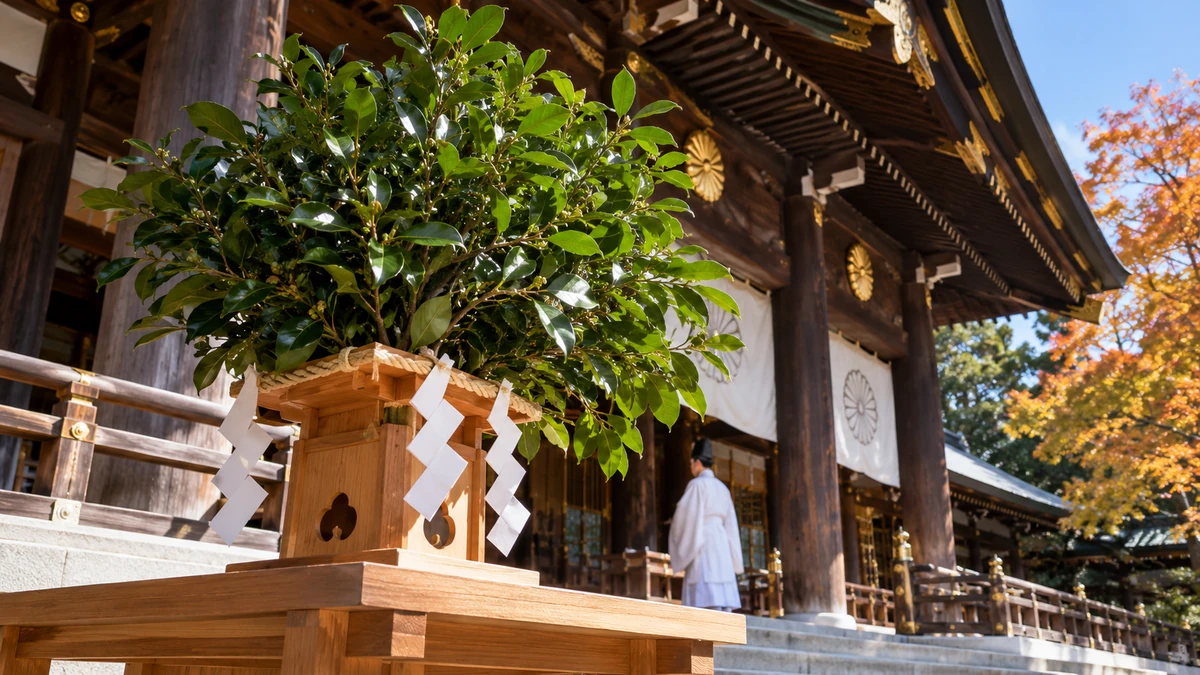
Image to help understand the article
Takaichi avoids an in-person visit
Japanese Prime Minister Sanae Takaichi sent a ritual offering to Tokyo’s Yasukuni Shrine for its three-day autumn festival, prompting criticism from South Korea and China over the site’s association with Japan’s wartime past.
Takaichi presented a masakaki, a potted evergreen used as an altar offering, under her official title as prime minister. An official close to her said she did not plan to visit the shrine during the festival, a decision widely interpreted as an effort to avoid further diplomatic friction with Seoul and Beijing. Her aides declined to say whether she had worshipped from a distance.
Yasukuni honors about 2.47 million people who died in Japanese civil conflicts and wars beginning around the Meiji Restoration. Nearly 90% are connected to the Pacific theater of World War II. The shrine also enshrines 14 Class A war criminals, including wartime Prime Minister Hideki Tojo, making visits and offerings by senior Japanese officials a recurring source of tension with countries that suffered under Japanese colonial rule and military aggression.
China condemns the offering
The Chinese Embassy in Japan said it strongly condemned what it called negative developments involving Yasukuni. In a social media statement, an embassy spokesperson described the shrine as a symbol and ideological instrument of Japanese militarism.
The spokesperson accused Japan’s governing forces of honoring the shrine to rehabilitate war criminals, obscure wartime responsibility and accelerate the country’s remilitarization. The statement called the offering an affront to historical justice and a challenge to the postwar international order.
China urged Japan to reflect seriously on its history of aggression, act cautiously on issues involving Yasukuni and make a complete break with militarism. Beijing has already increased pressure on Japan after Takaichi, who is widely characterized as a right-wing and anti-China politician, suggested shortly after taking office that Japan could intervene in a Taiwan contingency. China responded with measures including warnings against travel and study in Japan, a renewed ban on Japanese seafood imports and restrictions on rare-earth exports.
South Korea expresses regret
South Korea’s Foreign Ministry also expressed “deep disappointment and regret” over offerings and visits by Takaichi and other senior Japanese figures.
The ministry said Yasukuni glorifies Japan’s past wars of aggression and enshrines war criminals. It urged responsible Japanese leaders to face history and demonstrate sincere reflection through their actions, calling that an essential foundation for a future-oriented relationship built on trust between the two countries and their people.
Ministers and lawmakers join observances
Economic revitalization minister Minoru Kiuchi visited the shrine and paid for a tamagushiryo, another type of ritual offering, with his own money. Liberal Democratic Party policy chief Takayuki Kobayashi also visited, while the speakers of both houses of parliament and Health, Labor and Welfare Minister Kenichiro Ueno sent offerings. A cross-party group of lawmakers was expected to make a collective visit on the festival’s final day.
Takaichi regularly visited Yasukuni during its spring and autumn festivals and on Aug. 15, the anniversary of Japan’s World War II surrender, while serving as a Cabinet minister. She began avoiding in-person visits shortly before becoming prime minister, instead sending offerings.
On Aug. 15 this year, she paid privately for an offering through an LDP official and performed a distant worship ritual from a parking area at Tokyo’s Nippon Budokan, bowing toward the shrine and clapping her hands.
No sitting Japanese prime minister has visited Yasukuni since Shinzo Abe went in December 2013. Former prime ministers Fumio Kishida and Shigeru Ishiba also sent offerings rather than visiting while in office.
Comments
Post a Comment