Image to help understand the article
Japan backs ICC after U.S. sanctions
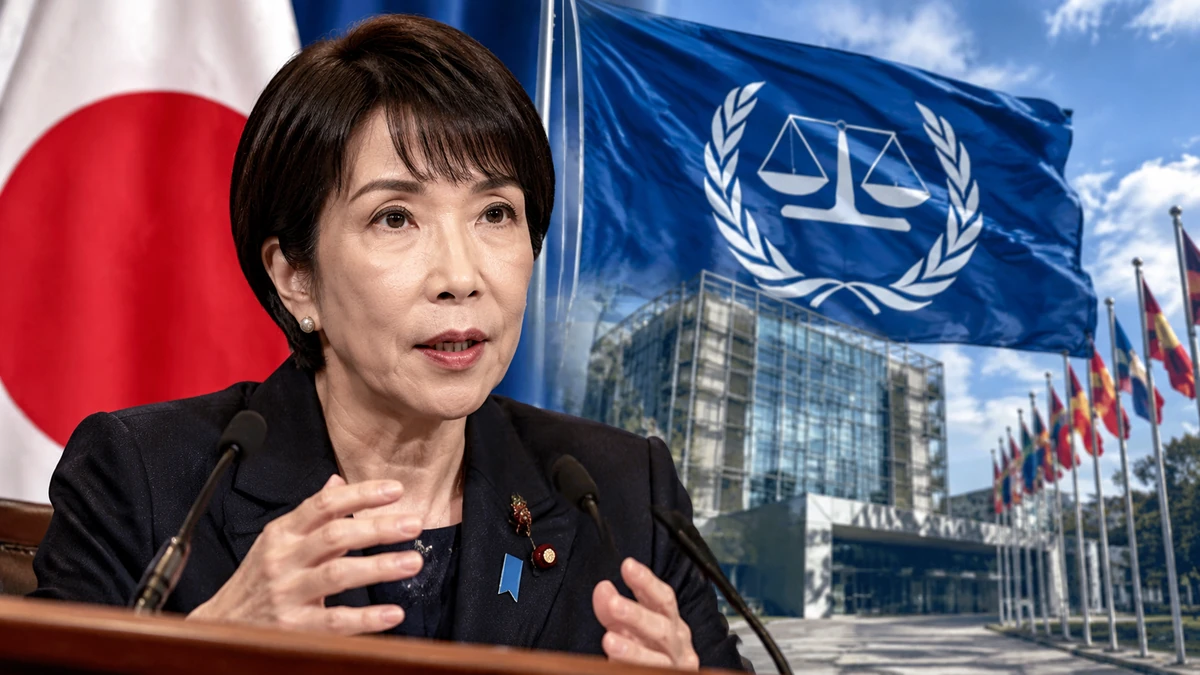
Japanese Prime Minister Sanae Takaichi said she has “deep concern” over sanctions imposed by the Trump administration on the International Criminal Court, saying Japan will continue supporting the court’s role and functions.
In a post on X, formerly known as Twitter, Takaichi said Japan consistently values the rule of law in the international community and supports the ICC. She added that the U.S. measures do not align with Japan’s position and that Tokyo would continue expressing its views to Washington.
Takaichi also said Japanese Foreign Minister Toshimitsu Motegi and U.S. Secretary of State Marco Rubio would maintain close communication on the issue, while Japan would continue discussions with ICC President Tomoko Akane and other countries involved.
Dispute follows U.S. action against ICC officials
The statement came after the United States imposed sanctions on ICC officials, including Akane, a Japanese national who leads the court. The ICC was established in 2002 under the Rome Statute to prosecute individuals accused of crimes including war crimes, genocide and crimes against humanity. Japan and South Korea are among the countries that are parties to the Rome Statute, while the United States is not a member of the court.
The Japanese government had previously faced criticism from opposition parties and media outlets for what they described as a cautious response to the U.S. sanctions. Takaichi’s latest statement came more quickly and expressed a stronger position than her earlier remarks.
Japan’s deputy chief cabinet secretary, Masanao Ozaki, also criticized Russia’s actions against ICC officials, calling measures targeting individuals connected to the court unacceptable and saying Tokyo would respond appropriately, including through diplomatic channels.
Sanctions announced after Nobel Peace Prize decision
The U.S. sanctions were announced shortly after the Nobel Committee named Navi Pillay, an 85-year-old South African jurist and former U.N. human rights chief and ICC judge, as the 2026 Nobel Peace Prize laureate. The committee cited her contributions to promoting peace and developing international law.
U.S. Secretary of State Marco Rubio announced the sanctions in a video message, saying allies that rely on U.S. military protection should help prevent what he called an illegitimate court from threatening Americans. The statement did not name specific countries, but Japan was seen as potentially among the allies referenced because of the large U.S. military presence there.
The sanctions freeze ICC assets under U.S. jurisdiction and give American companies and individuals six months to end transactions with the court.
ICC and international partners criticize the move
Akane criticized the sanctions, saying attempts to interfere with the court’s judicial duties cannot be accepted. European Union officials also expressed support for the ICC and called for negotiations before the sanctions take effect.
Dutch Prime Minister Rob Jetten said the delay before the measures take effect provides time for discussions with the United States and other parties. Dutch and Belgian officials also asked the European Commission to consider activating a mechanism designed to block compliance with certain foreign sanctions.
Nobel Committee Chairman Jorgen Watne Frydnes said the peace prize announcement was also a message supporting judges working to uphold international law. Pillay herself warned about political pressure on international criminal justice, saying sanctions against judges over unpopular decisions pose a serious threat to judicial independence.
Comments
Post a Comment