Image to help understand the article
From Ssireum to Professional Wrestling
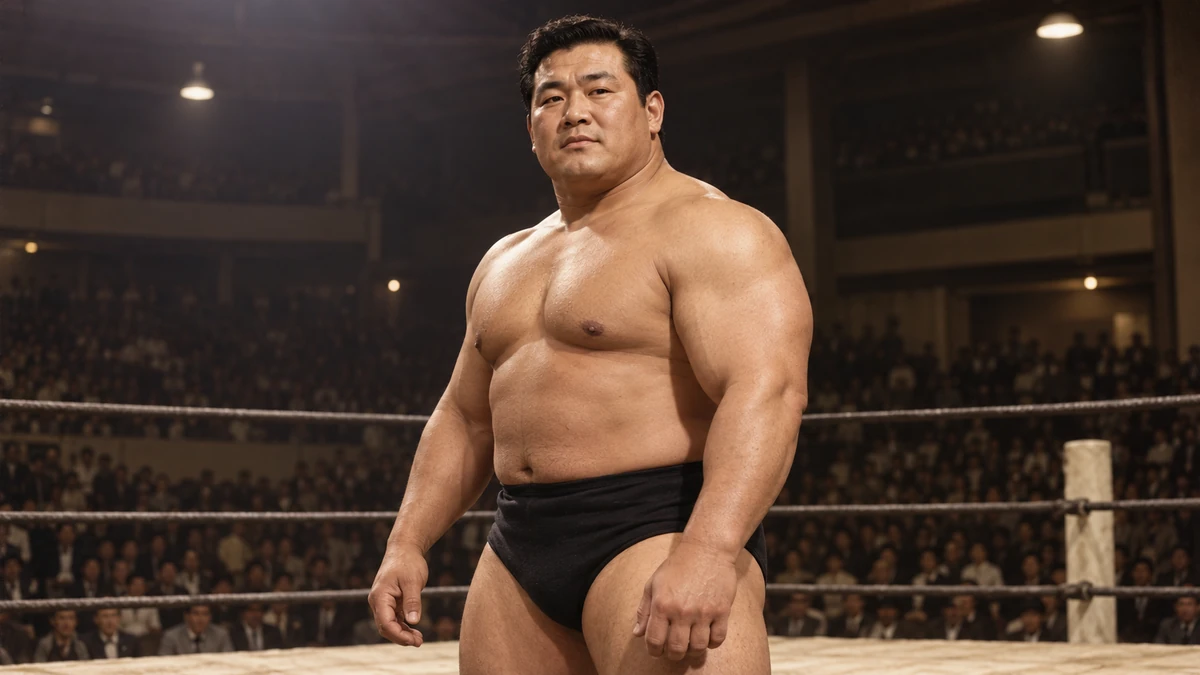
Kim Il, a pioneering South Korean professional wrestler who became a world heavyweight champion, was born Feb. 24, 1929, in Goheung County, in the country’s southern province of South Jeolla.
Kim began competing in ssireum, Korea’s traditional form of wrestling, in 1948 and remained in the sport until 1957. That year, he entered the gym of Rikidozan, the influential Korean-born professional wrestler who became a major star in Japan. Kim trained under Rikidozan and launched his professional wrestling career using the Japanese name Kintaro Oki.
A Headbutt to the Top
After Rikidozan died in 1963, Kim built his reputation around a signature headbutt and collected championships across Asia and beyond. He won a WWA world tag team title in 1963, a North American tag team championship in 1964 and the Far East heavyweight title in Seoul in 1965.
Kim added an All Asia tag team championship in Tokyo in 1966 before becoming the 23rd WWA world heavyweight champion in 1967. In 1972, he won an International Wrestling Enterprise world heavyweight tag team title in Tokyo.
Alongside fellow first-generation Korean wrestlers Jang Yeong-cheol and Cheon Gyu-deok, Kim helped usher in a golden age for professional wrestling in South Korea. He also developed a prominent rivalry with Japanese star Antonio Inoki, who later visited Kim while he was hospitalized.
Kim retired from active competition in 1995. Among the wrestlers he trained was Lee Wang-pyo, who became another leading figure in South Korean professional wrestling.
Illness and Final Years
Kim later pursued several business ventures in Japan, but they failed. He also endured health problems linked to his wrestling career and the death of his wife. He suffered from a range of illnesses beginning in 1987.
Kim returned to South Korea in January 1994 and received long-term treatment at Eulji Hospital in Seoul. He died there Oct. 26, 2006, after a heart attack associated with chronic kidney failure and cardiovascular problems. Korean accounts listed him as 78, reflecting the age-counting convention commonly used in the country at the time.
Honored as a Korean Sports Pioneer
Kim served as an honorary adviser to the Korea Pro-Wrestling Federation. The South Korean government awarded him the Order of Civil Merit in 1994 and the Order of Sport Merit in 2000. He also held a party post and served as a sports and culture policy adviser for the United Liberal Democrats in 2001.
Remembered for turning a background in traditional Korean wrestling into an international professional wrestling career, Kim remains closely associated with the sport’s early popularity in South Korea.
Comments
Post a Comment