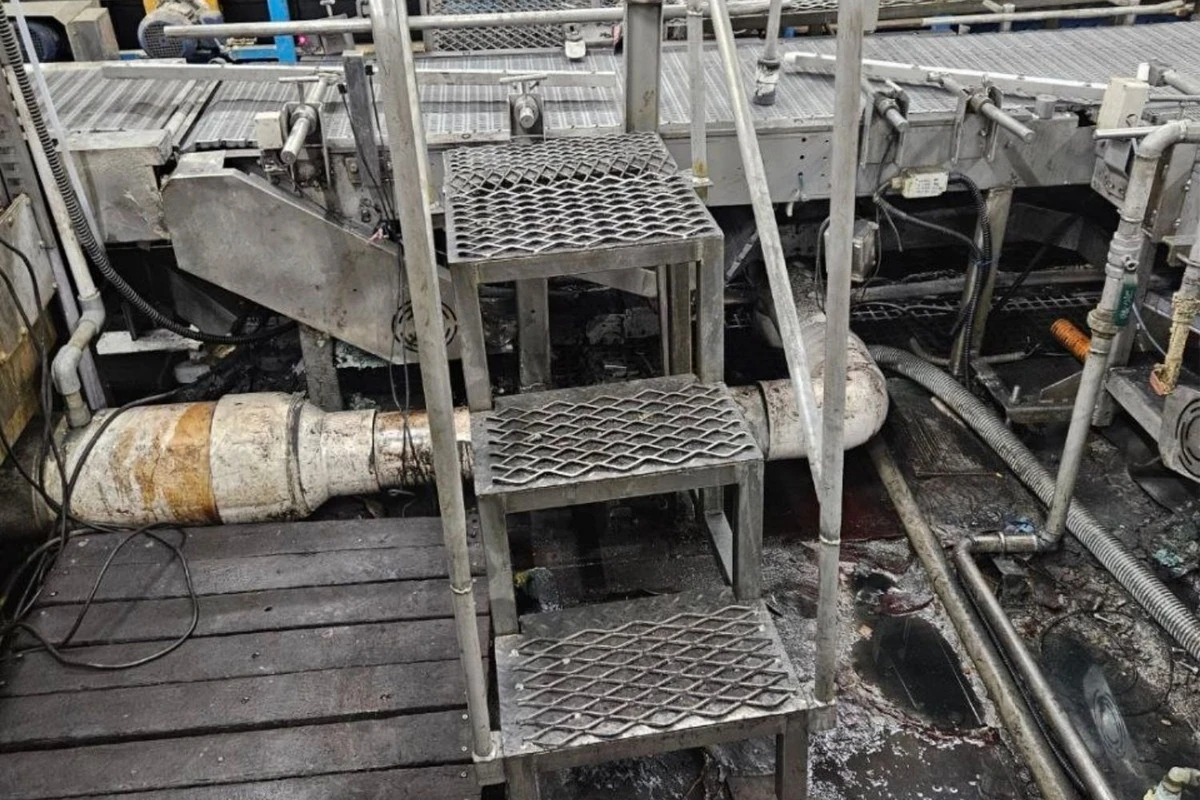
Image to help understand the article
South Korean medical facilities received 531,230 chelation injections worth 6.29 billion won from 2023 through August 2026, with nearly three-quarters supplied to small community clinics, according to an analysis of national drug distribution data.
The figures were released by the office of lawmaker Jeon Jin-sook, a member of the National Assembly’s Health and Welfare Committee. Clinics received 389,470 injections, or 73.3% of the total, accounting for 4.62 billion won in sales. The remainder went to hospitals and larger medical centers.
A Heavy-Metal Treatment Marketed as Wellness Care
The prescription drug, calcium disodium edetate, removes lead and other heavy metals from the bloodstream through urine. It can also deplete essential minerals such as calcium, potassium and magnesium, potentially causing kidney damage, cardiovascular toxicity and electrolyte imbalances.
The World Health Organization recommends chelation only in serious poisoning cases, including when blood lead levels exceed at least 70 micrograms. U.S. occupational safety law prohibits using the treatment as a preventive measure. South Korea, however, has no system clearly restricting prescriptions or establishing treatment thresholds.
Some Korean clinics have instead marketed chelation as an intravenous wellness treatment that clears toxins or relieves chronic fatigue, including through long-term injection programs.
Battery Workers Report Forced Injections
The scrutiny follows allegations from workers at a DN Automotive battery plant in Ulsan, an industrial city in southeastern South Korea. Employees said they were told the injections were vitamins and were required to receive them shortly before occupational health screenings. Workers said they could not choose their treatment dates and received additional injections if their test results did not decline.
More than 200 workers have been identified as affected. They reported symptoms including sharp increases in blood pressure, vision problems, frequent urination, numbness in their hands, facial paralysis, kidney disease and blood in their urine.
South Korea’s Labor Ministry found 68 violations of workplace safety law during an intensive inspection and imposed 46.2 million won in fines. Officials ordered work halted in a production process where lead was detected at more than five times the permitted level. Police were asked to investigate the company and the medical provider over allegations that they interfered with health examinations.
Government Expands Investigation
President Lee Jae Myung called the alleged concealment of hazardous exposure a serious human rights violation and ordered strict action, saying a workplace responsible for protecting employees had hidden the risks of side effects.
The government plans to extend inspections to 14 other factories producing the same type of battery and pursue legal and regulatory changes. The Health Ministry also plans to investigate off-label use of the injections and issue administrative guidance to clinics accused of false or exaggerated advertising.
Comments
Post a Comment