Image to help understand the article
Hazard pay soars in one of the world’s most dangerous shipping lanes
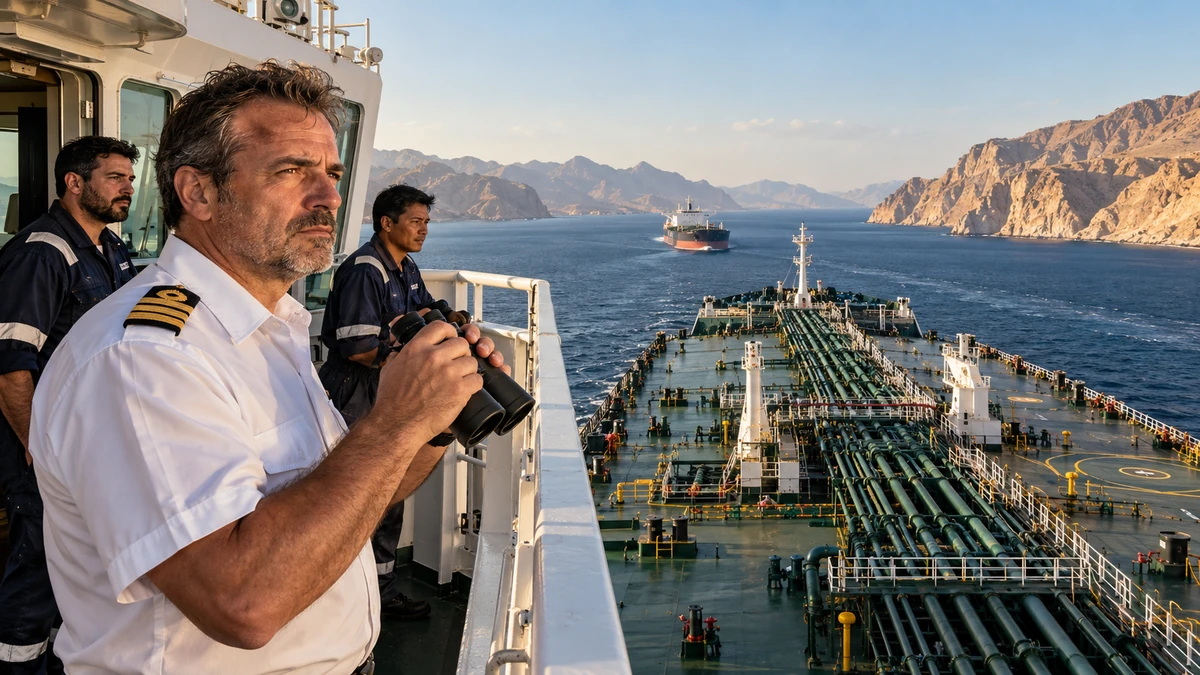
Tanker operators are offering extraordinary salaries and bonuses to keep crews working in the Strait of Hormuz as Iranian attacks make voyages through the narrow waterway increasingly dangerous, according to shipping industry officials.
Captains aboard tankers crossing the strait are earning as much as $100,000 a month, plus a $50,000 bonus for each transit. A tanker captain ordinarily earns about $15,000 a month, meaning the current base pay alone is more than six times the usual amount.
Pay for other crew members, which typically starts around $1,500 a month, has risen four to six times aboard ships operating through Hormuz. A tanker can carry as many as 35 crew members and about 2 million barrels of oil.
Shuttle tankers repeatedly cross the danger zone
Many of the vessels are operating as shuttle tankers, repeatedly moving crude oil through the most hazardous section of the strait and into waters outside the Persian Gulf. Crews could continue receiving elevated pay for months because the ships make repeated runs.
The higher labor and operating costs have not become a major obstacle because oil transported out of the strait is selling at elevated prices. Gulf producers, including the United Arab Emirates and Saudi Arabia, also have limited alternatives to maritime exports despite pipelines and other routes.
After the prewar shipping system broke down, oil-producing countries assembled large, directly operated shuttle fleets. Those ships handle the most dangerous portion of the journey before transferring or delivering the crude for onward shipment to customers.
Iran uses the strait as leverage with Washington
Iran views control of the Strait of Hormuz as leverage in negotiations with the United States and has attacked the shuttle tankers. The assaults appear to have intensified as oil exports by Persian Gulf producers recovered close to prewar levels, potentially weakening Tehran’s bargaining position with Washington.
Since the U.S.-Iran war began Feb. 28, 93 vessels have been attacked near the strait and 24 crew members have been killed, according to the International Maritime Organization. Maritime analytics company Windward estimated that about 2% of vessels transiting the strait during the third quarter were attacked.
High rewards and allegations of coercion
The prospect of earning sums unavailable at home has continued to draw seafarers despite the risk. Many come from the Philippines, India, Indonesia, Russia and Ukraine. Some in the shipping industry compare those accepting the dangerous assignments to mercenaries.
Labor representatives say not every crew member is participating voluntarily. Manoj Yadav, secretary-general of an Indian seafarers’ union, said some shipowners have threatened to deduct repatriation costs from the wages of workers who refuse to sail through Hormuz.
“If they do not agree, the seafarers can lose their jobs, and if they do agree, they can lose their lives,” Yadav said.
Comments
Post a Comment