Image to help understand the article
Fears of renewed U.S.-Iran conflict grow
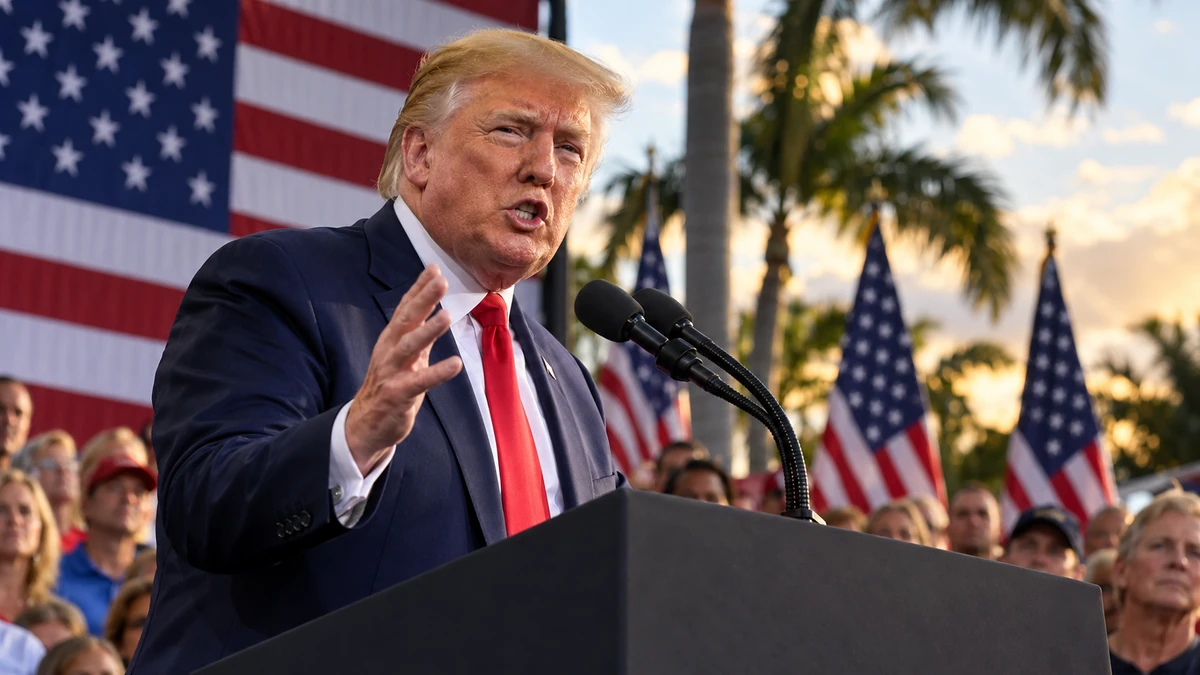
President Donald Trump raised the possibility of another U.S. strike on Iran during a midterm campaign rally in Fort Myers, Florida, on the 23rd, prompting Tehran to warn that it would retaliate without restraint if attacked.
“We may do another small ‘Grand Fury’ operation,” Trump said, referring to the campaign of large-scale U.S. and Israeli airstrikes that opened the war with Iran in late February.
His remarks came amid growing speculation that the United States and Israel could attack Iran again after the Nov. 3 U.S. midterm elections. The New York Times reported on the 21st, citing U.S. officials, that the two countries’ militaries had conducted fighter-jet exercises over Iraq while preparing for a scenario involving an intense, short-term campaign against Iran.
Two senior Iranian officials said on the 23rd that Tehran had developed specific plans to target undersea cables in the Persian Gulf if the United States and Israel launched another attack. They did not disclose how such an operation would be carried out.
One official warned that Iran would recognize “no more red lines” if attacked and said potential targets could include military installations, undersea cables and secret bases.
Oil prices climb as military signals mount
The rising tensions pushed global oil prices back to levels last seen during the war in April. Brent crude for December delivery rose as much as 3.5% during trading on the 23rd to $117.14 a barrel. It was the first time Brent had exceeded $117 since April and represented an increase of about 20% from early September.
Suzanne Maloney, an Iran specialist at the Brookings Institution, pointed to the movement of additional U.S. military assets into the Middle East, reductions in personnel on the ground and orders for government employees to leave as indications that attacks could resume. She said she expected military action after the midterm elections.
Jason Campbell, a senior fellow at the Middle East Institute, said Trump’s comments and recent U.S. military movements appeared excessive if their only purpose was to pressure Iran into negotiations.
Eight countries appeal against escalation
The foreign ministers of Saudi Arabia, Egypt, Pakistan, Turkey, France, Germany, Britain and Italy met in Istanbul on the 23rd to discuss the crisis. At the talks, organized under Turkish and German leadership, the eight countries argued that another confrontation would not provide a solution and would instead widen the conflict and drive oil prices higher.
The Guardian reported that European countries had largely remained on the sidelines during the war with Iran. It described the gathering of European and Middle Eastern diplomatic leaders to address the regional crisis as unusual.
Comments
Post a Comment