Busan International Film Festival Unveils 31st Edition Poster Celebrating Audiences as the Heart of Cinema
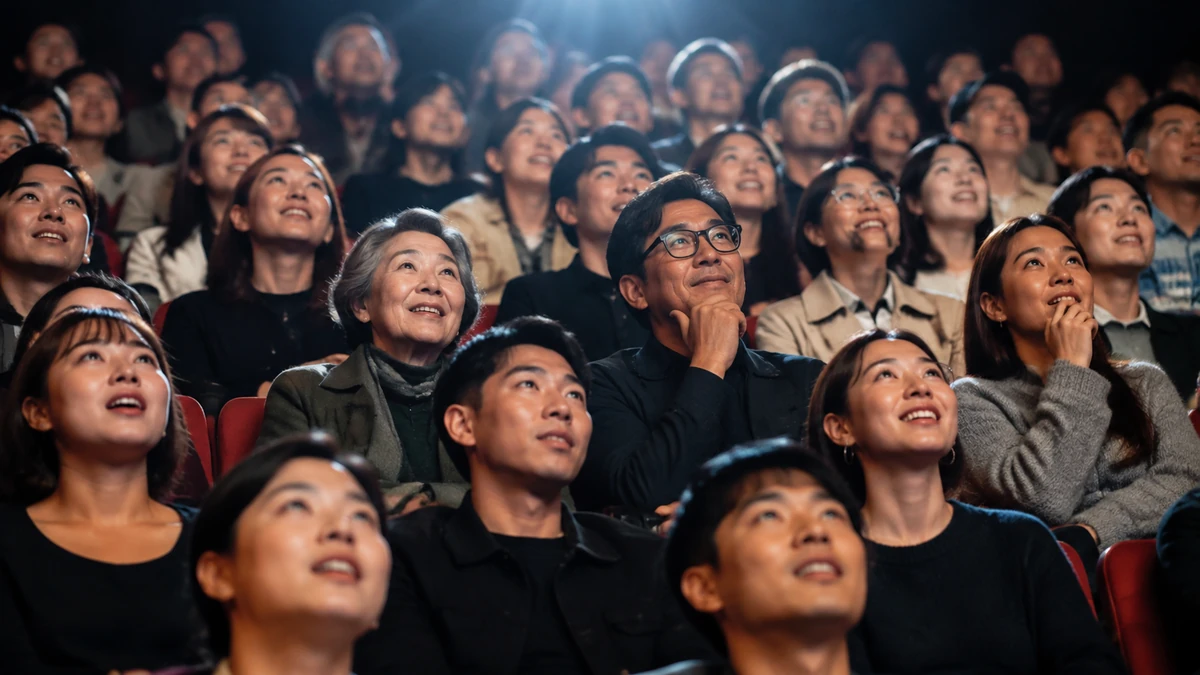
Busan Film Festival Turns the Spotlight Toward the People Who Make Cinema Culture Thrive
The Busan International Film Festival has revealed its official poster for its 31st edition, sending a clear message that the audience — not only filmmakers and celebrities — remains at the center of the cinematic experience. The poster, unveiled on Aug. 7, 2026, highlights the idea that a film festival is completed through the presence and participation of the people who fill theaters, share reactions and create memories around movies.
Scheduled to take place from Oct. 6 to Oct. 15 in areas surrounding Busan Cinema Center, the festival’s main venue in South Korea’s southern port city, this year’s event will use a poster inspired by the Korean concept of “gunsang” (群像), a term referring to a group portrait or a scene featuring multiple individuals rather than a single central figure.
For international audiences, the concept carries a message similar to the idea behind community-driven cultural events in the United States, where festivals are not defined only by performers or featured works but also by the crowds that gather and create a shared atmosphere. In Busan’s case, the poster presents moviegoers themselves as essential participants in the festival’s story.
A Poster Designed Around the Collective Experience of Moviegoers
The official artwork was planned and designed by Choi Soon-dae, an art director who has participated in the Busan International Film Festival since its second edition. Rather than focusing on famous actors, directors or individual films, the design places attention on ordinary audience members and their experiences surrounding cinema.
The festival organizers explained that the poster represents the many moments that happen before, during and after a screening — arriving at the theater, waiting for a film to begin, discussing what was watched and connecting with others through shared emotions. These moments, according to the festival’s vision, are not separate from the movie experience but are part of what makes a film festival meaningful.
This approach reflects a broader shift in global entertainment culture. As streaming services have changed how people consume movies and television, physical gatherings such as film festivals have gained renewed importance because they provide something digital platforms cannot fully replicate: a sense of community.
For American movie fans, the distinction is similar to the difference between watching an award-winning film alone at home and attending a major festival event such as Sundance or the Toronto International Film Festival, where conversations, discoveries and audience reactions become part of the cultural experience.
Why Busan Has Become a Major Destination for Asian Cinema
Founded in 1996, the Busan International Film Festival has grown into one of Asia’s most influential film events. Often compared with major international festivals in Europe and North America, Busan has become a key meeting point for filmmakers, industry professionals and audiences interested in Asian cinema and emerging global voices.
The festival is held in Busan, South Korea’s second-largest city and a major coastal hub known for its beaches, seafood markets and rapidly growing cultural scene. During the festival period, the city transforms into a gathering place for movie lovers, with screenings, discussions and events taking place throughout the area.
Over the years, Busan has played an important role in introducing international audiences to Korean films and Asian filmmakers. The festival has helped showcase works from across the region while also supporting new directors and independent cinema.
The decision to highlight audiences in the 31st edition poster reflects Busan’s identity as more than a showcase for movies. It presents the festival as a shared cultural space where filmmakers and viewers meet on equal ground.
The Meaning Behind “Gunsang”: Many People, One Shared Moment
The Korean word “gunsang” describes a scene made up of multiple people whose individual stories come together as part of a larger picture. In art and literature, the concept often emphasizes connection, diversity and the relationships between people within a shared environment.
For the Busan International Film Festival, the idea represents the belief that cinema does not exist only on the screen. A film gains additional meaning when audiences interpret it, discuss it and connect with others through the experience.
Choi Soon-dae explained that the people who have filled the festival’s theaters over the years have been the force that completed the event. The message behind the design is that every audience member contributes to the festival, whether they are longtime film enthusiasts, first-time visitors or international guests discovering Korean cinema for the first time.
This audience-focused philosophy reflects an evolving understanding of cultural events. Modern festivals increasingly emphasize participation rather than passive viewing, recognizing that communities help shape the identity and longevity of artistic movements.
Busan Prepares for Another International Gathering of Film Fans
The release of the official poster marks the beginning of the final preparation period for the 31st Busan International Film Festival. Organizers are expected to welcome visitors from South Korea and abroad as the city prepares for 10 days of screenings and cultural activities.
For international travelers, Busan offers a different atmosphere from Seoul, combining a major urban environment with coastal scenery. The festival has become an opportunity not only to watch films but also to experience Korean culture, local food and the city’s unique energy.
Film festivals around the world have increasingly focused on creating memorable experiences beyond individual screenings. From filmmaker conversations to audience discussions, these events create opportunities for people from different backgrounds to engage with stories and perspectives they may not encounter elsewhere.
Busan’s emphasis on audiences aligns with this global trend. By placing moviegoers at the center of its visual identity, the festival is highlighting the human connections that continue to make cinema a powerful cultural force.
A Message From Korea’s Film Community to the World
The 31st Busan International Film Festival’s poster carries a message that extends beyond South Korea: movies are ultimately about people. While films begin with directors, actors and production teams, they become cultural experiences when audiences gather to watch, discuss and remember them.
Korean cinema has gained international recognition in recent years, with films and creators achieving global success through theatrical releases, streaming platforms and international awards. But Busan’s latest message focuses on another part of that success story — the communities that support and sustain cinema.
Rather than emphasizing celebrity appearances or individual achievements, the festival’s new poster celebrates the collective energy created when people come together around movies. It presents the audience not as spectators standing outside the art form, but as participants who help complete it.
As the Busan International Film Festival prepares for its 31st edition, the image of many individuals gathered together reflects the event’s central belief: cinema is most powerful when it connects people. For global film fans, the festival’s message offers an invitation to experience not only Korean and Asian films but also the shared moments that make movie culture thrive.
Comments
Post a Comment