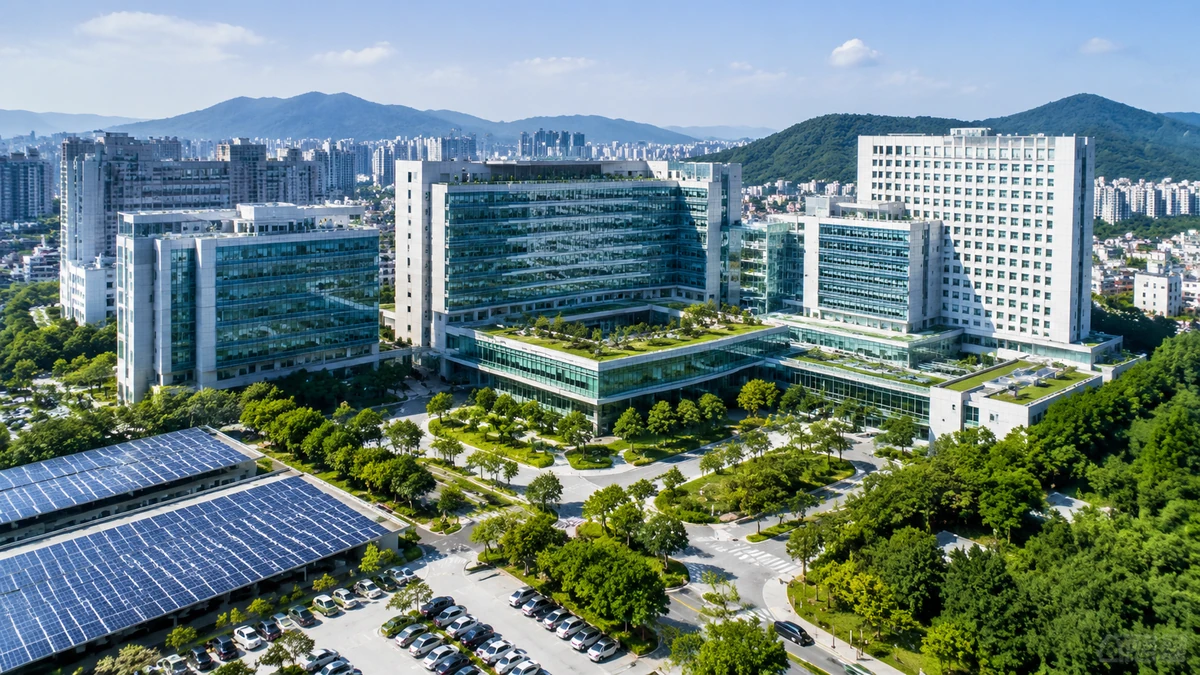
South Korean Hospitals Gain Global Recognition for Sustainability
Four of South Korea’s leading medical institutions have been recognized among the world’s top-performing environmentally sustainable hospitals, highlighting a new dimension of the country’s growing healthcare reputation. The hospitals — Seoul Asan Medical Center, Korea University Guro Hospital, Samsung Medical Center and Severance Hospital — were included in the highest tier of Newsweek’s “World’s Greenest Hospitals 2026” evaluation.
Newsweek’s ranking assessed 250 hospitals around the world, with only 34 institutions receiving the highest distinction. Twelve of those top-rated hospitals were located in the Asia-Pacific region, placing South Korean medical centers among a small group of global leaders focused on environmentally responsible healthcare.
For American readers, the development reflects a broader shift underway in healthcare systems worldwide. Hospitals are no longer judged only by the quality of doctors, medical technology or patient outcomes. Increasingly, healthcare providers are also being evaluated on how they manage energy consumption, resources, waste and their broader environmental impact.
South Korea, known internationally for its advanced medical technology and fast-growing healthcare industry, is now seeking recognition for another aspect of healthcare leadership: building medical systems that are both high-performing and sustainable.
Why Hospitals Are Becoming a Focus of Environmental Efforts
Hospitals are among the most complex buildings in any society. Unlike ordinary commercial buildings, they operate around the clock and require intensive energy use to maintain critical services. Operating rooms, diagnostic equipment, intensive care units and infection-control systems must function continuously, regardless of outside conditions.
That complexity makes sustainability especially challenging. Hospitals cannot simply reduce energy use in ways that might affect patient safety. Instead, healthcare organizations are exploring ways to improve efficiency while maintaining the reliability that patients depend on during emergencies and long-term treatment.
The global movement toward greener hospitals reflects a growing understanding that human health and environmental health are closely connected. Air quality, climate change, resource availability and public health outcomes are increasingly viewed as interconnected issues rather than separate challenges.
In the United States and other developed healthcare markets, hospitals have also been exploring sustainability initiatives, from renewable energy projects and energy-efficient buildings to reducing medical waste and improving supply-chain management. South Korea’s recognition by Newsweek places its hospitals within this international conversation.
From Medical Technology Leaders to Sustainable Healthcare Models
South Korean hospitals have long been known for their advanced facilities and technological capabilities. Large medical centers in Seoul attract patients from around the world for specialized treatments, including cancer care, organ transplantation and complex surgeries.
The latest recognition suggests that the definition of healthcare excellence is expanding. A hospital’s reputation is no longer based only on what happens inside the examination room or operating theater. How a hospital is built, managed and integrated into its community is becoming part of its global identity.
Seoul Asan Medical Center, Samsung Medical Center and Severance Hospital are among the country’s most recognized healthcare institutions, while Korea University Guro Hospital is also a major medical provider in the Seoul metropolitan area. Their inclusion in the highest category demonstrates that sustainability efforts are becoming part of the broader strategy of leading Korean healthcare organizations.
For South Korea, the achievement also reflects the country’s effort to compete internationally not only through innovation but through responsible growth. As healthcare systems around the world face rising costs, aging populations and increasing demand, sustainable operations are becoming a key measure of long-term resilience.
The Growing Importance of Green Healthcare in Asia
The recognition of Korean hospitals carries particular significance in the Asia-Pacific region, where healthcare demand is rapidly expanding. Countries across Asia are investing heavily in hospitals, medical technology and healthcare infrastructure as populations grow older and expectations for quality care increase.
In this environment, sustainability is emerging as a new competitive factor. Healthcare systems must provide advanced treatment while also managing environmental pressures created by expanding medical services.
South Korea’s healthcare industry has gained international attention through medical tourism, digital health innovation and advanced clinical capabilities. The inclusion of Korean hospitals among Newsweek’s highest-ranked green hospitals adds another layer to that global image.
For many international observers, including policymakers and healthcare executives, the Korean example illustrates how hospitals can pursue technological advancement while also addressing environmental responsibility.
What the Shift Means for the Future of Healthcare
The rise of green hospitals represents a broader transformation in how societies think about healthcare infrastructure. Traditionally, hospitals were viewed primarily as places where illnesses were diagnosed and treated. Today, they are increasingly seen as essential public institutions that influence community health, environmental conditions and social well-being.
This shift is particularly important as countries confront challenges such as climate change, population aging and growing healthcare demand. Hospitals consume significant amounts of energy and resources, meaning improvements in sustainability can have effects beyond individual facilities.
Experts note that becoming a sustainable hospital is not a single project but a long-term process. It requires changes in building design, daily operations, resource management and participation from healthcare workers. Environmental goals must be balanced with the central mission of healthcare: protecting patients.
The recognition of four South Korean hospitals demonstrates that sustainability is becoming part of the international standard for healthcare excellence. It also signals that the future of medical competition may depend not only on who can deliver the most advanced treatments, but also on who can create healthier systems for both people and the planet.
South Korea’s Healthcare Brand Expands Beyond Technology
South Korea’s global healthcare reputation has traditionally been built on medical expertise, advanced equipment and efficient hospital systems. The latest Newsweek recognition shows that the country’s healthcare brand is evolving.
As international healthcare markets place greater emphasis on environmental responsibility, Korean hospitals are positioning themselves as participants in a global movement toward sustainable medicine. The achievement of these four institutions provides another example of how South Korea is seeking influence in global industries by combining innovation with social responsibility.
For patients, healthcare leaders and policymakers worldwide, the message is clear: the hospital of the future will need to do more than heal people. It will need to operate in a way that supports healthier communities and a healthier environment.
Comments
Post a Comment