Manchester City Defeats Team K League 3-1 in Seoul Friendly Showcasing Global Reach of Korean Soccer
A Summer Showcase Between English Power and Korean Talent
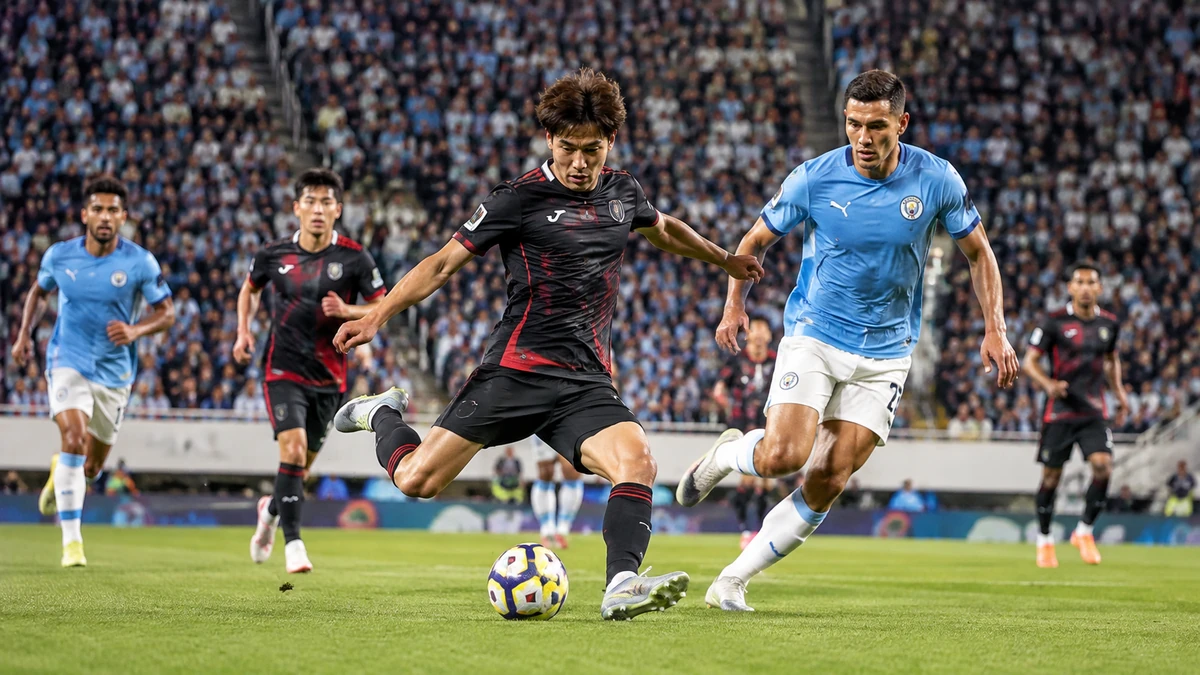
Manchester City defeated Team K League 3-1 on Aug. 5 at Seoul World Cup Stadium, but the friendly match was about more than the final score. The exhibition brought together one of the most successful clubs in English football and a collection of South Korea’s top domestic players, creating a rare opportunity for Korean fans to watch a global soccer powerhouse compete against talent from the K League, the country’s professional soccer competition.
The match was part of the 2026 Coupang Play Series, a summer football event designed to bring international clubs to South Korea for high-profile exhibitions. Similar events have become increasingly popular in Asia, where fans often have limited opportunities to see elite European teams play in person. For American audiences, the concept is comparable to Major League Soccer hosting preseason tours from European giants such as Real Madrid, Barcelona or Premier League clubs looking to connect with international supporters.
Team K League is not a traditional club. Instead, it is an all-star style squad made up of standout players from K League 1 teams, South Korea’s top domestic division. The players normally compete against each other throughout the season, but for this match they joined forces to face one of the world’s leading clubs.
According to Yonhap News Agency, the game was played in intense summer heat, adding another challenge for both teams. Despite the difficult conditions, the match delivered the kind of international competition that highlights the growing connections between Korean soccer and the global football market.
Team K League Responds Quickly After Early Manchester City Goal
The match began at a fast pace, with Manchester City immediately showing why it has become one of the most respected teams in world football. The English club opened the scoring just nine minutes into the game, taking advantage of its technical quality and attacking movement.
However, Team K League quickly responded. Just three minutes after conceding, forward Kim Dae-won of Gangwon FC scored the equalizer, giving Korean supporters inside Seoul World Cup Stadium a moment of excitement. The rapid exchange demonstrated that the domestic all-star team was not simply playing a defensive role against one of Europe’s elite clubs.
The goal also reflected the competitiveness of South Korea’s professional league. While the K League does not receive the same international media attention as the Premier League, it has developed a reputation for producing technically skilled players, disciplined teams and footballers capable of competing internationally.
After the equalizer, Manchester City gradually regained control. The Premier League club used its trademark passing combinations, movement without the ball and physical strength to create more opportunities. The visitors eventually added two more goals, securing a 3-1 victory.
For Team K League, the defeat was not viewed as a failure. Instead, the match provided players with direct exposure to the speed, precision and intensity required at the highest level of global soccer.
Why Facing Manchester City Matters for Korean Players
International friendlies often serve a different purpose from competitive league matches. While trophies and standings are not at stake, these games provide players with a measuring stick against opponents they rarely encounter.
Team K League coach Jung Jung-yong said after the match that his players gained valuable lessons from the experience. He highlighted Manchester City’s high level of skill and physical ability, noting that the players were able to personally understand the demands of facing a world-class opponent.
The experience was particularly meaningful for veteran midfielder Ki Sung-yueng of Pohang Steelers. Ki is one of the few Korean players with extensive experience in the English Premier League, having played for Swansea City, Sunderland and Newcastle United after moving to Europe in 2009.
Ki said the match was an important opportunity for younger players to experience the standard of elite international football. He described Manchester City as still being among the best teams in the world and emphasized that competing against such opponents provides valuable lessons.
For Korean players hoping to reach European leagues, matches like this can reveal the differences between domestic competition and the highest level of international football. Manchester City’s quick transitions, accurate passing and physical intensity showed the standards required in major European competitions.
The encounter also offered K League players a chance to evaluate their own strengths. Scoring against Manchester City showed that Korean domestic talent can create opportunities against top opponents, even when facing a team built around some of the world’s best players.
Manchester City’s Global Strategy Meets Korea’s Growing Soccer Market
Manchester City’s visit to Seoul reflects the broader globalization of football. Premier League clubs have developed enormous international fan bases, and Asian markets have become increasingly important areas for engagement.
South Korea has a particularly strong relationship with global soccer. The country’s fans have followed European leagues for decades, especially after Korean stars such as Park Ji-sung became successful in England. Today, players including Son Heung-min have helped strengthen interest in European football among Korean supporters.
At the same time, the K League continues to seek greater international recognition. Hosting matches against famous European clubs gives Korean soccer organizations opportunities to demonstrate the quality of their players and attract global attention.
These events also introduce international visitors and fans to Korean soccer culture. Supporters in South Korea are known for their passionate stadium atmosphere, organized cheering culture and strong connection with their local teams. The K League’s fan experience differs from European football traditions but has developed its own identity.
For younger Korean fans, seeing Manchester City compete in Seoul provides a direct connection to the global game. Instead of watching only through television or online platforms, supporters can experience the speed and atmosphere of elite football in person.
Challenges Behind the Event: Heat, Attendance and Expectations
Although the match created excitement, the event also faced challenges. Seoul experienced extreme summer heat on the day of the game, making conditions difficult for players and supporters. Weather conditions have become an increasingly important consideration for international sporting events held during Asia’s summer months.
There were also concerns about attendance compared with previous high-profile overseas club visits to South Korea. Some sections of Seoul World Cup Stadium were not fully occupied, and analysts pointed to factors including the hot weather and the absence of some expected star players from Manchester City’s lineup.
International exhibition matches often depend heavily on star power. Fans who purchase tickets for global clubs frequently hope to see the biggest names on the field, and changes to player availability can affect public interest.
Nevertheless, the match remained significant because it brought together two different football environments. Manchester City represented the financial power, depth and global influence of the Premier League, while Team K League represented the talent base and competitive spirit of Korean domestic soccer.
A Meaningful Night for Korean Soccer’s Global Ambitions
The 3-1 result gave Manchester City the victory, but Team K League left the field with valuable experience. The match allowed Korean players to test themselves against one of the strongest clubs in international football and gave fans a rare opportunity to watch different soccer cultures meet in Seoul.
For South Korea, these encounters are part of a larger effort to strengthen the country’s position in the global sports landscape. Korean football has already produced internationally recognized players, and continued exposure to elite competition can help develop the next generation of talent.
For Manchester City, the Seoul match was another example of the club’s worldwide reach. The Premier League’s popularity extends far beyond England, and preseason tours and friendly matches help clubs maintain relationships with millions of supporters around the world.
Ultimately, the Team K League versus Manchester City match represented more than a friendly result. It was a meeting between a global football giant and a rising soccer market, showing how the sport continues to connect players and fans across borders.
As Korean soccer continues to pursue international growth, experiences against teams like Manchester City provide both inspiration and a realistic benchmark. The night in Seoul ended with a Premier League victory, but it also highlighted the ambition of Korean football to compete, learn and remain connected to the highest levels of the global game.
Comments
Post a Comment