Seoul Opens Its Streets to Pedestrians With Fall Walking Festival Connecting DDP and Gwanghwamun Square
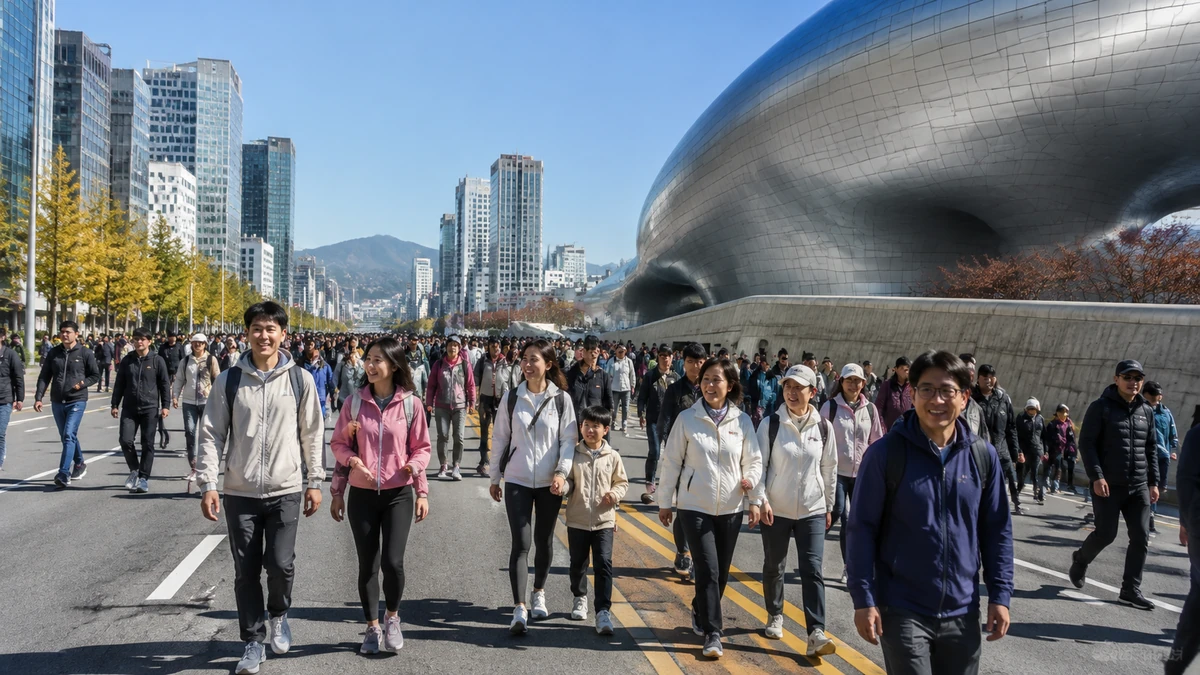
Seoul Turns Everyday Roads Into a Citywide Walking Experience
Seoul, South Korea’s sprawling capital known for its combination of ancient palaces, cutting-edge architecture and fast-paced urban life, is inviting residents and visitors to experience the city from a slower perspective. The Seoul Walk Festival, scheduled for next month, will temporarily transform normally traffic-filled downtown roads into pedestrian spaces, allowing participants to walk through one of the city’s most recognizable urban corridors.
The event will feature a 4.4-kilometer route connecting Dongdaemun Design Plaza (DDP) to Gwanghwamun Square, two landmarks that represent different sides of Seoul’s identity. DDP is a futuristic cultural complex famous for its curved metallic architecture and design exhibitions, while Gwanghwamun Square sits near historic sites including Gyeongbokgung Palace and reflects Korea’s centuries-old political and cultural heritage.
According to YTN, the festival is designed to encourage healthier urban lifestyles and allow citizens to experience Seoul in a way that is usually impossible during normal daily routines. Instead of moving through the city by car, bus or subway, participants will have the opportunity to walk directly through major streets and observe the city at a human pace.
A Downtown Route That Connects Seoul’s Past and Present
The Seoul Walk Festival is more than a fitness event. It is also an urban exploration program that highlights how Seoul has evolved over time. The route from DDP to Gwanghwamun passes through areas where modern architecture, historic neighborhoods and public spaces exist side by side.
For many international visitors, Seoul is often introduced through famous attractions such as royal palaces, traditional markets, K-pop destinations and shopping districts. However, the city’s everyday streets reveal another important part of Korean culture: the relationship between people and dense urban spaces.
Walking along the festival route allows participants to see details that are often missed while traveling quickly. Street cafés, office buildings, public art installations, traditional architecture and the daily routines of Seoul residents become part of the experience. The event presents the city not simply as a collection of tourist destinations but as a living environment.
This approach reflects a broader global shift in tourism. Many travelers are increasingly interested in experiencing local life rather than only visiting famous landmarks. Similar trends can be seen in walking tours in cities such as New York, Paris and Tokyo, where visitors seek neighborhood experiences and authentic connections with local communities.
Why Seoul Is Reimagining Public Space
One of the festival’s most notable features is the temporary conversion of vehicle roads into spaces for pedestrians. In major cities around the world, urban planners have increasingly explored ways to reduce the dominance of automobiles and create more areas where people can gather, exercise and socialize.
Seoul has been expanding efforts to improve pedestrian-friendly environments as the city faces challenges common to many global metropolitan areas, including congestion, limited public space and the need for healthier lifestyles. Events like the Seoul Walk Festival demonstrate how existing infrastructure can be used differently without requiring major new construction.
A road normally designed for cars can become a place for community interaction when traffic is removed temporarily. Families can walk together, visitors can take photographs, and residents can rediscover familiar neighborhoods from a new perspective. The festival highlights the idea that urban spaces are not only transportation routes but also shared environments.
For American readers, the concept may resemble open-street events held in cities such as Los Angeles, Chicago or New York, where selected streets are closed to vehicles for community activities. Seoul’s version combines this idea with the city’s unique landscape, where historic landmarks and high-density modern districts exist within walking distance of each other.
A New Way for International Visitors to Experience Korean Urban Life
South Korea has become a major destination for global travelers, driven in part by the worldwide popularity of Korean culture, including K-pop, Korean television dramas, film and cuisine. While many visitors arrive hoping to experience the cultural elements they have seen online, events such as the Seoul Walk Festival offer a chance to understand the everyday environment behind that global image.
For foreign visitors unfamiliar with Seoul, walking through the city can reveal how Korean urban life balances speed and tradition. A modern office tower may stand next to a historic alley. A centuries-old palace may sit near a busy shopping district. A quiet cultural space may exist only minutes away from one of Asia’s busiest commercial areas.
The festival’s free admission model also makes it accessible to a wide range of participants. Unlike many paid cultural experiences, a public walking event allows residents, budget travelers and international tourists to join without additional financial barriers.
However, successful large-scale pedestrian events require careful organization. Managing crowds, maintaining accessibility and ensuring that both participants and nearby residents can enjoy the event are important considerations. As Seoul continues to attract more international visitors, balancing tourism growth with local quality of life remains a key challenge.
Walking as Culture, Health and Community
The Seoul Walk Festival reflects a broader recognition that walking is not only a form of exercise but also a way people connect with their surroundings. Unlike transportation methods that prioritize speed, walking encourages observation and interaction.
Health experts and urban researchers have increasingly highlighted the benefits of walkable cities. Regular walking can support physical health, while pedestrian-friendly environments can encourage stronger community connections. Cities designed for people rather than only vehicles often provide more opportunities for social interaction and outdoor activity.
Because walking requires no special equipment or advanced skills, it is an activity that welcomes diverse groups. Children, older adults, solo travelers and families can all participate. This inclusiveness is one reason why walking festivals have become popular in cities around the world.
In Seoul’s case, the event also carries cultural significance. The city is often associated with rapid development and technological innovation, but walking festivals present a different image: a city where people can slow down, appreciate public spaces and engage with their surroundings.
Gwanghwamun and DDP: Symbols of Seoul’s Changing Identity
The choice of route is central to the festival’s message. DDP and Gwanghwamun Square represent two important symbols of Seoul’s transformation.
Dongdaemun Design Plaza, opened in 2014, represents Seoul’s ambitions as a global design and cultural hub. Its futuristic appearance has made it one of the city’s most recognizable landmarks, attracting visitors interested in architecture, fashion and creative industries.
Gwanghwamun Square, meanwhile, connects modern civic life with Korea’s historical traditions. Located near the former royal palace area of the Joseon Dynasty, the square has become a gathering place for cultural events, public celebrations and civic activities.
By connecting these two locations, the walking route tells a story about Seoul itself: a city that continues to modernize while preserving connections to its history. Participants are not simply traveling from one landmark to another; they are moving through different chapters of the city’s development.
Seoul’s Future as a Walkable Global City
The Seoul Walk Festival represents a growing trend among global cities that view public spaces as valuable cultural resources. In the future, urban competitiveness may depend not only on economic power or famous attractions but also on how effectively cities allow people to experience daily life.
For international travelers, the most memorable moments often come from simple experiences: walking through a neighborhood, discovering a local café, watching residents go about their day or seeing how a city’s history and modern culture interact.
Seoul’s pedestrian festival offers exactly that kind of experience. By opening downtown streets and inviting people to walk between two major landmarks, the event creates a temporary opportunity to see the South Korean capital in a new way.
As global tourism continues to move beyond traditional sightseeing, experiences that connect visitors with local communities are becoming increasingly important. The Seoul Walk Festival shows how a city can transform ordinary infrastructure into a cultural experience, offering both residents and international guests a closer look at the everyday rhythm of one of Asia’s most dynamic capitals.
Comments
Post a Comment