South Korea Honors Wartime Survivors as a Historic Memorial Space Preserves Their Stories for Future Generations
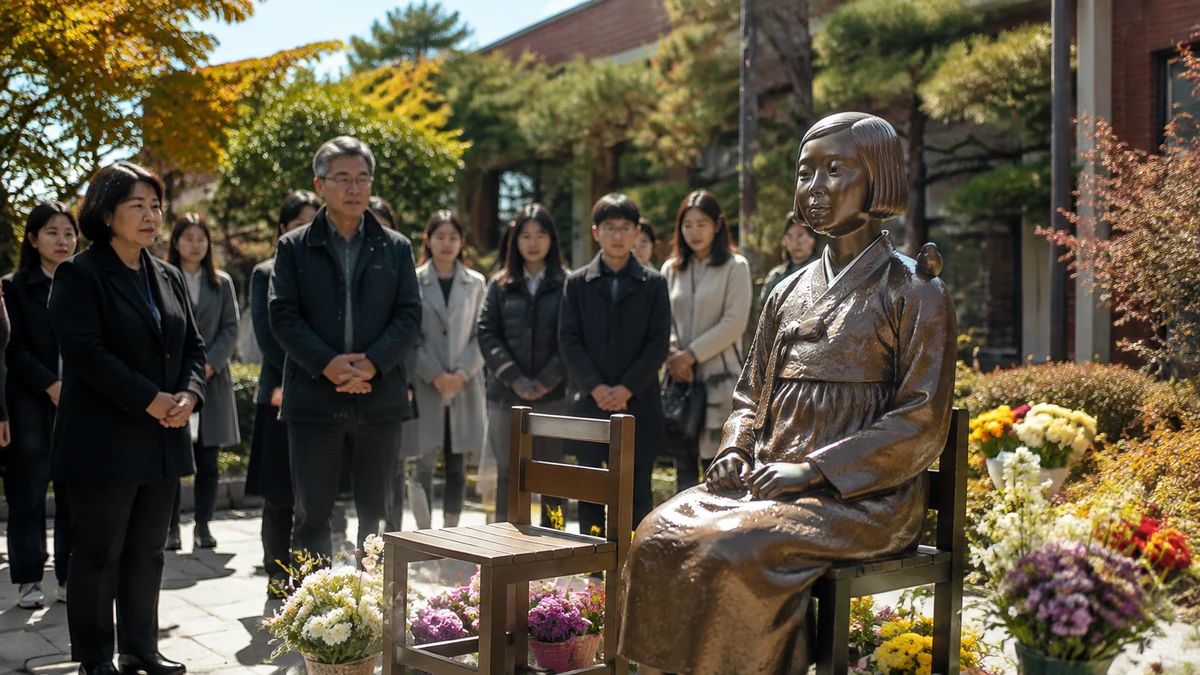
A Day of Remembrance at South Korea’s House of Sharing
South Korea marked the 2026 Day of Remembrance for Victims of Japanese Military Sexual Slavery with a ceremony at the House of Sharing, a memorial and educational site in Gwangju, Gyeonggi Province. The gathering brought together visitors, community members and officials who came to reflect on the experiences of women who survived one of the most painful chapters of 20th-century East Asian history.
The House of Sharing, known in Korean as Nanumui Jip, has long served as a place where the lives and stories of survivors are preserved. Although no former victims currently reside there, the site continues to function as a space where visitors can encounter personal records, artwork and exhibits connected to the women who endured wartime sexual exploitation by the Japanese military during World War II.
For many Americans, the issue may be unfamiliar compared with better-known World War II histories in Europe and the Pacific. In South Korea, however, the subject remains closely tied to national memory, human rights discussions and debates over how societies preserve the experiences of victims after direct witnesses are no longer alive.
Preserving Testimony After the Passing of a Survivor Generation
The central theme of this year’s ceremony was the importance of preserving memory at a time when firsthand testimony is becoming increasingly rare. Many survivors spent decades sharing their experiences publicly, helping shape historical discussions in South Korea and internationally.
Participants at the ceremony walked through exhibition areas and memorial spaces, viewing materials that document the women’s lives. The event emphasized that historical memory is not limited to written records alone. Photographs, personal belongings, artwork and preserved locations can also help future generations understand events that occurred before they were born.
This approach reflects a broader global trend in historical education. Across the world, museums and memorial sites have become places where communities examine difficult chapters of the past. Similar efforts can be seen in Holocaust memorials in Europe, civil rights museums in the United States and sites dedicated to victims of conflicts in many regions.
In South Korea, the House of Sharing represents an effort to connect individual experiences with larger questions about war, human rights and responsibility. The stories preserved there focus not only on suffering but also on the resilience of survivors who continued to speak about their experiences.
A Memorial Space Where Personal Stories Become Public History
One of the important roles of the House of Sharing is transforming individual memories into educational resources. Visitors do not encounter history only through dates and political events; they learn through the lives of people who experienced those events directly.
During the ceremony, attention was also drawn to artwork connected to survivor experiences, including the painting “The Girls Being Burned,” associated with the story of victims and later referenced in the film “Spirits’ Homecoming” by director Cho Jung-rae. The work has been viewed as a powerful representation of the trauma experienced by victims of wartime sexual violence.
Film, art and memorial spaces have played a significant role in how younger generations encounter historical issues. For many people who did not grow up hearing survivor testimony directly, creative works provide another path to understanding the emotional impact behind historical records.
The ceremony highlighted how different forms of remembrance can work together. A museum exhibit, a documentary, a painting or a memorial event may each present different perspectives, but together they create a broader public understanding of history.
Teaching History Through Local Community Spaces
The location of the ceremony also carried symbolic meaning. The House of Sharing is not located in a national capital or a major government building but in a local community in Gwangju, showing how historical education can take place beyond traditional institutions.
For visitors, especially younger generations, visiting a memorial site can create a more personal connection to history. During the event, an image of a child looking at a bust of survivor Kang Il-chul represented the way historical memory is passed from one generation to another.
South Korea has increasingly focused on experiential forms of education, where students and visitors engage with historical sites rather than only reading about events in textbooks. This reflects a belief that seeing preserved spaces and personal records can create a deeper understanding of the human impact behind historical events.
For international visitors, the House of Sharing offers insight into how South Korea approaches remembrance culture. The site demonstrates how a community can preserve difficult memories while using them as a foundation for discussions about peace and human rights.
A Global Conversation About War, Human Rights and Memory
The issue of Japanese military sexual slavery during World War II remains a subject of international attention because it connects historical accountability with broader conversations about wartime violence against civilians.
Human rights organizations and historians around the world have examined similar issues involving conflict-related sexual violence. The experiences of survivors in different countries have contributed to discussions about protecting civilians during war and ensuring that victims’ voices are not forgotten.
The remembrance ceremony in Gwangju reflects South Korea’s effort to maintain those conversations through education and preservation. Organizers and participants emphasized the importance of continuing to remember the survivors even as the number of living witnesses declines.
For global audiences, the event illustrates a question faced by many societies: How can people preserve the lessons of history when the individuals who experienced those events firsthand are no longer present to tell their stories?
Connecting Historical Memory With Future Generations
The 2026 remembrance event at the House of Sharing was not only a memorial for the past but also a discussion about the future of historical education. As time passes, societies must find new ways to communicate personal experiences to younger generations.
Digital archives, museums, films and educational programs are becoming increasingly important tools for preserving historical knowledge. These methods allow future audiences to engage with stories that might otherwise disappear as eyewitness generations pass away.
The ceremony demonstrated that remembrance is an ongoing process rather than a single annual event. Preserving history requires continued attention from communities, educators and cultural institutions.
For South Korea, the Day of Remembrance for Victims of Japanese Military Sexual Slavery represents a commitment to maintaining awareness of survivors’ experiences. For international observers, it offers a broader lesson about the importance of protecting human dignity, documenting injustice and ensuring that painful histories continue to inform future generations.
Comments
Post a Comment