
South Korea Moves Toward Historic Central Asia Summit
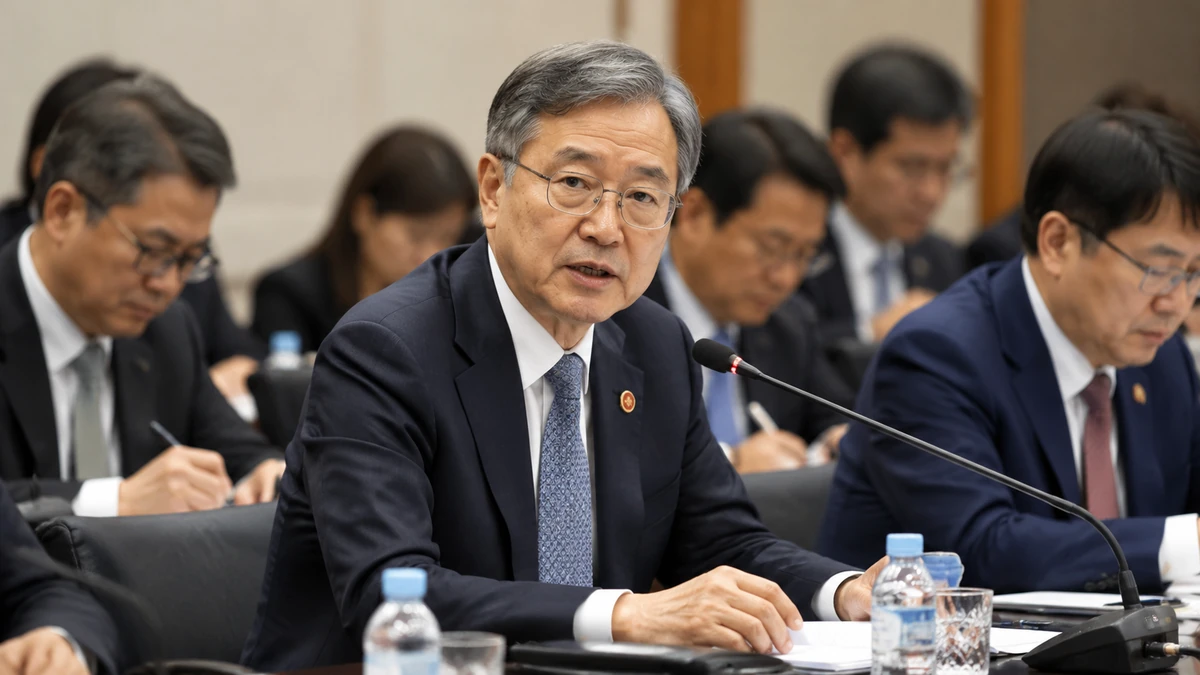
South Korea is preparing to host its first-ever summit bringing together the leaders of South Korea and the five Central Asian countries, a diplomatic effort Seoul says could open a new chapter in regional cooperation. Foreign Minister Cho Hyun chaired the second meeting of the preparatory committee on Aug. 4 at the Ministry of Foreign Affairs in central Seoul, reviewing plans for the upcoming gathering scheduled for Sept. 16.
The summit represents a significant step for South Korea as it seeks to broaden its diplomatic partnerships beyond its traditional focus areas in Northeast Asia, including relations with the United States, Japan and China. For American audiences, the move reflects a broader trend among middle powers: countries are increasingly building networks across regions as global supply chains, security concerns and economic interests become more interconnected.
According to Yonhap News Agency, Cho said during the meeting that recent international developments, including the war between Russia and Ukraine and instability in the Middle East, have increased the strategic importance of Central Asia. He emphasized that the summit could become a turning point for building a future-oriented partnership between South Korea and the region.
Why Central Asia Matters in a Changing Global Landscape
Central Asia, a vast region stretching between Europe and East Asia, has gained renewed international attention because of its geographic position and economic potential. The region includes Kazakhstan, Kyrgyzstan, Tajikistan, Turkmenistan and Uzbekistan, five countries that sit at the crossroads of major transportation routes and energy networks.
For decades, Central Asia was often viewed primarily through the lens of Russia’s influence and post-Soviet history. Today, however, countries around the world are seeking stronger ties with the region. Its importance has grown as governments look for more diversified partnerships in areas such as critical minerals, infrastructure, technology and trade.
South Korea’s interest in Central Asia is part of this wider diplomatic shift. Seoul has increasingly looked beyond its immediate neighborhood to develop what it describes as a broader network of cooperation. The strategy reflects a recognition that economic security and diplomatic influence are no longer limited to traditional alliances or nearby regions.
Unlike major geopolitical powers competing for influence through military or political blocs, South Korea often emphasizes economic development, technology cooperation, education and cultural exchange as tools of engagement. This approach has helped Seoul build relationships in regions where Korean companies, universities and cultural organizations have expanded their presence.
A First Gathering at the Leaders’ Level
The upcoming Korea-Central Asia summit carries symbolic importance because it will be the first meeting involving the leaders of South Korea and all five Central Asian nations together. Cho described the event as an opportunity to elevate cooperation to the summit level and establish a stronger foundation for future relations.
In Korean diplomacy, a summit is more than a ceremonial meeting. These gatherings are often used to establish long-term frameworks, identify areas of cooperation and create political momentum for agreements that may take years to develop. While the specific outcomes of the September meeting will depend on discussions among participating governments, the preparation process itself signals a desire to deepen engagement.
The summit will also be the only multilateral summit hosted domestically by South Korea this year, according to the Foreign Ministry. That distinction gives the event additional significance as Seoul seeks to demonstrate an active role in international diplomacy.
For international observers, including those in the United States, the meeting offers a window into how South Korea is positioning itself as a country with interests and partnerships extending beyond the Korean Peninsula. South Korea has transformed from a major recipient of international assistance after the Korean War into a leading economy and technology producer. Its diplomatic agenda has increasingly reflected that expanded global role.
Building New Partnerships Through Trade, Technology and Culture
Although the summit’s final agenda has not yet been announced in detail, cooperation between South Korea and Central Asian countries has historically included areas such as infrastructure, energy, digital technology, education and cultural exchange.
South Korean companies have long been active in Central Asia, participating in construction, transportation and industrial projects. At the same time, Korean culture has become increasingly visible among younger generations in the region through the global popularity of K-pop, Korean television dramas, Korean language programs and Korean-style education initiatives.
One unique element of South Korea’s relationship with Central Asia is the presence of ethnic Korean communities, particularly the Koryo-saram, descendants of Koreans who were relocated to Central Asia during the Soviet era. These communities have created additional cultural connections between Korea and countries such as Kazakhstan and Uzbekistan.
However, officials and analysts note that cultural ties alone are not enough to create lasting partnerships. Sustainable cooperation requires practical projects, consistent communication and mutual economic benefits. The summit preparation committee is focused on establishing the foundation for those longer-term efforts.
South Korea’s Broader Diplomatic Diversification Strategy
The Korea-Central Asia summit fits into a larger effort by Seoul to diversify its diplomatic relationships. As global competition intensifies and countries face challenges ranging from supply chain disruptions to regional security concerns, governments are increasingly seeking partnerships across multiple regions.
For South Korea, maintaining strong ties with established partners remains important, but expanding relationships with emerging regions has become a key diplomatic goal. Central Asia offers opportunities because of its natural resources, geographic location and growing economic connections.
The summit also highlights a broader change in international diplomacy: influence is increasingly shaped not only by military power but also by economic resilience, technological capability and the ability to build networks among different regions.
South Korea’s experience as an export-driven economy gives it a particular interest in creating stable international partnerships. Korean industries rely heavily on global markets, and diplomatic relationships can help support trade, investment and technological collaboration.
Challenges Ahead After the Summit
While the upcoming summit is expected to mark an important diplomatic milestone, the long-term impact will depend on what follows. High-level meetings can create political momentum, but lasting cooperation requires detailed agreements, investment and continued engagement between governments and businesses.
Central Asian countries also have their own individual priorities and foreign policy interests. Each nation has different economic structures, development goals and relationships with major powers. Building a unified partnership framework with five different countries will require careful diplomacy and attention to each country’s specific needs.
South Korea will also need to navigate the complex geopolitical environment surrounding Central Asia. The region has historically maintained close relationships with Russia and increasingly interacts with China, while other global powers are also seeking stronger connections. Seoul’s challenge will be to expand cooperation while respecting the strategic interests of its partners.
The Sept. 16 summit will therefore be viewed not only as a diplomatic event but also as a test of how South Korea can create practical partnerships in a rapidly changing world.
A New Chapter in Korea’s Global Engagement
The preparation of the Korea-Central Asia summit reflects South Korea’s expanding diplomatic ambitions. By bringing together leaders from across two regions, Seoul is attempting to create a new platform for cooperation at a time when international relationships are being reshaped.
For American and global audiences, the summit illustrates how South Korea’s role in world affairs continues to evolve. Once primarily viewed through the lens of security issues on the Korean Peninsula, South Korea is increasingly acting as an economic, technological and diplomatic partner with interests that extend worldwide.
The success of the summit will ultimately depend on whether discussions lead to concrete cooperation. But the decision to establish a leaders-level dialogue with Central Asia marks a significant step in South Korea’s effort to build broader international partnerships and strengthen its presence on the global stage.


0 Comments