South Korea’s ‘Heartsping: Legend of the Whale Heartstone’ Brings Family, Fantasy and Korean Animation to Global Audiences
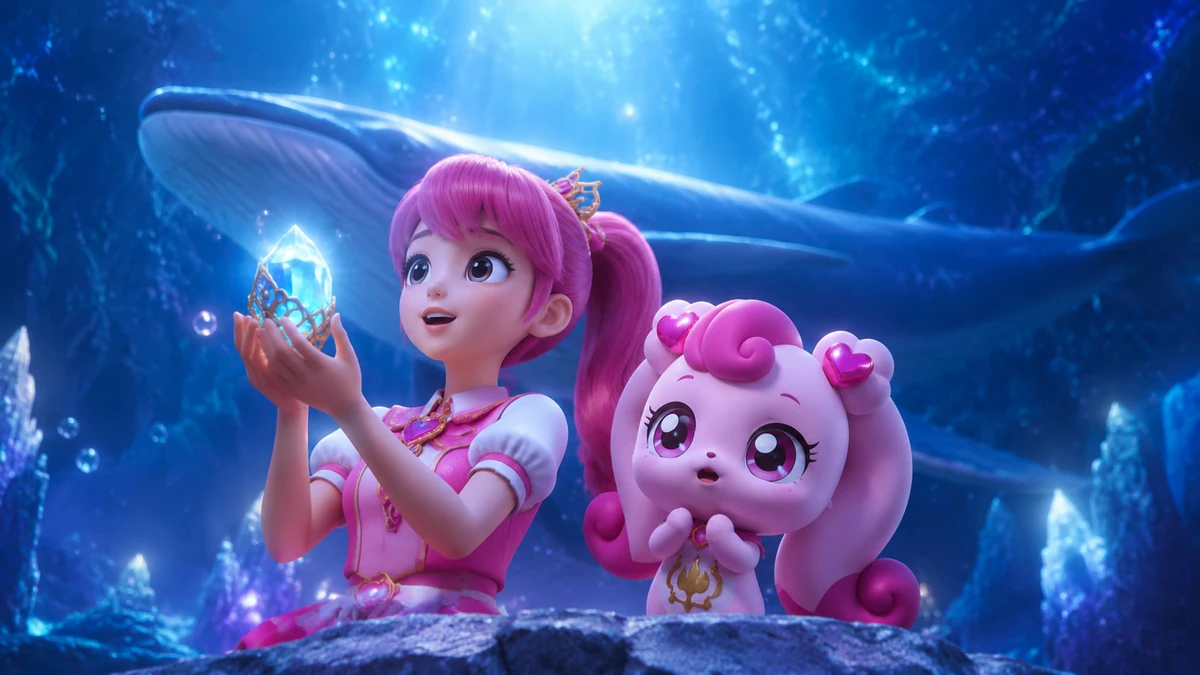
Image to help understand the article
A New Korean Animated Adventure Arrives With a Story of Family and Discovery
South Korean animation is continuing its push beyond domestic audiences with the release of “Heartsping: Legend of the Whale Heartstone,” a family-friendly fantasy film that combines colorful characters, ocean adventure and an emotional story about the bond between a child and her mother.
The animated feature, released in South Korea on Aug. 5, 2026, follows Romi and her beloved companion Heartsping as they enter a mysterious underwater world after a life-changing event separates Romi from her mother, Belita. The film centers on themes that often resonate strongly in Korean storytelling: family relationships, personal growth and the courage required to face uncertainty.
Directed by Kim Soo-hoon and produced by SAMG Entertainment, the studio behind the wider “Heartsping” universe, the 105-minute film is designed for audiences of all ages. In South Korea’s movie rating system, the “All Ages” classification means children and families can watch the film together, similar to the way major Hollywood animated releases are marketed as both children’s entertainment and family experiences.
For international viewers unfamiliar with Korean animation, “Heartsping: Legend of the Whale Heartstone” offers an introduction to a growing sector of South Korea’s entertainment industry that has traditionally received less global attention than K-pop, Korean dramas and films.
The Heartsping Universe and Korea’s Expanding Animation Industry
While Korean pop culture exports are often associated with global music acts and streaming dramas, animation has become another area where South Korean creators are building recognizable characters and fictional worlds. The “Heartsping” franchise is part of that broader effort to develop intellectual properties that can connect with younger audiences.
The film’s story follows Romi as she explores a vast ocean environment after her mother disappears during a mysterious event. Joined by Heartsping, a sea boy named Kite and three additional TiniPing characters, Romi encounters an underwater city and enormous deep-sea creatures while searching for answers about her family’s hidden past.
At its core, the film uses a familiar global storytelling formula: a young hero leaving the safety of home, entering an unfamiliar world and discovering a deeper understanding of herself and her family. Similar structures have helped American animated franchises such as Disney’s “Frozen” and Pixar’s “Finding Nemo” connect with audiences worldwide by combining fantasy settings with universal emotional themes.
Kim Soo-hoon, the director of “Heartsping: Legend of the Whale Heartstone,” has previously worked on Korean animated projects including “Heartsping Special Edition,” “Heartsping,” and films from the “Miniforce” franchise. His work reflects a Korean animation approach that often emphasizes character-driven storytelling and merchandise-friendly worlds built around recognizable personalities.
Korean Audiences Show Interest as the Film Reaches the Box Office
The film’s early performance in South Korea indicates that locally produced animation continues to find a place among moviegoers. According to official Korean box office data, “Heartsping: Legend of the Whale Heartstone” ranked No. 4 overall during the Aug. 10-16 weekly box office period and was the top-ranked Korean film during that timeframe.
The movie recorded 199,725 viewers during the week and reached a cumulative audience of 633,527 viewers after release. Its weekly ticket revenue was reported at 1.87 billion Korean won. These figures show that domestic animated films can compete alongside larger entertainment releases when they offer recognizable characters and stories that appeal to families.
For South Korea, animated films also represent an important part of the country’s broader content strategy. The Korean entertainment industry has increasingly focused on building original intellectual properties that can move across formats, from films and television to consumer products and digital platforms.
This approach resembles the way American entertainment companies have developed long-running franchises around characters. Successful properties are no longer limited to one movie; they can become larger ecosystems involving licensing, streaming, games and merchandise.
What This Means for the United States and American Audiences
For American audiences, the release of “Heartsping: Legend of the Whale Heartstone” is another example of how Korean entertainment is expanding beyond the categories that first introduced many U.S. consumers to Korean culture. The global success of K-pop groups, Korean television series and films such as “Parasite” has created greater awareness of Korean creative industries, but animation remains a less familiar area for many Americans.
The U.S. animation market is one of the world’s largest, dominated by major studios with decades of experience creating globally recognized franchises. However, American audiences have increasingly shown interest in international animation, including Japanese anime and animated productions from other regions. Korean animation companies are now seeking opportunities in this increasingly global marketplace.
For American families and younger viewers, “Heartsping: Legend of the Whale Heartstone” represents a different cultural perspective on themes that are already familiar in U.S. entertainment: childhood independence, family conflict, friendship and personal courage. The film’s Korean cultural background may provide a new storytelling style while maintaining emotional ideas that cross national boundaries.
The United States is also an important market for Korean content companies because American distribution, streaming platforms and consumer audiences can influence whether a Korean franchise grows internationally. While the film’s global release plans are not detailed in the available information, its appearance adds to a larger trend of Korean creators looking beyond domestic audiences.
Why Family Stories Continue to Drive Global Entertainment
One reason stories like “Heartsping: Legend of the Whale Heartstone” have international potential is that family relationships remain one of the most widely understood themes in entertainment. The conflict between Romi and her mother reflects a common experience: young people wanting independence while still seeking understanding and connection with their families.
Korean popular culture frequently explores these emotional relationships, whether through television dramas, films or animated works. For international audiences, understanding these cultural themes can provide a deeper appreciation of Korean storytelling traditions.
The ocean setting also gives the film a visual identity. By placing its characters in a fantasy underwater world filled with sea cities and mysterious creatures, the movie combines adventure elements with emotional drama, creating a format familiar to audiences who have enjoyed animated fantasy films from Hollywood and other countries.
The Next Chapter for Korean Animation’s Global Ambitions
“Heartsping: Legend of the Whale Heartstone” arrives at a time when South Korea’s entertainment industry is increasingly focused on exporting original stories rather than only individual productions. The success of Korean dramas and music has demonstrated that audiences worldwide are willing to engage with Korean-language and Korean-created content.
Animation may become another pathway for Korean companies to reach younger international viewers. Building recognizable characters and long-term franchises requires time, investment and international distribution, but the growing global interest in Korean culture creates new opportunities.
For American viewers discovering Korean animation, “Heartsping: Legend of the Whale Heartstone” provides a window into a different creative tradition — one that blends Korea’s emphasis on emotional storytelling with the universal appeal of adventure and imagination.
Comments
Post a Comment