Counterfeit K-Beauty Products Worth Millions Exposed in South Korea, Raising New Questions for Global Consumers
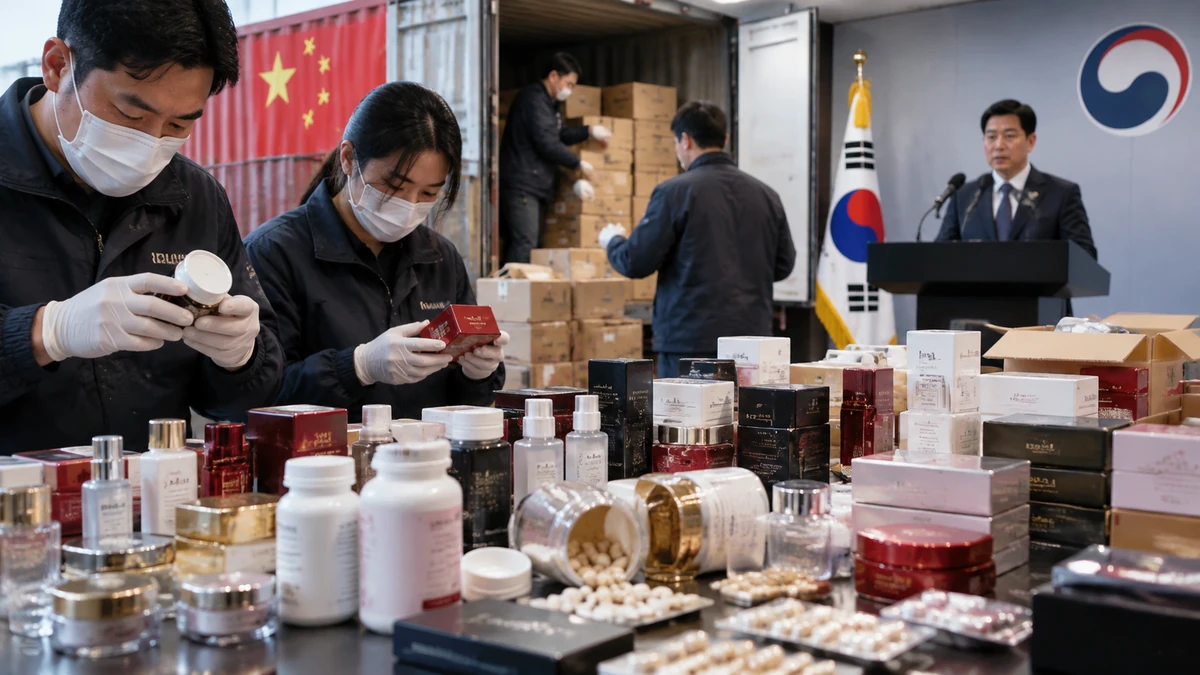
Image to help understand the article
South Korean Authorities Uncover Counterfeit Cosmetics and Health Products Linked to Online Sales
South Korean authorities have uncovered a large-scale counterfeit operation involving cosmetics, health supplements and other consumer goods, highlighting the growing challenges faced by the global beauty industry as Korean brands continue to expand overseas.
The Ministry of Food and Drug Safety said it had referred a Korean broker, identified only as A, to prosecutors after an investigation found that counterfeit products imported from China had been sold as genuine items through online marketplaces. The investigation began after reports that some products listed on major Korean e-commerce platforms showed warning signs, including differences in packaging materials, product design and certification markings compared with authentic goods.
For international consumers, the case reflects a broader issue affecting popular consumer brands worldwide: as products gain global recognition, counterfeiters often attempt to benefit from that popularity by creating cheaper imitations and selling them through digital channels.
Korean beauty products, often referred to internationally as K-beauty, have become especially attractive targets. The term describes South Korea’s cosmetics industry, which has built a global reputation for skincare innovation, ingredient-focused products and carefully designed branding. Similar to how luxury handbags, sneakers and electronics have historically been targeted by counterfeit networks, successful beauty brands are increasingly vulnerable as demand grows in international markets.
How the Counterfeit Network Operated
According to South Korean authorities, the suspected operation involved cooperation between the Korean broker and manufacturers in Shenzhen, China. Investigators said counterfeit cosmetics and health-related products worth approximately 5.8 billion Korean won were brought into South Korea, with about 4.5 billion won worth of products ultimately sold.
The suspected sales period lasted for roughly one year, from October 2024 through November of the following year. During that time, 61 types of counterfeit products were distributed, including cosmetics and health supplements. Authorities estimated that 100,984 counterfeit items entered South Korea, with 82,860 reaching consumers and 18,124 seized by investigators.
The investigation also uncovered a warehouse in Cheongju, a city in central South Korea, where counterfeit products were stored before delivery. Officials said the facility contained 87 types of illegal products with an estimated market value of about 1.3 billion won.
Investigators said the suspected broker received counterfeit goods through direct overseas purchasing channels and then stored and distributed them domestically. Authorities believe the manufacturing of the counterfeit items was carried out by Chinese producers, although the investigation focused on the Korean individual responsible for domestic distribution.
The products were sold at prices somewhat lower than authentic goods, but authorities noted that the difference was not always large. This pricing strategy can make counterfeit products more difficult for consumers to identify, especially when shoppers assume a modest discount represents a normal online promotion.
Counterfeit K-Beauty Targets Popular Korean and Global Brands
The products discovered in the investigation included imitations of well-known cosmetics brands from South Korea and overseas. Authorities identified counterfeit versions of products associated with brands including Kahi, Beauty of Joseon, Celladix, Lancôme and Estée Lauder.
These brands represent different segments of the beauty market. Some Korean brands have gained international attention through social media trends and the global popularity of Korean skincare routines, while global luxury beauty companies have long been recognized among American and European consumers.
South Korea’s beauty industry has become an important part of the country’s cultural exports. Alongside Korean music, television dramas and films, cosmetics have become one of the ways international audiences engage with Korean culture. Korean skincare concepts such as multi-step routines, ingredient transparency and preventative skin care have influenced beauty conversations in markets ranging from the United States to Southeast Asia.
However, the same global visibility that helps legitimate companies grow can create opportunities for counterfeit sellers. Fake products may copy packaging, logos and product names closely enough to confuse consumers who are purchasing online without seeing the product in person.
Authorities also found counterfeit health supplement products, including items made to resemble products from Korean supplement companies. Unlike ordinary consumer goods, counterfeit health products raise additional concerns because consumers may rely on them for expected health benefits.
Safety Concerns Beyond Brand Protection
Officials said laboratory testing found that counterfeit health products did not contain expected functional ingredients, including certain whitening-related components and probiotic-related materials. The absence of these ingredients means consumers may not receive the benefits they believe they are purchasing.
South Korean regulators emphasized that counterfeit products are not only a trademark issue but also a consumer safety concern. Authentic cosmetics and health supplements generally undergo manufacturing controls and quality checks designed to ensure consistency and safety. Counterfeit products may bypass those processes entirely.
Authorities said they did not detect harmful substances in the tested counterfeit items, but they also warned that safety cannot be guaranteed because the products were not manufactured under verified conditions. Officials noted that there may have been cases of consumer complaints or side effects connected to some products, although the full extent was unclear.
The case also involved counterfeit products beyond beauty and health categories. Investigators found fake items involving shoes, golf bags, toothpaste, water purifier filters and other consumer goods. More than 4,000 items were identified as violating trademark protections, including products falsely representing brands such as Nike, Titleist and Apple-related accessories.
In one example, authorities said counterfeit water purifier filters were falsely labeled with Germany as the country of origin. The suspected broker was also accused of actively participating in the sale of counterfeit goods rather than simply handling logistics.
What This Means for American Consumers and the U.S. Market
The South Korean case carries relevance for American consumers because the products involved are increasingly available through global online shopping channels. U.S. shoppers have become major participants in the international market for Korean beauty products, with many discovering brands through social media platforms, online retailers and Korean pop culture communities.
American interest in Korean cosmetics has grown alongside the broader Korean Wave, often called Hallyu, which refers to the worldwide popularity of Korean entertainment and culture. For many U.S. consumers, a Korean skincare product is not simply a cosmetic purchase but part of a larger interest in Korean lifestyle trends introduced through music, television and digital communities.
The case also reflects challenges familiar to American industries. U.S. companies in sectors ranging from fashion to electronics have dealt with counterfeit goods sold through online marketplaces. Similar concerns have surrounded fake luxury handbags, imitation athletic shoes and unauthorized versions of consumer electronics.
For American retailers and platforms, the incident underscores the importance of supply-chain verification and seller monitoring. Digital marketplaces have expanded consumer access to international products, but they also create additional challenges in confirming whether individual sellers are offering authentic merchandise.
The South Korean government said it did not consider the online platforms involved in this specific case responsible for the illegal activity, noting that the suspected distribution structure involved overseas sellers and domestic logistics. The case nevertheless highlights the continuing discussion in many countries about how online marketplaces can balance open commerce with consumer protection.
For U.S. consumers interested in Korean beauty products, the main lesson is the importance of purchasing through trusted sellers and being cautious when prices, packaging or product details appear unusual. As K-beauty continues to expand internationally, authenticity will remain a major issue for both companies and customers.
A Growing Global Challenge for the Korean Beauty Industry
The counterfeit investigation comes at a time when South Korea’s beauty industry is seeking continued growth in overseas markets. Korean cosmetics companies have built international recognition through innovation, branding and strong digital marketing strategies.
Unlike traditional beauty marketing models that relied heavily on department stores and celebrity endorsements, many Korean brands have grown through online communities, influencers and direct engagement with consumers. This digital-first approach has helped smaller brands reach customers around the world.
However, digital growth also creates new risks. Counterfeit sellers can quickly copy product images, create misleading listings and target consumers searching for popular items. The challenge is not limited to Korea or the beauty industry; it is part of a broader global struggle over intellectual property protection in online commerce.
For South Korean companies, protecting brand reputation may become increasingly important as international expansion continues. A consumer who unknowingly purchases a counterfeit product may associate poor quality or ineffective results with the genuine brand, creating damage beyond the immediate financial loss.
The latest investigation demonstrates the need for cooperation among regulators, companies, online platforms and consumers. As Korean products continue reaching new markets, maintaining trust may become just as important as developing new products.
Beyond One Investigation: The Future of Authentic Korean Products
The discovery of counterfeit cosmetics and health products illustrates a larger transformation in global consumer markets. Korean brands are no longer limited to domestic shoppers; they are part of an international ecosystem connecting manufacturers, digital platforms and customers across continents.
For American audiences, the case offers a reminder that global popularity can bring both opportunities and risks. The same cultural influence that has made Korean entertainment, food and beauty products widely recognized can also make those products attractive targets for counterfeit networks.
South Korean authorities continue to emphasize enforcement against illegal distribution, while consumers and businesses are increasingly focused on transparency and authenticity. As the global market for Korean products continues to evolve, protecting trust will remain central to the future of K-beauty and other Korean cultural exports.
Comments
Post a Comment