Korean Actors Won Hyun-jun and Lee Soo-jin Announce October Wedding, Highlighting a New Wave of Global K-Drama Recognition
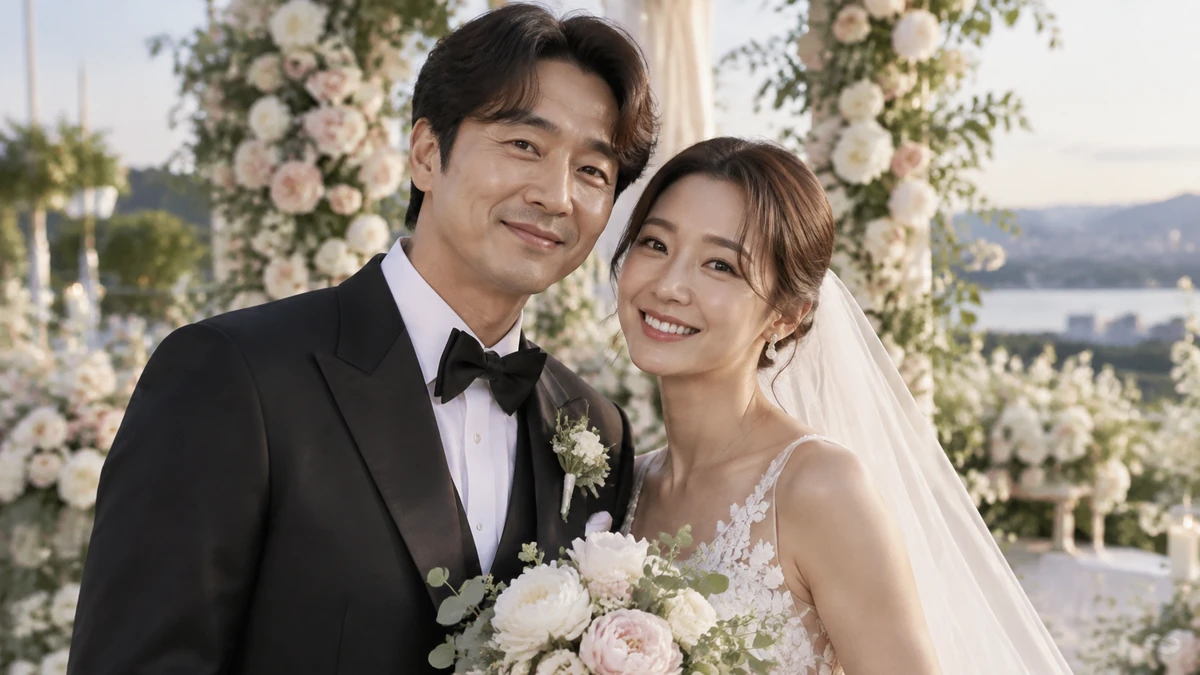
Image to help understand the article
Korean drama actors Won Hyun-jun and Lee Soo-jin announce marriage plans
South Korean actors Won Hyun-jun and Lee Soo-jin are preparing to begin a new chapter together, announcing that they will marry on Oct. 4. The couple shared the news through their agency and personal social media accounts, a common practice among Korean entertainers who often use direct messages to fans as a way to acknowledge major personal milestones.
For international audiences, celebrity announcements in South Korea often carry a different cultural meaning than similar news in the United States. Korean actors and musicians maintain close relationships with dedicated fan communities, and personal updates such as marriages are frequently presented as messages of gratitude as much as personal statements. Stars often thank supporters who have followed their careers before sharing their hopes for the future.
Won wrote that he had decided to spend his life with the person most precious to him and expressed his commitment to supporting each other through both joyful and difficult moments. Lee also shared her feelings about entering a new stage of life, describing a mixture of excitement and nervousness while saying she was grateful to have someone with whom she could share the future.
The announcement attracted attention because both actors have built steady careers in South Korea’s competitive television and streaming industry. Their relationship also reflects a broader trend in Korean entertainment, where performers who have spent years developing their careers are increasingly recognized not only for individual projects but also for their personal journeys.
A relationship formed in the world of Korean television production
The two actors previously appeared together in the Disney+ Korean series Hyper Knife, released in 2025. Korean dramas, often known internationally as K-dramas, have become one of South Korea’s most successful cultural exports, with streaming platforms helping these productions reach audiences far beyond East Asia.
Unlike the traditional Hollywood system, where major film releases often dominate global attention, South Korea’s entertainment industry has developed a strong television and streaming ecosystem built around serialized storytelling. Korean dramas typically combine romance, family themes, social issues, crime narratives and workplace conflicts, creating stories that appeal to audiences across different cultures.
For American viewers who discovered Korean entertainment through Netflix hits such as Squid Game or internationally popular romantic dramas, the rise of actors like Won and Lee illustrates how the industry relies on long-term career development. Many Korean performers spend years appearing in supporting roles before gaining wider recognition through major television projects.
Won began his acting career in 2009 with the KBS drama Iris. Over the years, he appeared in productions including Itaewon Class, Bad and Crazy, Pine: A Rusty Memory and Gwisi. He gained additional attention through his role as Kang Guk-cheol, also known by the nickname Ttanggangaji, in the SBS drama Kim Manager, which became one of the most successful television programs of the year in South Korea.
Lee Soo-jin made her screen debut in 2019 through the OCN drama The Running Mates: Human Rights. She later appeared in projects including Miss Monte-Cristo, The Beneficial Fraud and The Phone Call You Made. Her career reflects the path of many Korean television actors who build recognition through a combination of supporting roles, streaming projects and genre-based dramas.
Why celebrity marriages matter differently in South Korea
Marriage announcements involving Korean entertainers often become major entertainment news because celebrity culture in South Korea is closely connected to fan communities. Supporters frequently follow actors not only through their performances but also through interviews, social media updates and behind-the-scenes content.
In the United States, celebrity marriages are often treated primarily as personal news unless the individuals involved are among the biggest names in entertainment. In South Korea, even respected actors who are not household names worldwide can attract significant attention because domestic television audiences develop strong connections with performers over many years.
The Korean entertainment industry also places a strong emphasis on professionalism and public image. Actors are expected to balance their private lives with relationships involving fans, production companies and business partners. A carefully written wedding announcement can serve as a way to reassure supporters while celebrating a personal decision.
The term used in Korean announcements for marriage often carries a sense of lifelong commitment and family connection. Marriage is traditionally viewed not only as a relationship between two individuals but also as a joining of families. While younger generations in South Korea increasingly approach marriage in more individual ways, cultural ideas about partnership, responsibility and mutual support remain influential.
What this means for the United States and the American entertainment market
For American audiences and companies watching the Korean entertainment sector, the wedding announcement is another reminder of how deeply Korean pop culture has entered the global marketplace. K-dramas, Korean films and Korean music are no longer niche interests in the United States. They have become part of mainstream streaming strategies and international content competition.
American companies have played an important role in expanding access to Korean entertainment. Platforms such as Disney+, Netflix and other global streaming services have invested in Korean-language productions because audiences in the United States and other markets have shown strong interest in stories created outside Hollywood.
The success of Korean dramas also offers lessons for American entertainment companies. Korean productions often emphasize character development, emotional storytelling and carefully planned seasons. These qualities have helped attract viewers who may not speak Korean but are willing to use subtitles or dubbed versions to follow the stories.
For U.S. audiences, the careers of actors like Won and Lee demonstrate that global entertainment success does not always begin with a worldwide blockbuster. Many performers gain international visibility through streaming platforms that allow audiences to discover years of previous work. This is similar to how American actors from television series can build global followings through platforms that distribute older shows internationally.
American entertainment executives are likely to continue watching South Korea’s industry because the country has become one of the world’s most influential sources of non-English-language entertainment. The next stage of competition will involve not only producing successful shows but also building lasting global relationships with audiences.
A broader trend: Korean entertainment careers are becoming more global
The announcement from Won and Lee arrives during a period when Korean entertainment continues to expand internationally. South Korean cultural exports, often grouped under the term Korean Wave or Hallyu, include music, television, film, beauty products and food. The movement began gaining popularity across Asia before reaching North America and Europe through digital platforms.
For American viewers, the Korean Wave represents a shift in how entertainment is consumed. Audiences are increasingly comfortable watching stories from different countries, and streaming technology has reduced many of the barriers that once limited international content.
The growth of Korean entertainment has also created new opportunities for cooperation between Korean and American companies. Production partnerships, streaming agreements and international marketing campaigns have become more common as companies seek content that can appeal across borders.
At the same time, Korean actors continue to navigate a unique entertainment environment where domestic popularity and international recognition can develop at different speeds. A performer may be widely known in South Korea before becoming familiar to global viewers, while streaming platforms can suddenly introduce established actors to millions of new fans.
What to watch next for Korean entertainment
As Won Hyun-jun and Lee Soo-jin prepare for their wedding, attention will likely remain focused on their future careers as well as their personal milestone. Both actors have continued building their reputations through television and streaming projects, areas that remain central to South Korea’s entertainment influence.
Their story is also part of a larger change in global media. International audiences are no longer simply discovering isolated Korean hits; they are becoming familiar with the actors, creators and production systems behind them.
For American viewers, the continued rise of Korean entertainment means more opportunities to explore stories and performers beyond traditional Hollywood channels. For the Korean industry, it represents a chance to strengthen its position as one of the world’s leading sources of popular culture.
The wedding announcement of two Korean actors may be a personal celebration, but it also reflects a larger cultural moment: Korean entertainment has become a global conversation, and the people who create it are increasingly recognized by audiences around the world.
Comments
Post a Comment