Image to help understand the article
Three Korean-style side dishes focused on natural flavors
A Korean recipe guide introduces three low-sodium side dishes designed for everyday meals: shrimp tofu steamed egg, chive and soybean powder steam, and cherry tomato stuffed salad. The dishes reduce the use of salt and soy sauce by relying on ingredients such as seafood, vegetables and natural savory flavors.
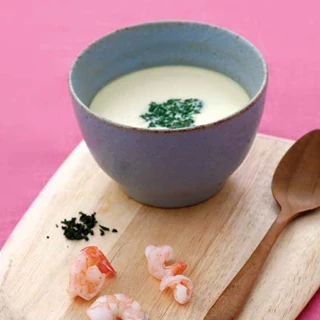
Shrimp tofu steamed egg offers the lowest sodium option
The shrimp tofu steamed egg dish is prepared by steaming a mixture of soft tofu, egg, cream, sugar and unsalted butter with shrimp and spinach. Instead of adding salt or soy sauce, the recipe uses the natural seasoning from shrimp. A single serving contains 220 calories, with 3 grams of carbohydrates, 14 grams of protein, 17 grams of fat and 99 milligrams of sodium, making it the lowest-sodium dish among the three.
Chive and soybean powder steam adds nutty flavor
The chive dish uses soybean powder to create a savory and nutty taste while reducing sodium. Fresh chives are coated with soybean powder, steamed and served with a low-sodium soy sauce-based seasoning. The recipe guide notes that chives are known as an ingredient used in traditional Korean food, while also advising caution for people with allergies or sensitive stomachs. One serving contains 215 calories, 20 grams of carbohydrates, 14 grams of protein, 9 grams of fat and 240 milligrams of sodium.
Cherry tomato stuffed salad combines freshness and savory taste
The cherry tomato side dish replaces salt-cured cucumber with tomatoes to help lower sodium intake. Tomatoes contain glutamic acid, which contributes to a savory taste, and the tomatoes are combined with seasoning made from ingredients including chili powder, garlic and other flavors. Each serving contains 45 calories, 9 grams of carbohydrates, 2 grams of protein, 1 gram of fat and 277 milligrams of sodium, making it the lowest-calorie option among the three.
Practical Korean home cooking approach
The three dishes can be stored in sealed containers in the refrigerator and used as side dishes for several days. The recipes reflect a common approach in Korean home cooking: creating satisfying meals by balancing vegetables, protein and seasonings while allowing the original flavors of ingredients to stand out.
Comments
Post a Comment