Image to help understand the article
Two missiles launched hours apart
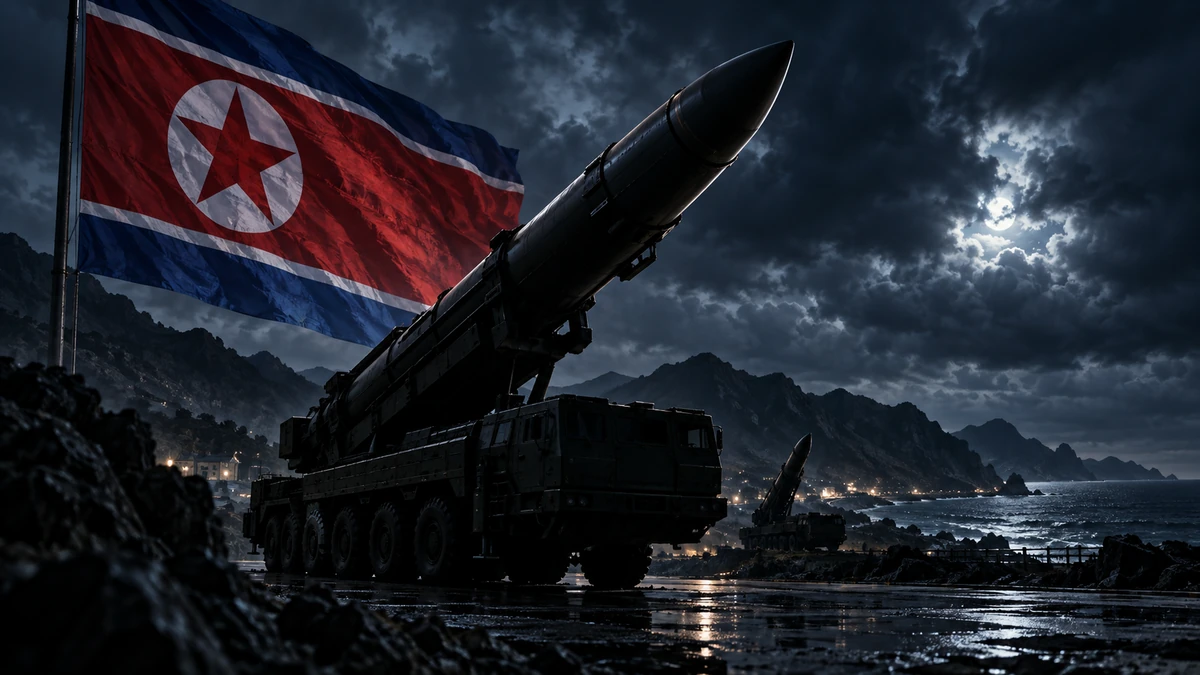
North Korea fired two short-range ballistic missiles from the Wonsan area toward waters east of the Korean Peninsula on Sept. 20, according to South Korea’s Joint Chiefs of Staff.
The first missile was detected at about 3 p.m. and flew roughly 450 kilometers, or 280 miles. A second missile launched from the same area at about 5:50 p.m. traveled more than 600 kilometers, or 370 miles.
The missiles are believed to belong to North Korea’s Hwasong-11 family. That group includes the KN-23, often described as North Korea’s version of Russia’s Iskander missile, and the KN-24, which is compared with the U.S.-made Army Tactical Missile System, or ATACMS. Analysts believe North Korea may have adjusted the range of the same missile type for the two launches.
South Korea, U.S. and Japan share data
South Korea’s military said South Korean and U.S. intelligence authorities tracked and shared information about the launches from the outset and also exchanged ballistic missile data with Japan. Seoul and Washington were conducting a detailed analysis of the missiles’ specifications.
Japanese media reported that the projectiles appeared to have fallen outside Japan’s exclusive economic zone. South Korea’s Joint Chiefs said the military was closely monitoring North Korean activity and maintaining its ability to respond under the U.S.-South Korea combined defense posture.
Launch follows criticism of U.S.-led drills
The tests marked North Korea’s 14th ballistic missile launch event of the year and its first in eight days. They came ahead of the United Nations General Assembly and a U.S.-China summit.
North Korea has announced plans to expand deployment of what it calls an operational tactical missile system intended to deter South Korea. The latest launches were viewed as part of Pyongyang’s effort to modernize its conventional forces and strengthen its military deterrence.
Two days earlier, Kim Yo Jong, the sister of North Korean leader Kim Jong Un and a senior ruling party official, criticized the U.S.-led Pacific Vanguard 2026 multinational military exercise. She accused participating countries of setting new records for hostility toward North Korea and called for an even more forceful response.
Comments
Post a Comment