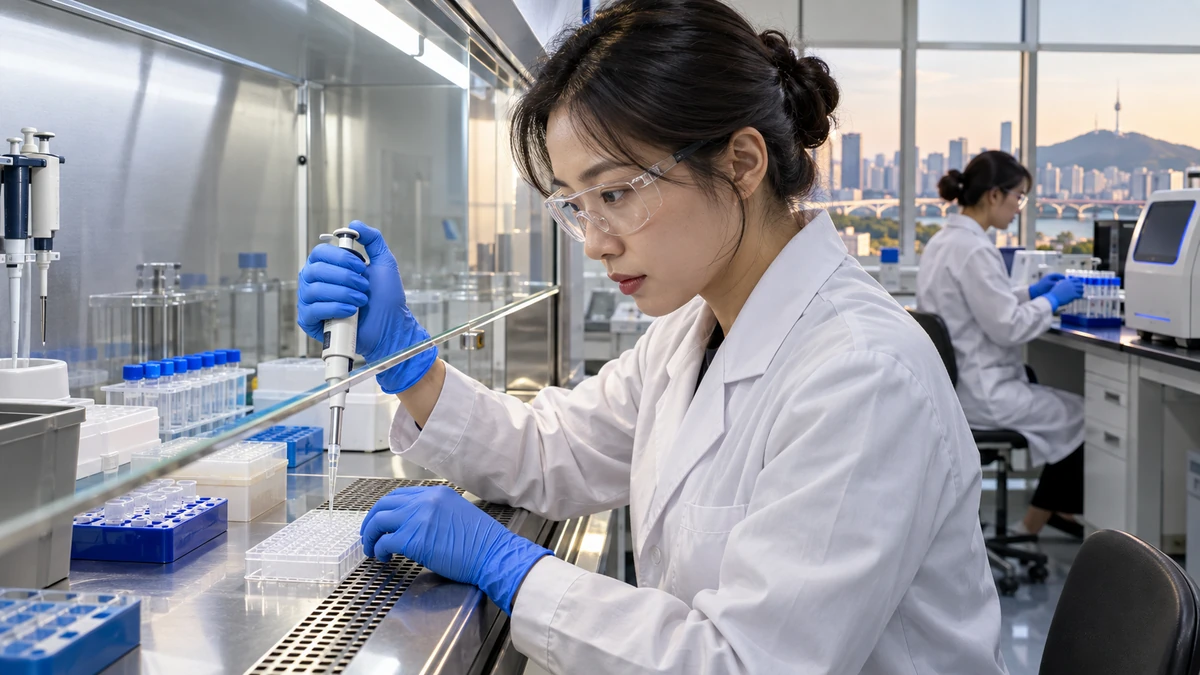
Image to help understand the article
SEOUL — Norovirus detections in South Korea’s capital rose unusually sharply this summer, prompting health officials to urge extra precautions ahead of Chuseok, a major Korean holiday marked by family gatherings and shared meals.
The Seoul Research Institute of Public Health and Environment said on the 24th that 141 norovirus cases were detected from June through August, compared with two during the same period last year — an increase of roughly 70-fold.
From January through August, the institute detected 345 cases, already surpassing the 242 recorded during all of last year. Testing also expanded: Officials conducted 3,575 viral food poisoning tests through August, more than the 3,038 performed throughout last year.
Health precautions for holiday gatherings
Norovirus can spread through contaminated food or water, direct contact with an infected person, or exposure to vomit. Officials warned that the risk of group infections could rise during Chuseok, when Koreans traditionally gather with relatives and prepare and share large meals.
The institute advised washing hands with soap for at least 30 seconds before and after preparing food, before eating and after using the restroom. Meat, seafood and shellfish, including oysters, should be cooked thoroughly, while water of uncertain safety should be boiled before use. People experiencing vomiting or diarrhea should avoid preparing food and limit contact with others.
Different seasonal pattern emerges
Genetic analysis showed a notable increase in the GII.3 norovirus genotype this year. The institute said the summer rise differs from the virus’s usual pattern of spreading primarily in winter and warrants continued monitoring.
Park Joo-sung, head of the institute, said officials would closely track changing food poisoning patterns and work to identify causes through rapid and accurate testing.
Comments
Post a Comment