South Korea’s Trending Searches Reveal a Mix of Local News, Holiday Traditions and Global Connections
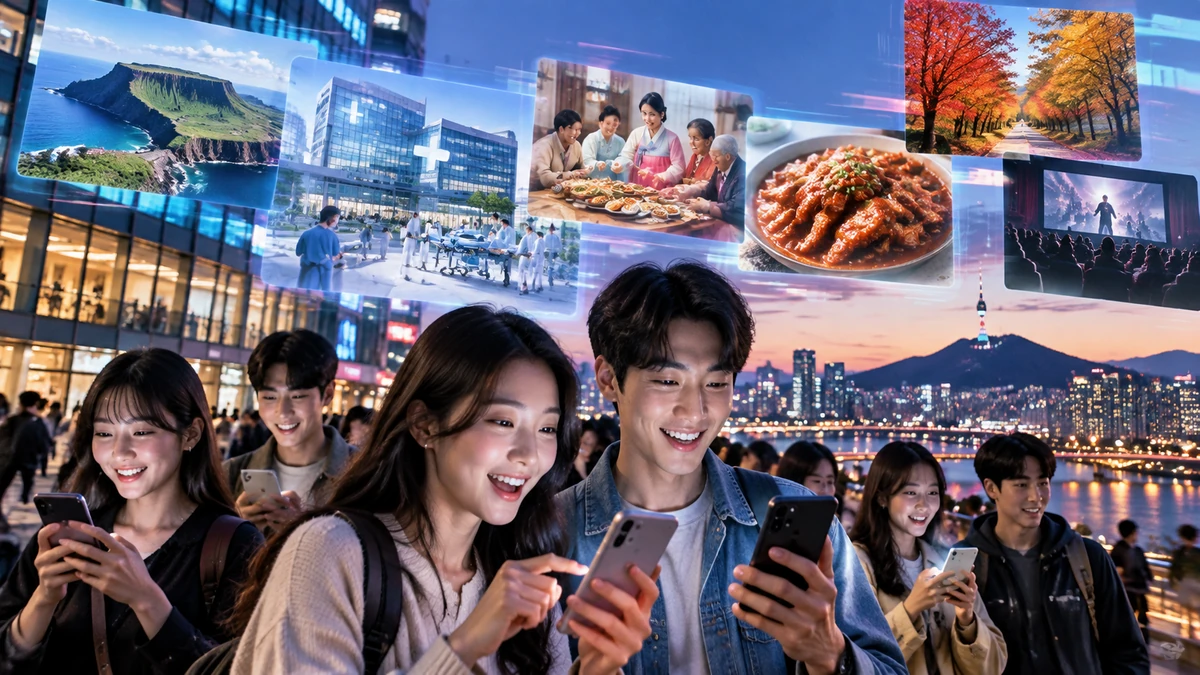
Image to help understand the article
Google Trends in South Korea Reflects a Country Balancing Tradition, Technology and Global Culture
South Korea’s top Google search trends on Sept. 17, 2026, offered a snapshot of a society where local concerns, national holidays, entertainment and international issues compete for public attention. The real-time trending keywords included regional news outlets, healthcare, the upcoming Chuseok holiday, Korean food, movie releases, transportation safety and overseas business topics.
For audiences in the United States and other English-speaking countries, these search trends provide a window into everyday life in South Korea. Unlike a simple ranking of the most popular websites, Google’s trending searches measure sudden increases in interest. A keyword can rise because of a breaking news event, a cultural moment or a widely shared online discussion.
The list also shows how South Korea’s digital culture works. South Koreans are among the world’s most connected internet users, and online search behavior often reflects conversations happening across news platforms, social media, entertainment communities and government announcements.
Holiday Preparations Put Chuseok and Everyday Concerns in the Spotlight
One of the major themes in the Sept. 17 search data was Chuseok, one of South Korea’s most important traditional holidays. Often compared with Thanksgiving in the United States, Chuseok is a multi-day holiday when many Koreans travel to their hometowns, visit family members and participate in ancestral remembrance ceremonies.
The keyword “holiday” rose as South Koreans searched for information related to government preparations, transportation plans, emergency medical services and food prices ahead of the holiday period. Local governments often announce special measures during Chuseok because millions of people move across the country at the same time.
For Americans, the closest comparison is the travel surge around Thanksgiving, when airports, highways and public services prepare for increased demand. In South Korea, however, the cultural meaning extends beyond travel. Chuseok is connected to family obligations, traditional foods and honoring previous generations.
Food was another major part of the trend. The search term “gejang,” a Korean dish made from marinated raw crab, reached a higher level of interest. Online discussions focused on crab dishes sold at a regional tourism event in Yeosu, a coastal city known for seafood. Korean food trends frequently spread through online videos, restaurant reviews and travel content, similar to how American audiences discover restaurants through platforms such as TikTok, YouTube and Instagram.
Healthcare and Infrastructure Projects Draw Attention Beyond Korea’s Borders
The keyword “general hospital” ranked among the top trending searches, driven by news reports about a major hospital construction project in Singapore involving South Korean construction company Ssangyong Engineering & Construction. The reports highlighted a large-scale overseas healthcare infrastructure project, connecting South Korea’s construction industry with international development.
South Korea’s construction companies have long pursued overseas projects, including hospitals, transportation systems and urban infrastructure. For global audiences, these projects demonstrate that Korean companies operate well beyond the country’s famous consumer brands and entertainment exports.
The healthcare-related searches also reflected domestic concerns. During major holidays, Koreans often search for information about which hospitals and pharmacies remain open, especially when regular services operate on reduced schedules.
Healthcare access is a major public issue in many developed countries, including the United States. While South Korea and the U.S. have different healthcare systems, both countries face questions about hospital capacity, medical staffing and how communities prepare for periods of increased demand.
Entertainment Remains a Major Driver of Korean Online Attention
Entertainment continued to play an important role in South Korea’s online conversation. The keyword “box office” recorded the largest approximate search volume among the listed trending terms, following attention around a newly released film starring Korean actors Choi Min-sik and Han So-hee.
South Korea’s film industry has become increasingly visible internationally in recent years. The global success of Korean movies and television series, including award-winning films and streaming hits, has expanded international interest in Korean storytelling.
For American audiences, Korean cinema is no longer a niche category. Streaming platforms have made Korean films and series more accessible, while Hollywood studios and entertainment companies have increasingly explored partnerships with Korean creators.
The rise of box office-related searches also reflects a broader trend: Korean audiences remain highly engaged with domestic entertainment releases. Movie rankings, actor interviews and audience reactions often become major online discussions within hours of a release.
What These Trends Mean for the United States and Global Markets
For the United States, South Korea’s search trends highlight the growing cultural and economic connections between the two countries. Korean entertainment, food, technology and industrial companies have become increasingly familiar to American consumers.
The popularity of Korean movies and television shows in the U.S. market has created new opportunities for streaming companies, theaters, distributors and cultural businesses. American audiences who once viewed Korean content as a specialized interest are now part of a much broader global entertainment market.
The food trend surrounding gejang also reflects the expanding popularity of Korean cuisine in the United States. Korean restaurants have grown in many American cities, while Korean food products and cooking content have reached wider audiences through digital platforms.
Business-related searches also show areas where the two countries remain connected. One trending keyword involved Paul S. Atkins, chairman of the U.S. Securities and Exchange Commission, connected to discussions about shareholder proposal rules. Although this topic originated from U.S. financial regulation, its appearance in South Korean searches shows how closely Korean investors and businesses follow developments in American markets.
South Korea’s economy is deeply linked with the United States through trade, technology investment and financial markets. Changes in U.S. regulations, especially those affecting corporations and investors, can attract attention among Korean companies and market participants.
Local News, Safety Issues and the Importance of Regional Stories
The top search keyword was “Jeju Ilbo,” referring to a newspaper based on Jeju Island, a popular South Korean tourism destination. The search increase reflected attention around regional news and local issues, although the specific reason for the sudden rise could not be confirmed from search signals alone.
This is an important feature of South Korea’s digital environment: regional news can quickly become a national topic when it connects with broader public interests. Similar patterns occur in the United States, where local newspaper stories can gain nationwide attention when they involve major social issues, public safety or unusual events.
Another trending term involved transportation safety. Searches related to traffic focused on child protection zones and school commuting environments. South Korea has placed significant attention on improving pedestrian safety around schools, reflecting concerns shared by many countries about protecting children in urban areas.
The keyword connected to Safety Industry Co. also drew attention because of reports about an industrial fire investigation. Searches around accidents and public safety often increase when citizens seek information about accountability, emergency response and prevention measures.
A Digital Snapshot of a Fast-Changing Society
The Sept. 17 Google Trends data does not represent every issue important to South Koreans, but it provides a useful snapshot of what captured online attention at a specific moment. The combination of Chuseok preparations, healthcare information, Korean cuisine, entertainment releases and international financial topics reflects the complexity of modern South Korean life.
South Korea is often viewed internationally through the lens of K-pop, dramas and technology companies. Those global exports remain important, but daily search trends reveal another side of the country: families preparing for holidays, communities managing public services, citizens following regional news and businesses watching international developments.
For American readers, these trends show a society that combines traditional customs with highly developed digital habits. South Korea’s online conversations are increasingly connected to global markets and international culture, while still being shaped by uniquely Korean experiences such as Chuseok, regional identity and local food traditions.
As Korean culture continues to expand internationally, understanding these everyday signals can provide deeper context for the country’s influence in entertainment, business and technology. The next major Korean trend may come from a movie theater, a family holiday, a regional news story or a global business issue — often all at the same time.
Comments
Post a Comment