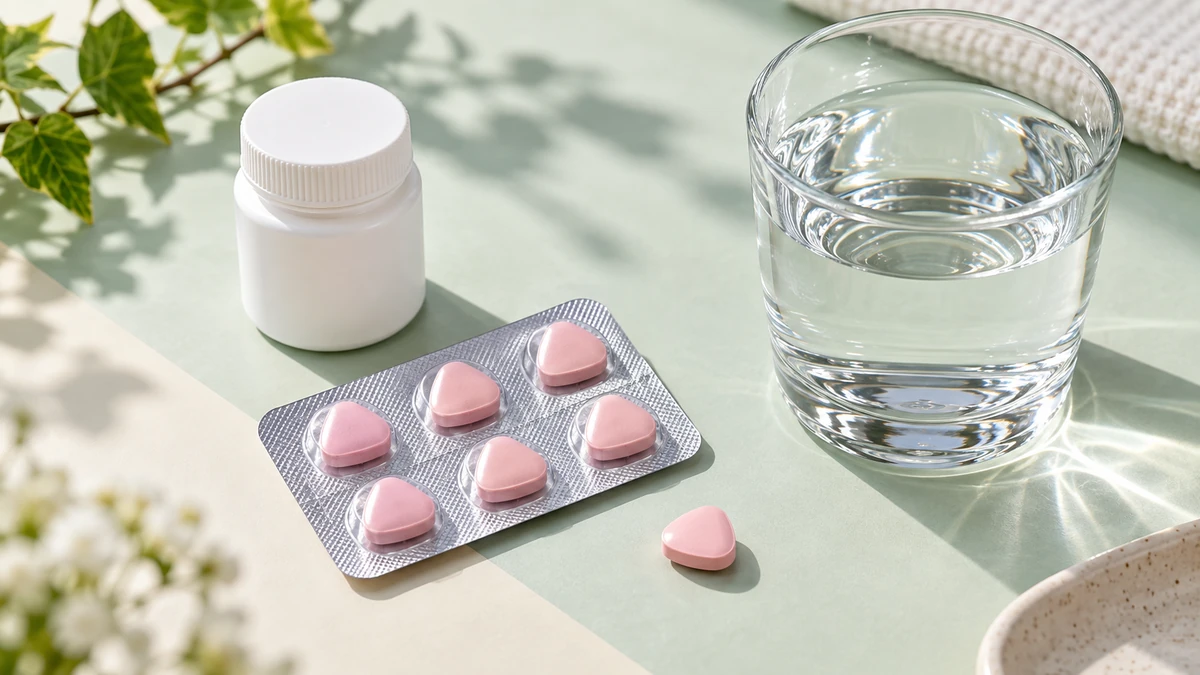
Image to help understand the article
Uses and dosage
Geworin tablets, sold for export as Dolorin, are an over-the-counter medicine made by South Korea’s Samjin Pharmaceutical and listed in the Ministry of Food and Drug Safety’s official medicine information database.
The medicine is used to reduce fever and chills and to relieve headaches, toothaches, menstrual cramps and pain affecting the throat, ears, joints, nerves, lower back, muscles and shoulders. It may also be used for pain following dental extraction, bruises, fractures, sprains and other injuries.
Adults should take one tablet per dose, up to three times a day, leaving at least four hours between doses. It should not be taken on an empty stomach and is intended for short-term use.
Major safety warnings
People who regularly consume three or more alcoholic drinks a day should speak with a doctor or pharmacist before taking Geworin or another fever and pain medicine because of the risk of liver damage. Patients should not exceed a total of 4,000 milligrams of acetaminophen a day or combine Geworin with other products containing acetaminophen.
The medicine should not be used by children younger than 15 or by people with an allergy to the drug; severe liver, kidney, heart or blood disorders; a tendency to bleed; peptic ulcers; glucose-6-phosphate dehydrogenase deficiency; acute intermittent porphyria; or granulocytopenia. It also should not be taken by people who have experienced asthma attacks after using cold medicines, nonsteroidal anti-inflammatory drugs or other fever and pain relievers.
Do not combine Geworin with alcohol, barbiturates, tricyclic antidepressants, other anti-inflammatory or fever-reducing pain medicines, or additional acetaminophen products. People taking warfarin, lithium or thiazide diuretics should consult a doctor or pharmacist first.
Medical advice is also recommended before use for adults 65 and older; people who are frail or have a high fever; pregnant or breastfeeding patients; and those with asthma, thyroid disease, diabetes, high blood pressure, liver or kidney problems, heart conditions, blood disorders, bleeding risks or recurring stomach symptoms. Teenagers 15 and older who have or may have chickenpox or influenza should also seek professional advice before taking the medicine.
Possible adverse reactions
Stop taking the drug and contact a doctor or pharmacist if symptoms include difficulty breathing, widespread redness, swelling, hives, an asthma attack, blue-colored skin, nausea, vomiting, loss of appetite, gastrointestinal bleeding, severe fatigue, jaundice, coughing, shortness of breath or fever. Medical attention is also needed for signs of blood disorders, liver problems, ulcers or gastrointestinal perforation.
Serious skin reactions may include a rash, fixed drug eruption, Stevens-Johnson syndrome or toxic epidermal necrolysis, which can cause fever, intense redness, blistering and burn-like damage affecting the skin and the mucous membranes of the mouth and eyes.
Storage and guidance
Store the tablets at room temperature, protected from moisture and light, and keep them out of the reach of children.
This information is based on public drug data from South Korea’s Ministry of Food and Drug Safety. It does not replace a medical diagnosis or prescription, and patients should consult a doctor or pharmacist before use.
Comments
Post a Comment