Image to help understand the article
New capacity planned at Cheongju plant
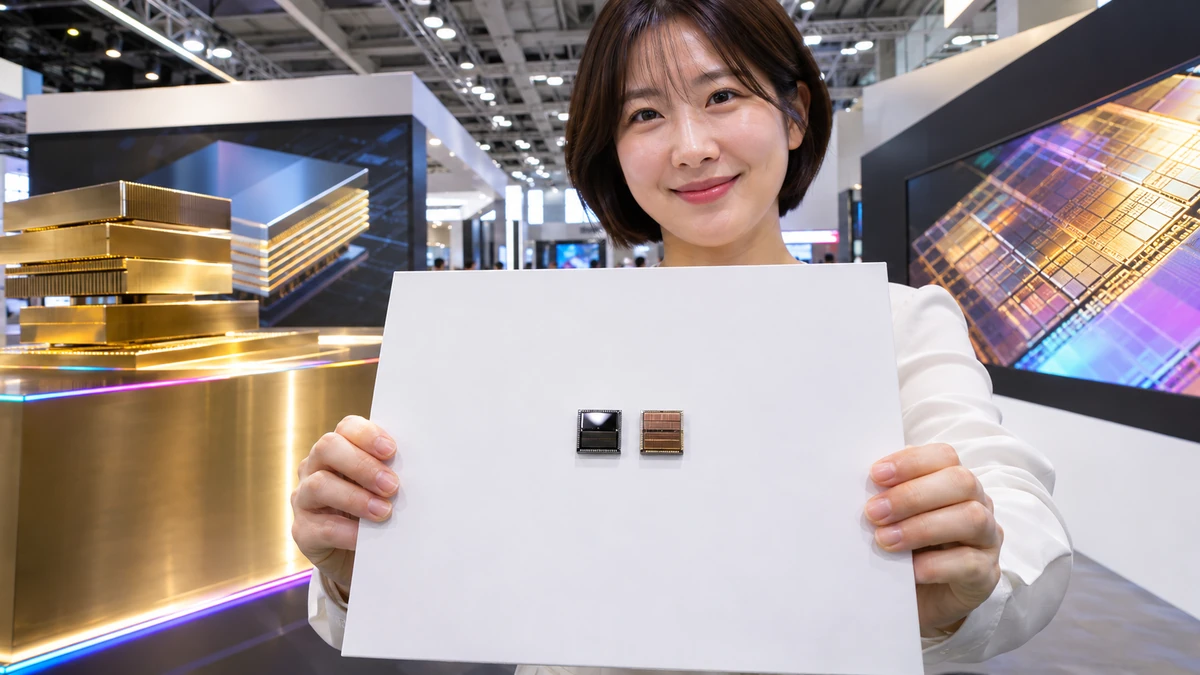
South Korean memory chipmaker SK Hynix is pursuing additional investment in equipment to produce HBM4, the latest generation of high-bandwidth memory used in artificial intelligence systems, according to officials at several semiconductor equipment suppliers.
The company is discussing orders with suppliers for equipment used in the final stages of production, including bonding, cutting and inspection. SK Hynix is seeking to bring in and install the machinery during the first half of next year, with some equipment reportedly requested for delivery by the first quarter.
The leading candidate for the expansion is the company’s P&T6 facility in Cheongju, a manufacturing hub about 70 miles south of Seoul. The plant, formerly known as M8, was designated as an HBM production site in 2025, and related manufacturing lines have been under construction since early this year.
An industry official said SK Hynix plans to use as much of the plant’s available space as possible. At full operation, the facility could add capacity equivalent to more than 20,000 wafers a month.
Demand expected to remain strong through 2029
SK Hynix has said its planned output of DRAM and high-bandwidth memory is effectively sold out through 2029. LS Securities said the chipmaker has secured long-term supply agreements with 14 major global customers covering more than half of its production capacity for 2027 and 2028. Customer requests for HBM are about twice the volume the company can supply, according to the brokerage.
The anticipated equipment orders are also raising expectations among suppliers that the rapid growth of the HBM market will benefit companies across the semiconductor manufacturing chain. SK Hynix said it has continued placing equipment orders according to its plans and intends to respond to the market’s expansion without disruption.
Links to the U.S. AI chip market
The expansion is closely tied to demand from U.S. chip designers. Industry officials expect AMD and Broadcom to provide alternative sources of HBM demand even if Nvidia’s AI chip business faces uncertainty. Nvidia’s decision to lower the HBM4 bandwidth target for its next-generation Vera Rubin AI platform has also reduced manufacturing pressure on memory suppliers, helping support plans for higher production.
Comments
Post a Comment