South Korea Expands Winter Energy Aid, Automatically Restoring Benefits for Households That Lost Eligibility
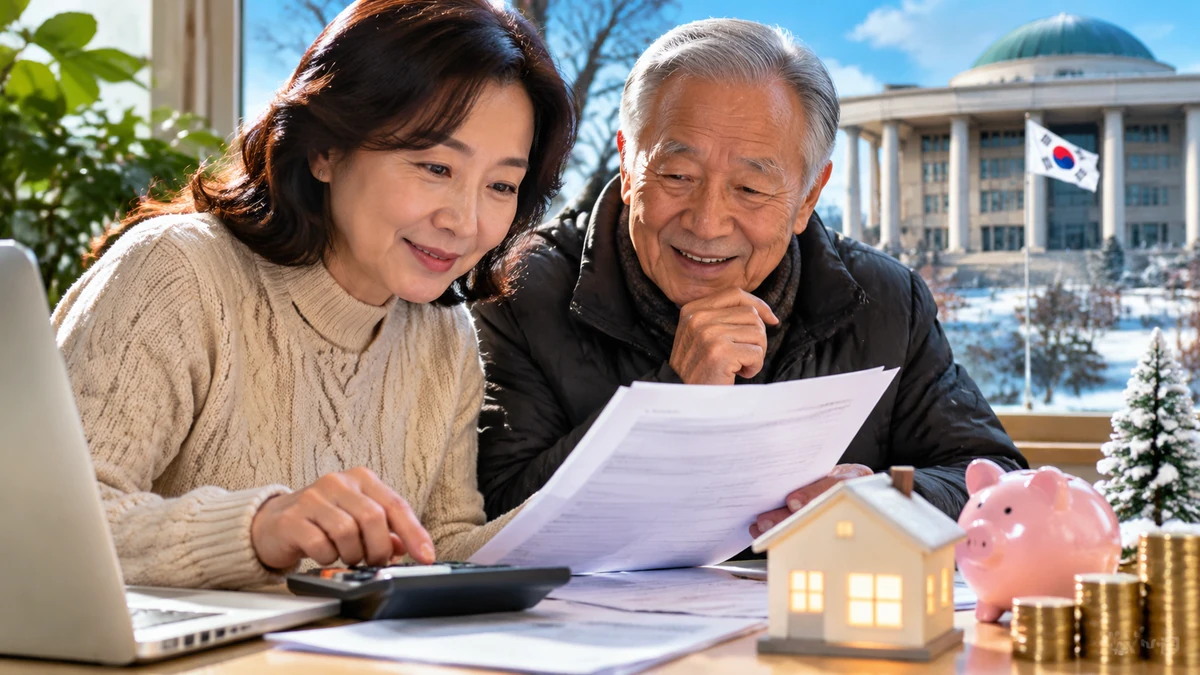
Image to help understand the article
South Korea is expanding its winter energy assistance program, introducing automatic reinstatement of benefits for eligible households whose payments stopped after moving and advancing cash heating subsidies for residents of overcrowded housing ahead of the cold season.
The Ministry of Climate, Energy and Environment said the changes are intended to protect vulnerable households as unusually severe cold weather becomes a possibility and prices for heating fuels such as kerosene and liquefied petroleum gas (LPG) rise.
Government to restore interrupted benefits without new applications
The new "Find and Provide" service, known in Korean as "Chajajudeurim," will identify households whose energy vouchers were suspended because of moves, address changes or discrepancies in household information. Previously, recipients generally had to contact the government and apply again to resume payments.
Under the new system, officials will compare beneficiary information received from the Ministry of Health and Welfare with government records and proactively restore assistance without requiring affected households to submit another application.
The ministry is also accelerating cash heating payments for people living in single-room accommodations and other vulnerable housing, including cramped residential facilities known in South Korea as jjokbang neighborhoods. Because heating costs are often included in rent, these residents have difficulty using conventional energy vouchers. Cash assistance, previously distributed after winter, will now be paid in November, before the cold season begins.
Millions of households eligible for heating assistance
The government's winter support package includes utility discounts for up to 3.97 million households, including low-income families, people with disabilities and households with multiple children. Energy vouchers will reach approximately 1.44 million households receiving basic livelihood assistance that include elderly people, people with disabilities or other qualifying household members. The average voucher is worth 367,000 won.
An additional 147,000 won will go to approximately 210,000 households that rely on kerosene or LPG for heating. The ministry cited increases of roughly 20% to 30% in those fuel prices compared with the same period last year. Unlike electricity and gas bills, kerosene and LPG purchases are not covered by the relevant utility discounts.
The ministry said eligible households generally face little out-of-pocket expense for heating through the voucher program, while households using kerosene and LPG tend to spend nearly all their allocated benefits.
More outreach and protection against utility disconnections
Other measures include allowing unused energy voucher balances to cover overdue electricity bills and temporarily suspending electricity and gas disconnections during the winter support period.
The government will also more than double its home-visit assistance program, expanding the number of households visited by postal workers and social welfare officials from 59,000 last year to 122,000 this year.
The ministry estimates that automatic benefit transfers have reached approximately 83% of eligible households. Of roughly 220,000 households being reviewed, about 25,000 may have been missed. Officials are continuing to send letters and text messages to between 80,000 and 90,000 households and plan to call the approximately 25,000 households that have not responded.
Some low-income households remain outside the program
Energy vouchers are provided to roughly 70% of basic livelihood assistance households, with eligibility determined partly by household composition, including the presence of older adults, people with disabilities, infants and multiple children.
During a parliamentary audit, lawmakers raised concerns that approximately 610,000 people receiving basic livelihood assistance did not receive energy vouchers. Government officials acknowledged the gap but said those households may already receive heating-related support through livelihood benefits and electricity, gas or district-heating discounts. In some cases, monthly utility discounts exceed 100,000 won. The government is reviewing whether eligibility should be expanded.
Households newly qualifying for assistance must still apply. A proposed amendment to South Korea's Energy Act that would allow public officials to submit applications on behalf of eligible residents has been introduced but is not yet in effect.
For households whose vouchers were interrupted by a move, officials said the full average allocation of 367,000 won would be restored if the benefit had not yet been used. Remaining voucher balances can also be applied to overdue electricity bills under the revised rules.
Comments
Post a Comment