South Korea Reports Sharp Rise in Flu Hospitalizations and Death Reports, Urges High-Risk Groups to Get Vaccinated
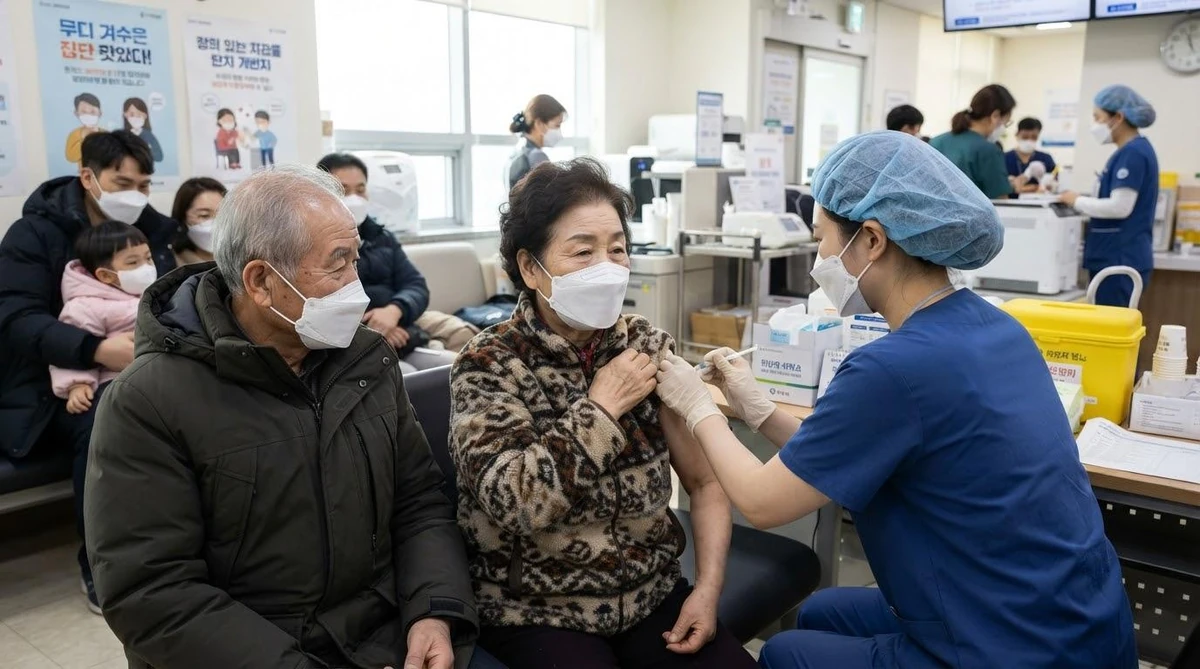
Image to help understand the article
South Korea is seeing a sharp increase in influenza-related hospitalizations and reports of flu-positive deaths, prompting health authorities to urge older adults, children and pregnant women to get vaccinated as soon as possible.
The Korea Disease Control and Prevention Agency (KDCA) said Thursday, Nov. 20, that the number of hospitalized influenza patients and reports of deaths involving people who had tested positive for the virus had climbed above the peak recorded during the previous flu season.
Hospitalizations nearly double from a year ago
Hospitals participating in a national surveillance program reported 926 influenza patients in the 46th week of the year, compared with 639 the previous week and 490 during the same week in 2025. The latest figure is nearly twice last year's level.
Hospitalizations have risen sharply since the 45th week, increasing from 441 in week 42 to 389 in week 43, 460 in week 44, 639 in week 45 and 926 in week 46.
People aged 65 and older accounted for 606 hospitalizations, or 65.4% of the total. Admissions among this age group have already exceeded the previous season's peak of 329, recorded in the 48th week of 2025.
Authorities also recorded 44 flu-positive death reports in week 46, nearly double the 24 reported a week earlier. The figures for the previous five weeks were 30, 28, 21, 24 and 44, respectively.
The death-report figures require careful interpretation. They include patients at participating surveillance institutions who died after having a confirmed influenza diagnosis within the 30 days before death. The KDCA stressed that influenza was not necessarily the cause of death in every case and that other causes were included. The figures are provisional and may change as reporting errors are corrected or delayed reports arrive.
Flu activity rising across all age groups
Outpatient visits for suspected influenza have also increased for four consecutive weeks. During Nov. 8-14, the rate reached 37 suspected cases per 1,000 outpatient visits, up from 17.7 in week 42, 19.2 in week 43, 22.8 in week 44 and 28.9 in week 45.
The surveillance definition of a suspected case includes a patient with a fever of at least 38 degrees Celsius, accompanied by a cough or sore throat.
School-age children and teenagers recorded the highest rates. Among every 1,000 outpatient visits, suspected cases numbered 98.9 for children ages 7-12, 64.5 for teenagers ages 13-18 and 46.6 for children ages 1-6. The rates were 39.5 for adults ages 19-49, 30.2 for infants under 1, 21.7 for people ages 50-64 and 12.5 for those 65 and older.
Influenza viruses were detected in 33.1% of respiratory samples from patients at participating clinics in week 46, up from 27.7% the previous week. The KDCA said the circulating viruses were similar to the strains recommended by the World Health Organization for this season's vaccines. It also found no mutations affecting resistance to antiviral treatments.
Who is eligible for free vaccination?
South Korea's national influenza vaccination program provides publicly funded shots for children ages 6 months through 14, pregnant women and adults aged 65 and older. People outside these groups can receive paid vaccinations at participating medical institutions.
As of 6 p.m. Nov. 19, approximately 8.57 million people aged 65 and older had been vaccinated, representing 74.8% of that population. Among eligible children, about 2.96 million had received shots, a coverage rate of 59.8%.
According to the KDCA's 2024-25 annual influenza report, vaccination reduced the risk of severe illness and death by an estimated 50% to 80%, with effectiveness varying by age. Eligible residents can receive vaccinations at participating clinics or public health centers regardless of their registered home address. Locations can be found through the government's vaccination information website at nip.kdca.go.kr.
KDCA Commissioner Lim Seung-kwan said the country was experiencing an unusually high level of severe cases compared with previous years, with hospitalizations approaching 1,000 and rising numbers of older patients and flu-positive death reports. He urged unvaccinated older adults, children and pregnant women to complete vaccination promptly.
Symptoms, treatment and precautions
Influenza, commonly known as the flu, spreads through respiratory droplets released when infected people cough or sneeze. Infection can also occur when someone touches their eyes, nose or mouth with hands contaminated by the virus.
Symptoms typically appear one to four days after infection, with an average incubation period of two days. They include fever, cough, headache, muscle aches, a runny nose and sore throat. Children may also experience nausea, vomiting and diarrhea. Fever and other general symptoms usually last three to four days, although coughing and a sore throat can continue after the fever subsides.
Older adults, young children, pregnant women, people with lung or heart disease, those with certain chronic conditions and people with weakened immune systems face a greater risk of complications and hospitalization. Common complications include middle-ear infections and bacterial pneumonia. More serious complications can include inflammation of the heart muscle and brain.
Prescription antiviral treatments covered by South Korea's national health insurance system include oseltamivir and zanamivir. Patients diagnosed with influenza are advised to stay home and avoid school, child care and work until at least 24 hours after their fever has ended without the use of fever-reducing medication. If they have taken such medication, they should wait 48 hours after the last dose. People with severe illness or weakened immune systems may need to follow a different timeline based on medical advice.
During recovery, patients should also limit contact with vulnerable household members, particularly older adults.
Health authorities urge basic prevention measures
Influenza typically circulates in South Korea from November through April. Its usual seasonal pattern was disrupted during the COVID-19 pandemic from 2020 to 2022, and the virus circulated throughout the year in 2023. Seasonal patterns returned in 2024, according to the KDCA.
The agency said it remains difficult to predict exactly when the current outbreak will peak or end and publishes weekly updates through its infectious disease portal.
Recommended precautions include washing hands with soap under running water for at least 30 seconds, covering the mouth and nose when coughing or sneezing, wearing a mask when experiencing respiratory symptoms, avoiding touching the face with unwashed hands and regularly ventilating indoor spaces.
Lim also encouraged people to wear masks in crowded indoor settings and seek medical evaluation and treatment promptly if they develop a fever, cough or sore throat.
Comments
Post a Comment