Image to help understand the article
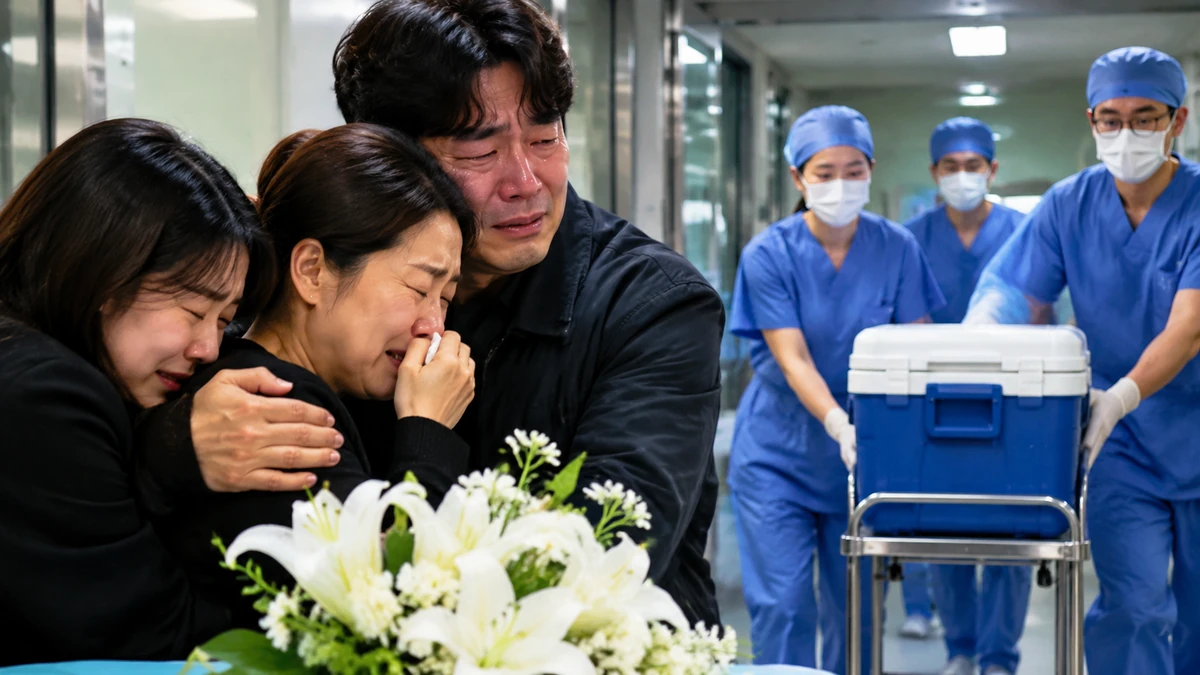
South Korea is seeing a recovery in organ donations from brain-dead donors for the first time in three years, with 394 donors recorded as of Nov. 16, according to the Korea Organ Donation Agency. The country is on track to surpass 400 donors this year, a level it has not reached since 2023.
Donations reverse a two-year downward trend
South Korea recorded 405 brain-dead organ donors in 2022, rising to 483 in 2023 before falling to 397 in 2024. The decline continued last year, when the annual total dropped to 370.
This year's figures had already reached 380 by the end of October, exceeding the entire 2025 total. The agency attributes the recovery partly to improving public awareness and the resolution of tensions between the medical community and the government.
Brain-dead organ donation refers to the recovery of organs from people declared brain-dead for transplantation into at least one recipient. The figures do not include cornea donations.
More than 55,000 people are waiting for transplants
Despite the improvement, demand for donated organs remains substantially higher than supply. South Korea had 55,350 people on its organ transplant waiting list last year, a 1% increase from the previous year.
As of December 2024, the average waiting period for an organ transplant was four years. An average of 8.5 people died each day while waiting for a transplant, highlighting the continuing gap between available donations and medical needs.
The Korea Organ Donation Agency has expanded public awareness campaigns and educational programs to encourage donation. The number of students receiving organ donation education increased from 40,173 in 2021 to 112,865 last year, a rise of 180.9%.
Participating schools increased from 116 to 357 over the same period, more than tripling. Training programs for medical professionals also expanded, with the number of training cases rising 67.3%, from 297 to 497.
Human tissue donations reach a decade high
Donations of human tissue from brain-dead individuals have also increased. South Korea recorded 210 tissue donors as of Nov. 16, returning to the 200-plus range for the first time since 2016, when the annual figure reached 285. The current total is the highest recorded in the past decade.
Human tissue donations include bones, cartilage, fascia, skin, ligaments, heart valves, blood vessels and nerves. These materials can be transplanted to help patients recover health and physical function, prevent disabilities or restore damaged tissue.
Tissue donated by a single person can provide transplant materials for as many as 100 patients. However, the practice remains underused: In 2024, only 27.2% of organ donors also donated human tissue.
The latest figures point to progress in South Korea's donation system, but the large transplant waiting list and continued deaths among patients awaiting organs underscore the need to expand both organ and tissue donation.
Comments
Post a Comment