Trump Rejects Immigration Amnesty After Conservative Backlash, Reaffirms Hard-Line Deportation Policy
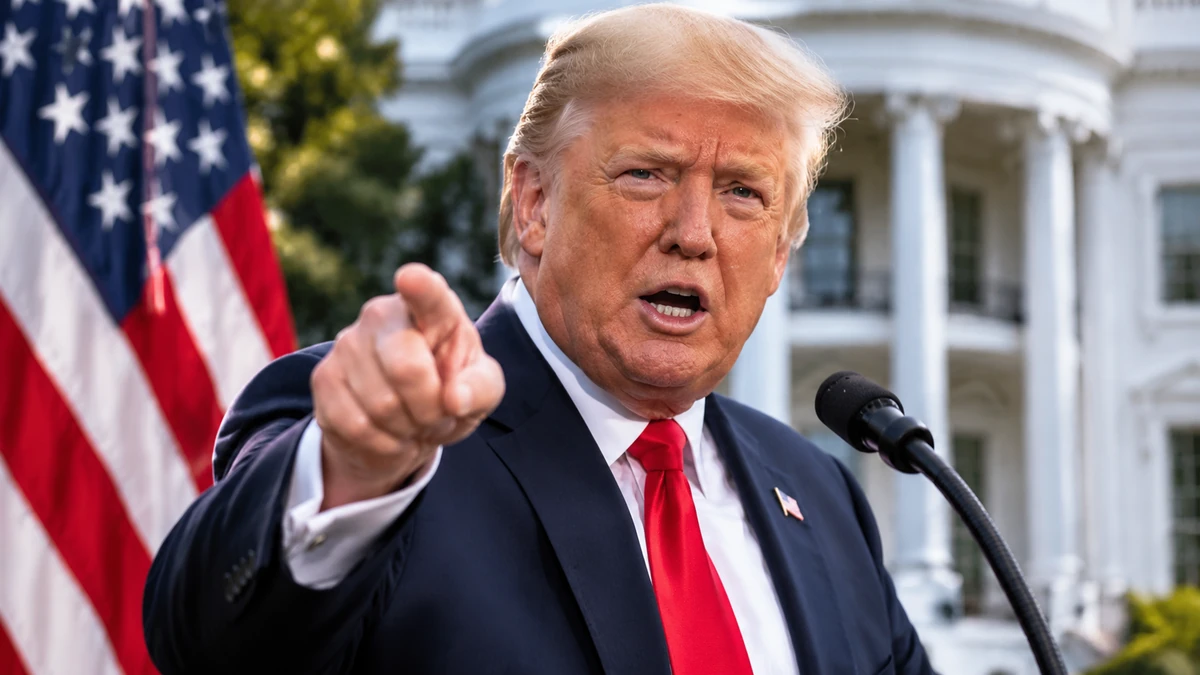
Image to help understand the article
President Donald Trump reaffirmed his hard-line immigration policy, declaring that there would be “no amnesty” after conservative backlash erupted over comments suggesting he might consider easing deportation measures following Republican losses in the midterm elections.
Speaking to reporters at the White House on Nov. 9, Trump insisted that his administration would maintain its aggressive deportation approach, reversing expectations raised during an interview with CBS’ 60 Minutes the previous day.
Trump Faces Conservative Backlash Over Immigration Remarks
During the Nov. 8 interview, Trump identified immigration policy as one of the factors behind the Republican Party’s significant midterm election losses. He also suggested that workers who had lived in the United States for many years deserved some protection from deportation, raising hopes that the administration might reconsider aspects of its enforcement strategy.
The remarks drew immediate criticism from conservatives. Republican Rep. Keith Self wrote on social media that the lesson of the midterm elections should not be to soften the party’s position on immigration. He added that granting any form of amnesty would betray the public’s trust.
Facing mounting criticism that he was pushing toward amnesty for undocumented immigrants, Trump rejected the possibility of a policy shift the following day.
“We have a very strong deportation policy. There is no amnesty. We're sticking with it,” Trump said, adding, “My policy has not changed.” He also denied instructing newly appointed chief of staff Stephen Miller to alter his approach. Miller was a key architect of the Trump administration’s immigration policies.
Immigration Reform Draws Support From Both Parties
Trump's reversal is not unprecedented. The New York Times has noted that he has previously appeared to retreat from hard-line positions under pressure from voters and other groups, only to return to more aggressive policies.
Calls for immigration reform are emerging not only among Democrats but also within parts of the Republican Party.
Democratic Sen. Richard Durbin said he would work with other lawmakers to pass legislation granting legal status to certain undocumented immigrants who were brought to the United States as children. He urged Trump to keep his promises.
Republican Rep. Maria Elvira Salazar has also criticized immigration enforcement, including through campaign advertising. She pointed to the landmark 1986 immigration law signed by Republican President Ronald Reagan, arguing that Trump could build on that legacy through historic immigration reform.
Political Opportunity for Broader Reform
Trump's changing position has prompted criticism that he may be missing an important opportunity to build political consensus on immigration reform.
Immigration expert Andrea Flores said Trump had already fundamentally changed the political debate over immigration, leaving Democrats on the defensive since he took office. She argued that the administration's aggressive mass deportation strategy had created room for a broader discussion extending beyond border security.
Flores said Trump could have become the president who maintained border security while also legalizing the status of millions of undocumented immigrants. His renewed rejection of amnesty, however, leaves that possibility uncertain.
Comments
Post a Comment