At 10 Years, K-pop Group SF9 Bets on Staying Power — and on a U.S. Audience That Now Understands What Longevity Means
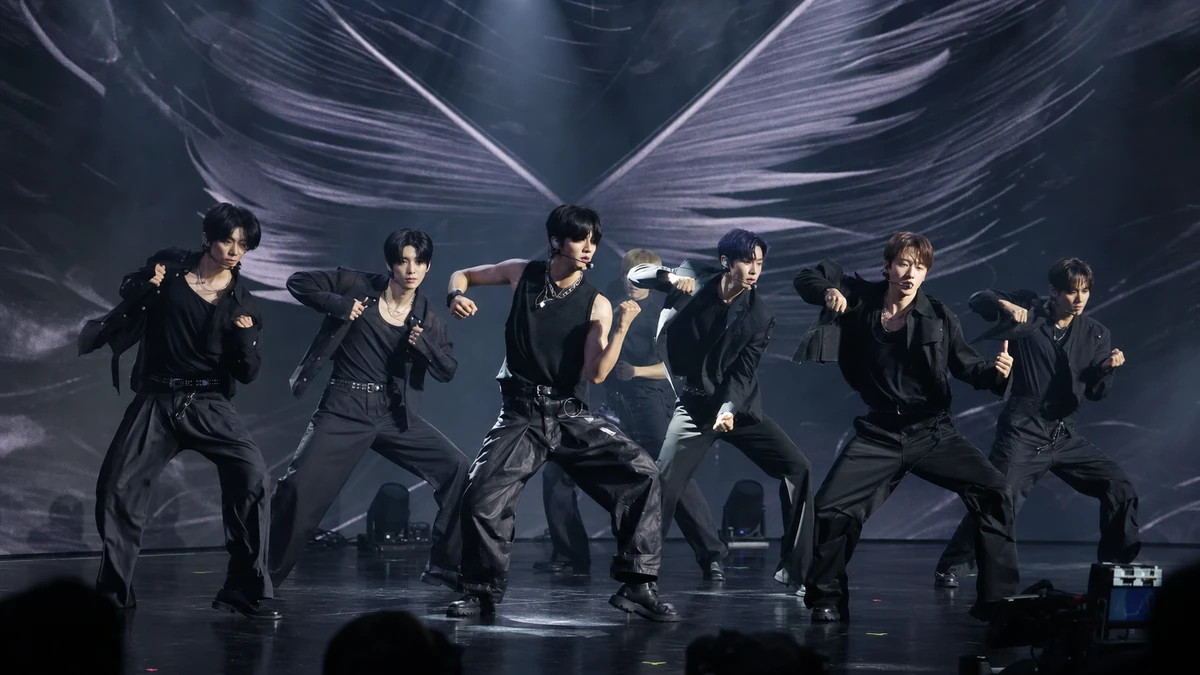
Image to help understand the article
A K-pop anniversary that looks forward, not back
In pop music, milestone anniversaries often come wrapped in nostalgia. American fans know the formula well: a greatest-hits package, a reunion tour, a few sentimental interviews about how fast time has passed. But when the South Korean boy band SF9 marked its 10th debut anniversary this week with the release of its second full-length album, TENACITY, the message coming out of Seoul was notably different. This was not framed as a farewell lap or a commemorative scrapbook. It was presented as a statement of intent.
At a showcase in Seoul, the group described its decade together as an honor, while emphasizing that it does not want to linger in anniversary sentiment. Instead, members cast the album as a fresh starting line. That distinction matters in K-pop, where anniversaries can carry unusual weight. The industry moves at a relentless pace, with new groups launching constantly, trends turning over quickly, and careers often shaped by contract cycles, military service obligations for male idols and the physical strain of nonstop promotional schedules. Making it to the 10-year mark is an achievement in itself. Reaching it with the language of ambition rather than closure is something more specific.
The title TENACITY says a great deal about how SF9 wants this moment understood. The word signals persistence, grit and a refusal to back down. That is more than branding. It is a way of explaining the group’s survival in an industry that can be as unforgiving as any corner of American entertainment. Rather than treating “10 years” as a trophy, SF9 is pointing to the attitude that made those years possible. For English-speaking readers less familiar with K-pop’s internal rhythms, that may be the most important thing to understand: this comeback is not just about longevity. It is about claiming relevance in the present tense.
That framing also fits a broader change in K-pop itself. The genre has become so global, and so commercially important, that veteran groups now face a different question from the one their predecessors faced a decade ago. It is no longer simply whether they can last. It is whether they can redefine what lasting looks like in a field once associated mainly with youth, speed and constant replacement. SF9’s comeback arrives in that conversation.
Why a full-length album matters after six years
The release carries extra significance because it is SF9’s first full-length studio album in six years, following FIRST COLLECTION in 2020. In K-pop, that gap matters. The industry is built heavily around singles, mini-albums and tightly packed promotional cycles. Full albums are still important, but they often function differently than they do in the classic American rock tradition, where the album has long been treated as the core artistic statement. In K-pop, a full-length record can signal scale, confidence and a desire to organize a broader narrative around an artist’s current identity.
That appears to be the role TENACITY is meant to play. By returning to the format after several years, SF9 is not merely adding another release to its catalog. The group is using the larger canvas of an album to take stock of where it has been and where it intends to go next. The timing makes the project feel heavier than a routine comeback. This is a checkpoint album, but not in the museum sense. It is more like a strategic relaunch.
That distinction will sound familiar to American readers who follow pop and entertainment industry cycles. U.S. artists, too, often use a major album after a long interval to reset the narrative around their careers. The difference in K-pop is that the pressure can be even more concentrated, because fans, agencies and media all read “comebacks” as tests of momentum. A long gap can create anticipation, but it can also sharpen doubts about a group’s place in the market. When SF9 members say they prepared this release with an all-in mindset, they are speaking to that reality.
There is also a practical reason a project like this resonates. In every music business, longevity is easier to celebrate than to sustain. It takes money, coordination, health, loyalty and timing. It also takes a convincing answer to the question of why listeners should pay attention now, not just why they cared before. A 10th anniversary album can easily become a souvenir. SF9 is trying to make TENACITY read instead as evidence that the group still sees itself as an active competitor.
That is why the comeback lands as more than a ceremonial event. It is a test case for whether a second-generation or early third-generation-era K-pop act — depending on how one maps the rapidly evolving generations of the genre — can turn endurance into a selling point without sounding static. In other words, can experience itself become part of the appeal? SF9 is betting that it can.
What “tenacity” means in the culture of K-pop
To American audiences, the language of perseverance may sound ordinary. Every pop act talks about hard work. But in K-pop, words like “tenacity” and “persistence” carry specific cultural weight. The idol system in South Korea is famously demanding. Trainees can spend years preparing before debut, then enter a public life defined by intense scrutiny, tightly managed schedules and an unusually close relationship with fans. The work is collective as much as individual. A group’s identity depends not only on its music, but on choreography, variety show appearances, fan meetings, social media interaction and the image of teamwork itself.
That helps explain why SF9’s members reportedly linked their 10-year milestone not only to their own discipline, but to the people around them. One member credited the fandom, known as Fantasy, as a central reason the group endured. Another thanked company staff and family members, noting that no one keeps a career going for a decade entirely alone. For readers who do not live inside K-pop culture, fandom names can seem like a quirky detail. In fact, they are a meaningful part of the relationship structure between artists and audiences. A fandom name is not just a label; it is a shared identity, a form of belonging and often a key engine of commercial support.
That matters because K-pop is built on a level of fan participation that is more organized and visible than what many Americans associate with mainstream pop, even though U.S. fandoms have become increasingly mobilized online. Fans stream music strategically, buy multiple physical albums, coordinate trending campaigns and show up for events with a sense of mission. When SF9 thanks Fantasy for helping sustain the group, that is not empty flattery. It reflects the economic and emotional infrastructure of the business.
At the same time, the group’s language of gratitude broadens the story beyond fandom. It points to the collaborative labor behind idol careers — managers, stylists, choreographers, publicists, family support systems and many others whose work is mostly invisible to casual listeners. That makes this anniversary feel less like a self-congratulatory celebration than an acknowledgment of the network required to keep a group intact over time.
There is a subtle but important cultural point here as well. South Korean public language around success often places visible emphasis on collective effort, humility and recognition of those who made an achievement possible. That does not mean stars are insincere when they speak about ambition; rather, ambition is often presented in relation to responsibility and gratitude. SF9’s anniversary messaging fits that pattern. The group is not saying only, “We survived.” It is saying, “We kept going together.”
What this means in the United States
For the United States, SF9’s return is less about one album than about what it reveals regarding the maturation of K-pop’s market abroad. American music consumers are no longer encountering Korean pop as a novelty. The genre now has a durable place in U.S. touring, streaming, fan commerce and entertainment media. That shift creates room not just for breakout rookies, but for veteran acts that want to deepen or renew their international footprint.
That is where SF9’s 10th anniversary becomes relevant for American audiences and companies. Over the past decade, U.S. music business players — promoters, labels, merch companies, streaming platforms and venue operators — have learned that K-pop fandom is not a niche side story. It is a reliable source of demand. Fans travel, buy premium tickets, engage heavily online and treat artist milestones as major events. A group emphasizing longevity and commitment can appeal strongly in that environment, especially as American listeners become more sophisticated about K-pop beyond its biggest household names.
There is also a useful comparison to be made with the U.S. pop industry. American boy bands have long faced a particular life cycle: explosive youth-oriented success, a period of fragmentation, then either a reinvention or a nostalgia-driven return. Think of the way Backstreet Boys or New Kids on the Block evolved from teen phenomena into legacy acts with multigenerational audiences. K-pop groups operate under different industrial conditions, but the challenge is similar. How do you age in public while keeping your core fan base and inviting new listeners who did not arrive for the original moment?
SF9’s answer, at least in this comeback, is not to deny time passing but to reinterpret it as proof of credibility. That can resonate in the American market, where longevity is often framed as authenticity. U.S. audiences may not know every detail of K-pop contract structures or fan culture, but they understand the appeal of artists who have weathered industry churn. In a saturated streaming landscape where songs appear and vanish at high speed, endurance itself can become a differentiator.
The broader U.S.-Korea relationship adds another layer. Cultural exports have become one of South Korea’s most visible forms of soft power in America, alongside technology brands, film, television and food. K-pop’s growth in the United States has helped normalize deeper engagement with Korean language, fashion and entertainment norms among young Americans. Every veteran group that remains active contributes to that ecosystem. Not every act will break into the mainstream at the same level, but their presence strengthens the bench. For American companies working with Korean entertainment, a healthier field of mid-career and veteran artists means more stable long-term business opportunities — from touring and licensing to brand partnerships and fan-platform commerce.
That is why this comeback deserves attention beyond fan circles. It suggests that the next phase of K-pop in the United States may be less about discovering whether the genre can travel and more about determining which kinds of careers can be sustained across borders. If K-pop’s first major American chapter was about breakthrough visibility, the next one may be about durability.
A changing industry where veterans need a new script
One reason SF9’s anniversary messaging stands out is that it arrives during a period of transition for K-pop as a whole. The industry has become increasingly globalized, but global success has also made competition fiercer. New groups debut into a market that is bigger than it once was, yet also more crowded. Social media accelerates exposure but shortens attention spans. International fans are better informed, but they also have more choices than ever.
In that environment, veteran groups cannot rely on the same script that worked when they debuted. Being established is not enough. They need a coherent reason for why their experience matters now. Some lean into nostalgia. Some highlight musical maturity. Some emphasize member individuality through acting, solo work or variety appearances. SF9 appears to be choosing another lane: collective persistence as a core identity.
That may sound simple, but it is a smart narrative move. Unlike “reinvention,” which can be hard to pull off convincingly, or “legacy,” which can sound retrospective, “tenacity” feels active. It frames the group as tested rather than dated. It also connects to a familiar human story that travels well internationally. Audiences in any market understand the appeal of people who continue showing up, especially in industries where the incentives often reward novelty over steadiness.
There is another reason the theme works. K-pop has often been criticized, especially by outsiders, for appearing overly manufactured or disposable. A 10-year story centered on persistence, gratitude and shared effort pushes against that stereotype. It reminds observers that idol groups are workplaces, communities and long-term professional projects, not just content pipelines. That may not erase the pressures or contradictions of the system, but it complicates simplistic readings.
For the genre’s global audience, this is increasingly important. As K-pop becomes normalized in the West, the conversation around it is broadening. The question is no longer only which songs chart or which videos go viral. There is also growing interest in career arcs, labor, fandom structures and how Korean entertainment companies manage maturity. SF9’s comeback fits naturally into that broader analytical frame.
Why fans matter so much to this story
One of the most revealing aspects of the anniversary showcase was the emphasis on fans as co-authors of the group’s decade. That is not unique to SF9, but it is especially significant here because the album’s central theme — persistence — is difficult to separate from fan loyalty. In K-pop, long careers are built not just on occasional radio play or passive streaming, but on sustained community.
For American readers, it may help to think of K-pop fandom as part fan club, part street team, part social network and part consumer base. The intensity can be misunderstood from the outside, but it is also one of the reasons the genre has expanded so effectively overseas. Fans do not simply consume; they organize. They translate, circulate clips, educate newcomers, coordinate campaigns and create a sense of event around each release. That kind of behavior can keep a group visible even when it is not dominating the general public conversation.
So when SF9 members center Fantasy in the story of the group’s 10 years, they are doing more than thanking supporters for emotional encouragement. They are acknowledging a structure of loyalty that makes continuity possible. This is one area where American entertainment companies have taken notice. In a fragmented digital market, direct fan relationships are increasingly valuable. K-pop agencies were early to understand that dedicated fandom is not a byproduct of success; it is one of success’s foundations.
That lesson has implications far beyond Korea. U.S. artists, labels and platforms have been trying in different ways to reproduce the kinds of durable engagement K-pop fandoms generate. Not every element translates cleanly across cultures, and not every American audience wants the same level of participation. But the business logic is now widely understood. A group like SF9, reaching 10 years with an active fandom identity still intact, becomes part of that larger case study.
What to watch next
The real significance of TENACITY will not be determined by anniversary rhetoric alone. It will be measured by whether SF9 can translate this moment into a sustained next chapter: stronger fan mobilization, renewed international visibility, and a convincing artistic and commercial case for why the group still matters in a hypercompetitive field. A full-length album after six years raises the stakes precisely because it invites that test.
For the U.S. market, the key question is whether veteran K-pop acts beyond the absolute top tier can continue building meaningful stateside relevance. That does not necessarily mean Billboard domination or arena-scale headlines. It may mean stable touring demand, robust fan commerce, streaming consistency and a deeper bench of Korean acts that American audiences recognize and support over time. If that develops, it would mark a more mature phase of the K-pop economy in the United States.
For SF9, the symbolism is already clear. The group has chosen to define its 10th year not by sentimentality, but by motion. In an industry that often treats youth as its most bankable asset, that is a notable stance. It suggests that staying power is not a passive condition conferred by time. It is an argument artists have to keep making.
That may be the most resonant takeaway for American readers. The global spread of K-pop has made it easy to focus on spectacle, speed and virality. SF9’s comeback points to something less flashy but arguably more important: the slow, difficult work of endurance. In pop music, as in many other businesses, a decade can mean survival. But if TENACITY is any indication, SF9 wants its 10th year to mean something harder to achieve — not just that it lasted, but that it still intends to run.
Comments
Post a Comment