Image to help understand the article
A Korean Ticket Scalping Investigation Exposes the Hidden Market Around K-Pop Superstardom
South Korean authorities have launched a criminal case against a man accused of operating a large-scale ticket resale business built around some of the biggest names in Korean entertainment. The case has drawn attention because it shows how demand for K-pop concerts has created a lucrative secondary market, where limited seats for global stars can become targets for organized resellers rather than ordinary fans.
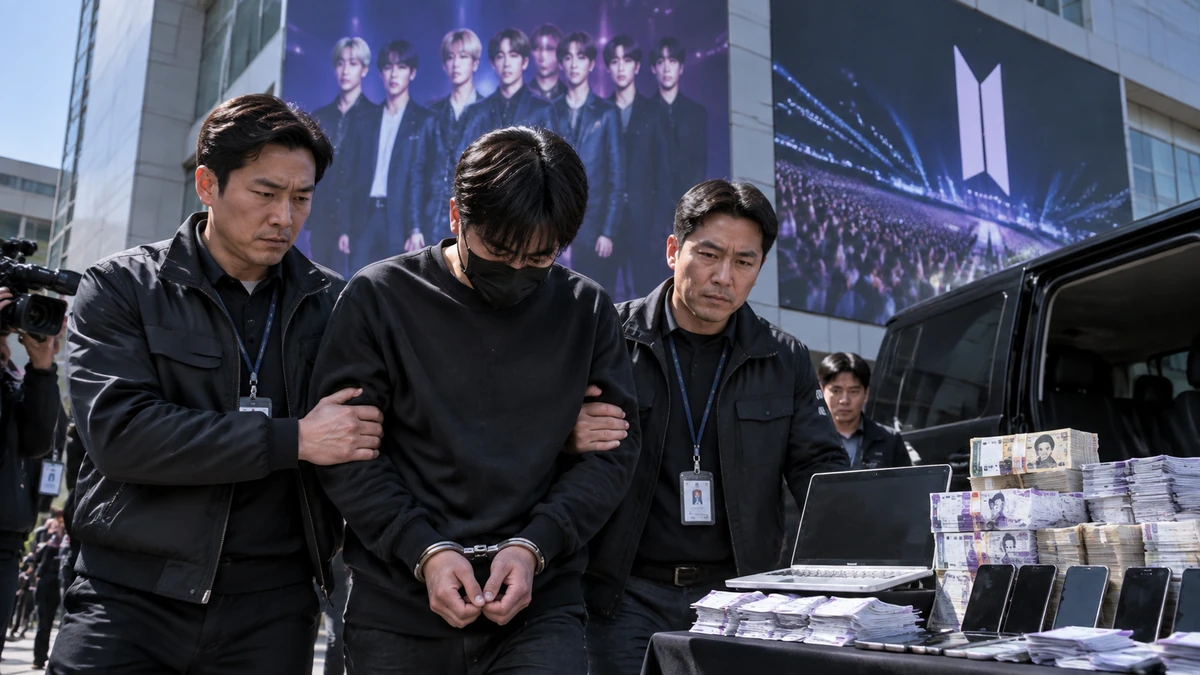
The Gyeonggi Northern Provincial Police Agency announced that a man in his 30s was sent to prosecutors after investigators alleged that he purchased thousands of tickets for popular music performances and sporting events before selling them at dramatically inflated prices. Police said the alleged operation involved 8,967 tickets acquired between September 2018 and April of this year, generating approximately 2.4 billion Korean won, or about $1.8 million, in sales.
For international audiences, the scale of the case reflects a broader challenge facing the entertainment industry worldwide. As artists such as BTS, one of the most influential groups in global pop music, have built massive international fan bases, demand for live events has often exceeded available supply. This has created opportunities for professional ticket brokers who use technology and multiple accounts to purchase tickets before fans can access them.
In South Korea, ticket scalping, known locally as amok or illegal ticket resale, has become a particularly sensitive issue because concerts are often viewed not only as entertainment but also as important cultural experiences. K-pop fandom culture places a strong emphasis on direct interaction between artists and fans, making attending a live performance a highly valued opportunity.
From 110,000 Won Tickets to 3 Million Won Resales
According to investigators, one of the most striking examples involved a BTS concert ticket originally purchased for 110,000 won, roughly $80, that was later resold for 3 million won, or more than $2,000. Police said some tickets were traded at prices nearly 30 times higher than their original cost.
The alleged reseller targeted performances by major Korean artists, including BTS and NCT, as well as sports events. These acts have large and dedicated fan communities, meaning tickets can sell out quickly after going on sale.
BTS has become a symbol of South Korea’s cultural influence abroad, comparable in global recognition to major American music acts such as Taylor Swift. Like Swift’s concerts in the United States, BTS performances have become events that attract international travel, merchandise spending and intense competition for seats.
For many fans, the issue is not simply paying more money. The concern is that automated buyers and professional resellers may remove tickets from the legitimate market before ordinary consumers have a chance to purchase them. This can change the experience from a direct connection between artists and audiences into a marketplace where access depends heavily on financial resources.
Technology and Multiple Accounts Used to Capture Tickets
Police said the suspect allegedly used automated purchasing programs, commonly known as bots or macros, along with accounts registered under family members and relatives to secure large numbers of tickets. Investigators said the tickets were then transferred through methods including changing delivery information, online transfers and exchanging admission wristbands at concert venues.
The use of automated systems has become a major issue in ticket markets around the world. In the United States, lawmakers, artists and ticketing companies have also debated how technology can allow professional buyers to gain an advantage over individual fans. The problem has appeared across music, sports and entertainment industries.
South Korea’s highly connected digital environment makes ticket transactions especially fast-moving. Many major concerts rely on online reservation platforms where thousands or even millions of fans may attempt to purchase tickets simultaneously. This creates a competitive environment where even small technological advantages can have significant financial value.
Investigators also said the suspect participated in group chats where information about ticket purchasing methods and resale activities was shared. During searches, police reportedly secured digital evidence, including USB devices and forensic materials, as part of their investigation.
Why the Case Matters for the United States and the Global Entertainment Market
The South Korean investigation carries significance for the American entertainment industry because the challenges facing K-pop are increasingly similar to those facing major U.S. performers. As Korean artists expand their presence in North America, issues surrounding fair ticket access have become part of a larger global conversation about live entertainment.
American fans have experienced similar debates during high-demand tours. Major artists in the United States have faced criticism when fans encounter extremely expensive resale prices shortly after tickets go on sale. The concerns often focus on whether tickets are reaching genuine fans or being captured by professional resellers seeking profit.
The BTS case also highlights the growing economic connection between Korean entertainment companies and the U.S. market. K-pop groups now regularly perform in major American venues, attract U.S. streaming audiences and participate in partnerships with global brands. Concert access has become an important part of how international fans experience Korean culture.
For American companies involved in entertainment technology, ticketing platforms and venue management, developments in South Korea provide another example of why anti-bot systems, identity verification and resale policies are becoming increasingly important. The entertainment industry is searching for ways to balance consumer access, artist revenue and the reality of strong market demand.
K-Pop Fandom and the Cultural Meaning of Concert Access
To understand why ticket resale creates such strong reactions in Korea, it is important to understand the role of fandom. K-pop fan communities are often highly organized networks that support artists through streaming campaigns, album purchases, social media activity and event participation.
A concert is not simply a performance in front of an audience. For many fans, it represents a rare opportunity to participate in a shared cultural moment. Fans may travel long distances, prepare special clothing or light sticks, and build friendships through the experience.
This emotional connection helps explain why authorities described illegal resale as more than a private financial transaction. Police argued that large-scale ticket manipulation can limit fair access for fans and disrupt the broader entertainment ecosystem.
The issue also reflects a changing global entertainment economy. As Korean culture reaches more countries, demand for limited experiences has increased. Concert tickets, merchandise and exclusive events have become valuable forms of cultural participation, creating new economic pressures around access.
What the Case Could Mean for Future Concert Markets
South Korean authorities said the investigation will continue and that efforts will be made to track suspected illegal resale activities and recover profits connected to the alleged crimes. Police also said they had taken steps to preserve assets linked to the investigation, including real estate and other holdings.
The case demonstrates how governments and entertainment companies are responding to a changing market where digital tools can amplify both opportunity and abuse. As artists become more globally popular, protecting access for ordinary fans is likely to remain a major challenge.
For the United States and other international markets, the Korean experience offers a useful example of how quickly secondary ticket markets can grow around cultural phenomena. K-pop’s global success has created new opportunities for artists and businesses, but it has also created new questions about fairness, technology and consumer protection.
The future of live entertainment may depend on finding systems that allow passionate fans to participate while limiting practices that turn cultural experiences into exclusive financial commodities. As Korean artists continue expanding worldwide, the debate over who gets access to the concert experience will likely continue far beyond South Korea.
Comments
Post a Comment