
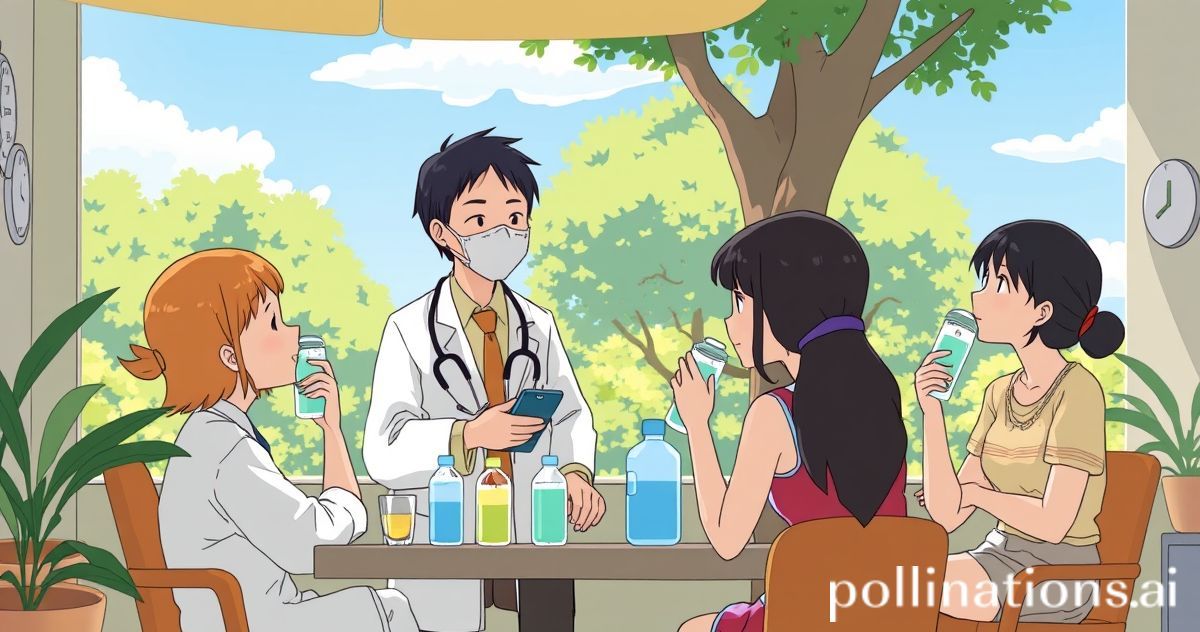
South Korea is experiencing an unprecedented surge in heat-related illnesses as extreme temperatures grip the nation in early July. According to the Korea Disease Control and Prevention Agency (KDCA), over 800 cases of heat-related illnesses have been reported this year, representing an 83% increase compared to the same period last year. Medical professionals emphasize the critical importance of proper health management as the heatwave is expected to continue.
Types and Symptoms of Heat-Related Illnesses
Heat-related illnesses are broadly categorized into heat stroke, heat exhaustion, and heat cramps. Heat stroke is the most dangerous form, where body temperature rises above 40°C (104°F) and can cause loss of consciousness, requiring immediate emergency treatment.
Heat exhaustion occurs when body temperature rises between 37-40°C (98.6-104°F), accompanied by symptoms such as headache, dizziness, and vomiting. Heat cramps involve muscle spasms, typically affecting the legs or abdominal muscles.
Emergency medicine specialists stress that early symptoms include thirst, dizziness, fatigue, and headache. If these symptoms appear, individuals should immediately move to a cool area, rest, and replenish fluids. Particularly, if consciousness becomes unclear or vomiting persists, emergency services should be contacted immediately.
High-Risk Groups and Prevention Methods
Adults over 65, chronic disease patients, outdoor workers, and infants are classified as high-risk groups for heat-related illnesses. Particularly, patients with diabetes, cardiovascular disease, and kidney disease have reduced thermoregulatory abilities and require extra caution.
For prevention, adequate fluid intake is paramount. It's recommended to drink water before feeling thirsty, with a daily intake of 1.5-2 liters of water continuously. However, beverages containing alcohol or caffeine should be avoided as they can promote diuresis and worsen dehydration.
During outdoor activities, avoid the time period from 10 AM to 4 PM, and when unavoidable, take rest breaks in shade every 30 minutes. Wearing loose, light-colored clothing helps prevent body temperature rise.
Proper Hydration Methods
Rather than drinking just water, consuming sports drinks containing electrolytes is more effective. When sweating heavily, sodium, potassium, and other electrolytes are also lost.
At home, you can make a simple oral rehydration solution by adding 2 tablespoons of sugar and 1 teaspoon of salt to 1 liter of water. Consuming fruits and vegetables high in water content, such as watermelon and cucumber, is also helpful.
However, patients with kidney or heart disease should consult their physicians before determining appropriate fluid intake levels, as excessive water consumption may be burdensome.
Indoor Environment Management
In homes without air conditioning, fans can be used along with wet towels to lower perceived temperature. Installing curtains or blinds on windows to block direct sunlight is also effective.
When using air conditioning, maintain indoor-outdoor temperature differences within 5-6°C. Sudden temperature changes can actually burden the body. Also, be careful that air conditioning airflow doesn't directly hit the body.
At night, maintain indoor temperature at 26-28°C and appropriate humidity (50-60%) to aid sleep.
Emergency Response Procedures
When heat illness symptoms appear, immediately move the patient to a cool place and loosen their clothing. If conscious, have them slowly sip cool water, and apply cold towels to the neck, armpits, and groin to lower body temperature.
If unconscious or vomiting, never give water and immediately call emergency services. Position the patient on their side to prevent airway obstruction.
Heat stroke can cause brain damage or organ damage, making immediate emergency treatment within the golden hour extremely important.
Workplace and School Measures
Outdoor worksites should adjust working hours and provide adequate rest periods. The Ministry of Employment and Labor recommends suspending outdoor work between 2-5 PM when heat warnings are issued.
Schools should consider changing outdoor physical education classes to indoor activities or adjusting schedules. Additionally, careful attention should be paid to water fountain management and providing cool water for students to consume adequate fluids.
Special Situational Precautions
When driving, pre-cool the car interior with air conditioning before boarding. Never leave children or pets alone in vehicles. Summer temperatures inside closed cars can rise above 50°C in just 10 minutes.
When exercising, choose early morning or evening hours and reduce exercise intensity compared to usual. Replenish fluids every 15-20 minutes during exercise, and stop immediately if feeling dizzy or nauseous.
Government Response Measures
The government is expanding cooling center operations in response to the heatwave. Major public facilities, welfare centers, and community centers nationwide are designated as cooling centers for free public use.
Additionally, safety check services for elderly living alone and vulnerable populations are being strengthened, and promotional activities for heat illness prevention continue.
The emergency medical system has also switched to special heatwave response operations to enable rapid response to heat illness patients.
Expert Advice Summary
- Prevention is the best medicine - limit unnecessary outdoor activities during heat warnings
- Stay hydrated before feeling thirsty - aim for 1.5-2 liters daily
- Recognize early symptoms and respond immediately
- Create support networks to check on family and neighbors
- High-risk groups should consult physicians for personalized heat management plans
Medical professionals emphasize that prevention is paramount. When heat warnings are issued, limiting unnecessary outdoor activities and making adequate preparations before going out is crucial. They add that heat-related illnesses can affect anyone, so it's important not to overestimate one's condition and to respond immediately upon noticing any abnormal symptoms.
As the heatwave is expected to continue, both individual health management efforts and society-wide attention and consideration are needed at this critical time.
Original article: https://trendy.storydot.kr/health/heatwave-health-management-tips-2025/


0 Comments