
Seoul apartment market is entering what analysts describe as a supercycle phase, driven by interest rate cuts and supply shortages that are expected to create strong momentum in the second half of 2025. This represents a significant shift from the cooling measures and price stabilization efforts that have characterized Korean real estate policy in recent years.
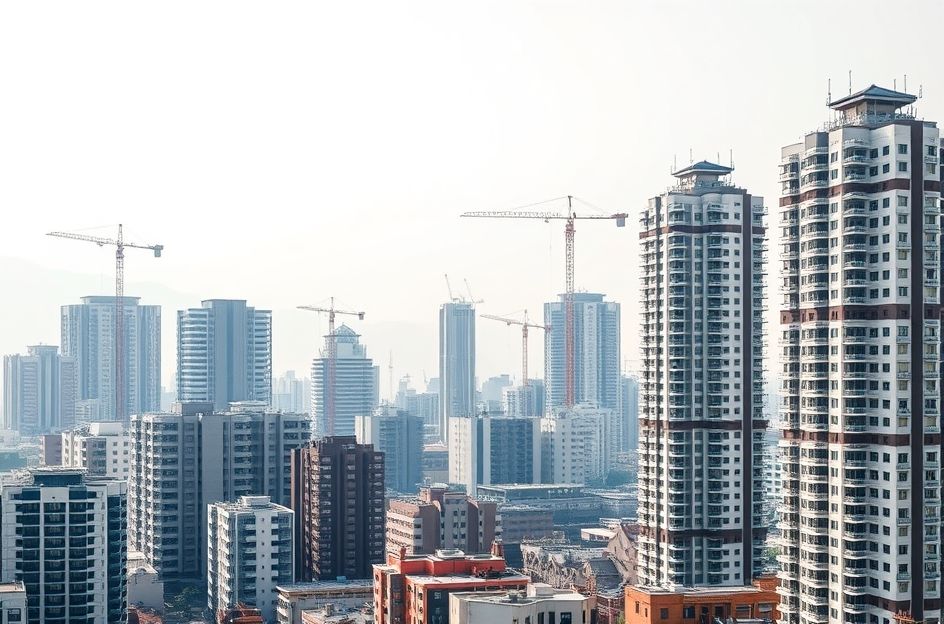
For American readers, Seoul real estate market dynamics share similarities with high-cost U.S. metropolitan areas like San Francisco, New York, or Seattle, but with unique Korean characteristics. While U.S. markets are primarily driven by local economic conditions and federal monetary policy, Seoul market is heavily influenced by government housing policies, concentrated urban development, and cultural preferences for apartment living that differ significantly from American suburban housing patterns.
Interest Rate Cuts Create Favorable Market Environment
The Bank of Korea recent shift toward accommodative monetary policy, with the benchmark rate moving from 3.0% to 2.5% and expectations for further cuts, is creating a favorable environment for real estate investment and homebuying. This monetary easing cycle resembles the Federal Reserve policies following economic downturns, though South Korea approach focuses more on supporting economic growth while managing housing affordability.
Real estate experts are characterizing the first half of 2025 as an optimal home purchasing period, anticipating 2-3 additional rate cuts. For perspective, a 1% rate decrease on a typical Seoul apartment mortgage (approximately 00,000 to .2 million) can reduce monthly payments by 00-600, significantly impacting affordability for middle-class buyers.
The interest rate environment is particularly crucial in Seoul, where apartment prices average 8-12 times annual household income—similar to San Francisco Bay Area ratios. Even small rate changes have outsized impacts on buyer psychology and market liquidity in such high-price environments.
Unlike U.S. markets where 30-year fixed mortgages dominate, Korean mortgages typically feature variable rates tied to benchmark policy rates, making buyers more immediately sensitive to central bank decisions. This creates faster transmission of monetary policy to housing demand than typically seen in American markets.
Supply Shortage Intensifies Market Dynamics
Seoul faces an acute apartment supply shortage for 2026-2027 move-ins, creating a fundamental supply-demand imbalance that supports price expectations. New apartment construction has slowed significantly due to regulatory restrictions and construction cost increases, while household formation and urbanization continue driving demand.
The supply shortage is concentrated in prime areas of Seoul, particularly Gangnam, Seocho, and Songpa districts—areas comparable to Manhattan Upper East Side or Beverly Hills in terms of desirability and price levels. These areas command premium prices (-4 million for typical family apartments) but offer limited new supply due to development restrictions.
For American readers, Seoul housing supply constraints differ significantly from typical U.S. suburban development patterns. While American cities can often expand outward, Seoul geographic constraints (mountains, rivers, and North Korean border) limit expansion, intensifying competition for existing urban areas. This creates more rigid supply dynamics than most U.S. metropolitan areas experience.
The government previous cooling measures, including heavy transfer taxes and lending restrictions, have also reduced speculative activity but simultaneously discouraged new development, contributing to current supply tightness. This represents an unintended consequence of well-intentioned affordability policies.
Jeonse System Adds Unique Market Dynamics
Seoul real estate market features the unique jeonse system—large, refundable deposits (typically 60-80% of property value) in lieu of monthly rent—which creates distinctive market dynamics not found in American real estate. Rising jeonse deposit requirements are pushing many renters toward homeownership, adding demand pressure to the purchase market.
Jeonse deposit increases effectively function as stealth price increases, as landlords benefit from higher deposit amounts they can invest during lease terms. This system links rental and purchase markets more directly than in the U.S., where rental and ownership markets often move independently.
For American readers, imagine if renters typically paid 00,000-500,000 deposits instead of monthly rent—this creates enormous capital requirements for renters and powerful incentives for homeownership when mortgage rates decline. The jeonse system amplifies the impact of interest rate changes on housing demand.
Market Outlook and Policy Implications
Real estate analysts expect Seoul apartment transaction volumes to recover before prices, with distinct regional and property-type differentiation becoming more pronounced. Prime area apartments may see immediate price strength, while peripheral areas could experience longer adjustment periods.
Commercial real estate sectors are also positioning for recovery. Seoul premium office market expects continued rental growth due to limited supply, while logistics real estate anticipates relief from oversupply concerns as 2025 supply increases moderate significantly.
However, the market faces headwinds from changing consumer behavior and economic uncertainty. Value-conscious consumption trends amid high inflation and domestic demand weakness are pressuring retail real estate, while political uncertainty and global economic slowdown fears create additional risk factors.
For American investors and policy observers, Seoul real estate market offers insights into how monetary policy transmission affects property markets in developed Asian economies. The emphasis on transaction volume recovery before price appreciation reflects lessons learned from previous market cycles and regulatory experiences unique to Korean housing policy.
The Korean government faces the classic policy dilemma of supporting economic growth through easier monetary policy while managing housing affordability concerns. Unlike the U.S., where housing policy varies significantly by state and local jurisdiction, Korea unified approach allows for more coordinated national housing strategies but also creates more pronounced nationwide market movements.
Source: Original Korean article


0 Comments