
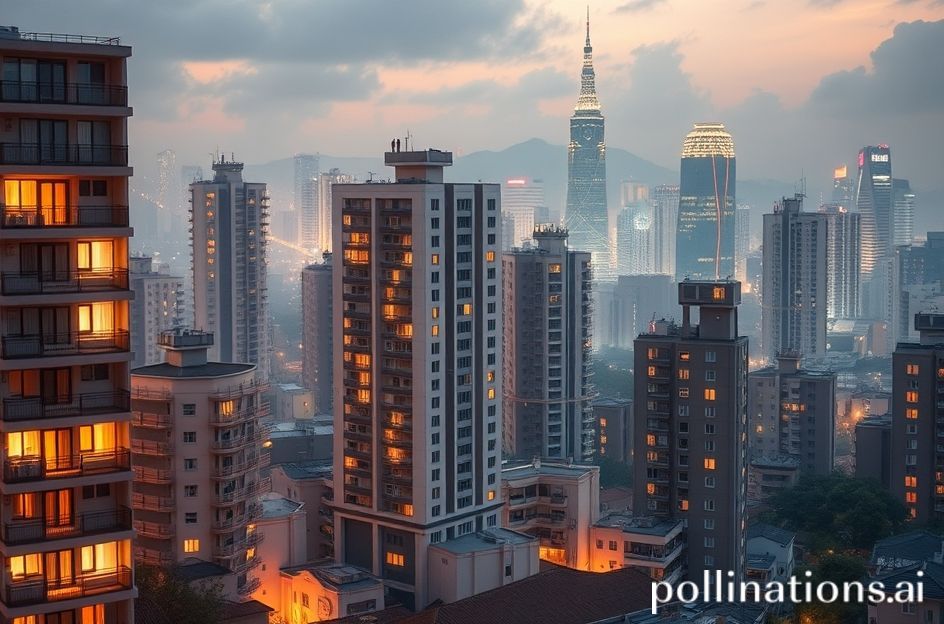
Seoul Real Estate Market Freezes Again as Loan Regulations Tighten in September 2025
Seoul's apartment market is experiencing another cooling phase in September 2025, just months after a summer surge in transaction volumes. The implementation of the second phase of Debt Service Ratio (DSR) regulations, combined with broader lending restrictions, has significantly dampened market activity and buyer sentiment across South Korea's capital city.
For American readers unfamiliar with Seoul's real estate dynamics, imagine if New York City implemented strict mortgage lending caps that immediately reduced qualified buyers by 40-50%. The DSR system limits how much of a borrower's income can go toward debt payments, similar to debt-to-income ratios in the US, but with more stringent government oversight and immediate market-wide implementation.
DSR Phase 2 Implementation Creates Immediate Market Impact
The September implementation of DSR Phase 2 regulations has created an immediate and measurable impact on Seoul's apartment transaction volumes. Under this system, financial institutions must now establish annual household debt management plans, effectively reviving what industry experts call a "loan quota system" - a practice that would be equivalent to the US government directly controlling bank lending volumes for residential mortgages.
This regulatory environment represents a significant shift from typical market-driven lending practices seen in Western economies. While the US Federal Reserve influences lending through interest rates and reserve requirements, South Korea's approach involves direct transaction-level oversight and borrower qualification restrictions that can change monthly based on policy objectives.
The regulatory tightening has particularly affected Seoul's high-value apartment auction market, which had already been struggling since the June 27 lending restrictions. Industry analysts report that qualified buyer pools have shrunk dramatically, with some premium neighborhoods seeing 60-70% fewer potential purchasers compared to summer 2025 levels.
Seoul's housing market operates quite differently from major US cities like San Francisco or Boston. In Seoul, over 60% of residents live in high-rise apartment complexes within designated residential districts, compared to the mixed housing types common in American cities. These apartment complexes, often housing thousands of families, create concentrated wealth effects and price volatility that can shift entire neighborhood markets overnight.
Complex Market Variables Shape 2025 Real Estate Landscape
Seoul's real estate market currently faces competing pressures that create a complex investment environment for both domestic and international observers. Supply-side constraints represent the most significant upward pressure on prices, with apartment delivery volumes expected to decrease dramatically between 2026-2027.
This "supply cliff" phenomenon began in 2025 as new apartment project approvals declined sharply over the previous three years. For American readers, imagine if Manhattan suddenly had 70% fewer new housing units scheduled for completion over the next two years while population and employment continued growing. The resulting supply-demand imbalance would create similar upward price pressures seen in Seoul today.
Additional upward factors include rising jeonse prices (Korea's unique lease deposit system where tenants pay large lump sums instead of monthly rent), expectations of lower interest rates, and currency fluctuations affecting construction costs. The jeonse system, unique to Korea, involves deposits often ranging from $300,000 to $800,000 (400-1 billion won) for premium Seoul apartments, creating capital requirements that directly compete with purchase financing.
Counterbalancing these upward pressures are significant downward factors including broader economic recession concerns, fatigue from rapid price increases in summer 2024, persistently high absolute price levels, and the newly implemented lending restrictions. Seoul apartment prices average approximately $1.2-2.5 million (1.5-3.5 billion won) for typical family units, making homeownership increasingly challenging for middle-class households.
Market observers expect the cyclical pattern of rises and declines that has characterized Seoul real estate since late 2022 to continue throughout 2025. This volatility differs markedly from the more stable, gradual appreciation patterns typical of established US metropolitan markets like Chicago or Houston.
Government Policy Emerges as Primary Market Driver
Industry experts identify government policy as the most significant variable affecting Seoul's 2025 housing market, a level of direct government influence that would seem unusual to American real estate investors. The South Korean government announced supply expansion plans targeting an additional 112,000 housing units annually in the greater Seoul metropolitan area through 2030.
These supply initiatives include stopping public land sales by Korea Land and Housing Corporation (LH) and converting to direct development projects, repurposing non-residential land for housing development, and enabling conversion of vacant commercial and office spaces to residential use. For context, this would be equivalent to the US federal government directly developing housing projects across the New York metropolitan area while simultaneously controlling mortgage lending standards.
However, the timeline for these supply increases remains uncertain, with actual delivery likely delayed by 3-5 years due to approval processes, construction timelines, and infrastructure development requirements. This creates a prolonged period where demand continues outpacing supply despite policy announcements.
The construction industry has actively lobbied for policy adjustments, specifically requesting elimination of loan quota systems and reduced mortgage rates for non-homeowners. Industry representatives argue that current restrictive lending practices accelerate market contraction and could create long-term affordability crises for first-time buyers.
Looking ahead, Seoul's real estate market trajectory through late 2025 will depend primarily on three factors: specific government policy directions, potential additional interest rate cuts, and the actual implementation intensity of DSR regulations. Market participants are expected to maintain cautious positioning while monitoring government policy signals, creating a wait-and-see environment that could persist through the remainder of 2025.
For international observers and potential investors, Seoul's real estate market represents a unique case study in direct government market intervention combined with supply constraints and demographic pressures that create both opportunities and risks distinct from typical Western real estate investment environments.


0 Comments