Iran-US Ceasefire Declaration in 2025! Understanding 70 Years of Complex and Uncomfortable History Made Simple
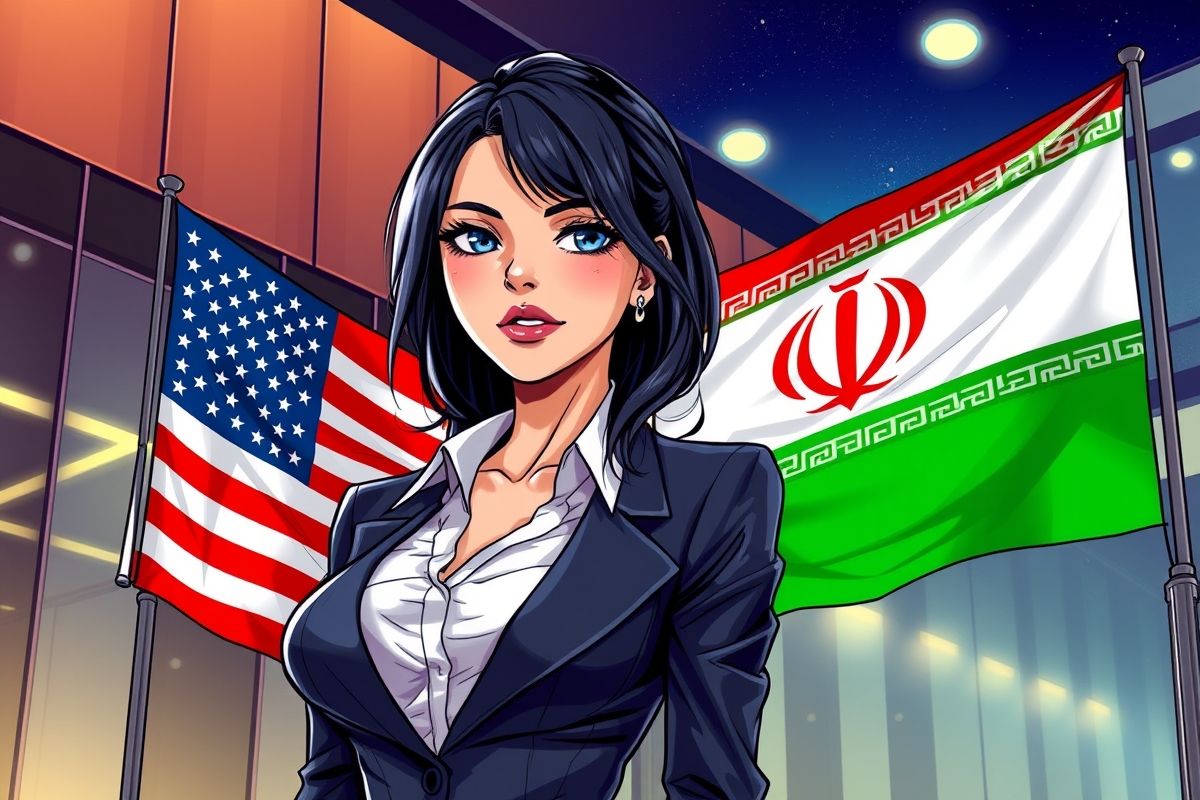 On June 28, 2025, US President Trump made a dramatic announcement that Israel and Iran had agreed to a ceasefire, bringing an end to 12 days of sustained tension. However, this incident is not merely a Middle Eastern conflict but an extension of 70 years of complex and uncomfortable history between the United States and Iran.
To understand today's conflicts, we need to look back at how these two nations went from being 'best friends' to 'sworn enemies.'
On June 28, 2025, US President Trump made a dramatic announcement that Israel and Iran had agreed to a ceasefire, bringing an end to 12 days of sustained tension. However, this incident is not merely a Middle Eastern conflict but an extension of 70 years of complex and uncomfortable history between the United States and Iran.
To understand today's conflicts, we need to look back at how these two nations went from being 'best friends' to 'sworn enemies.'
1953: The Starting Point of All Conflicts

To understand US-Iran relations, we must go back to August 19, 1953. This date is one of the most important in modern Iranian history, when the CIA-led 'Operation Ajax' was executed.
At that time, Iranian Prime Minister Mohammad Mosaddegh was trying to nationalize Iran's oil, which had been monopolized by Britain. His argument that Iran's oil should belong to Iran seemed reasonable by today's standards. However, to the United States during the Cold War, it looked different.
Reasons for US Intervention:
• Concerns that Mosaddegh might become a communist
• Prevention of Soviet influence expansion
• Protection of Western oil interests
• Ensuring Middle East regional stability
Eventually, through CIA and British MI6 operations, the Mosaddegh government fell, and Reza Shah of the Pahlavi dynasty returned to power. This event was etched in Iranian minds as 'Western betrayal' and remains the root of distrust toward America to this day.
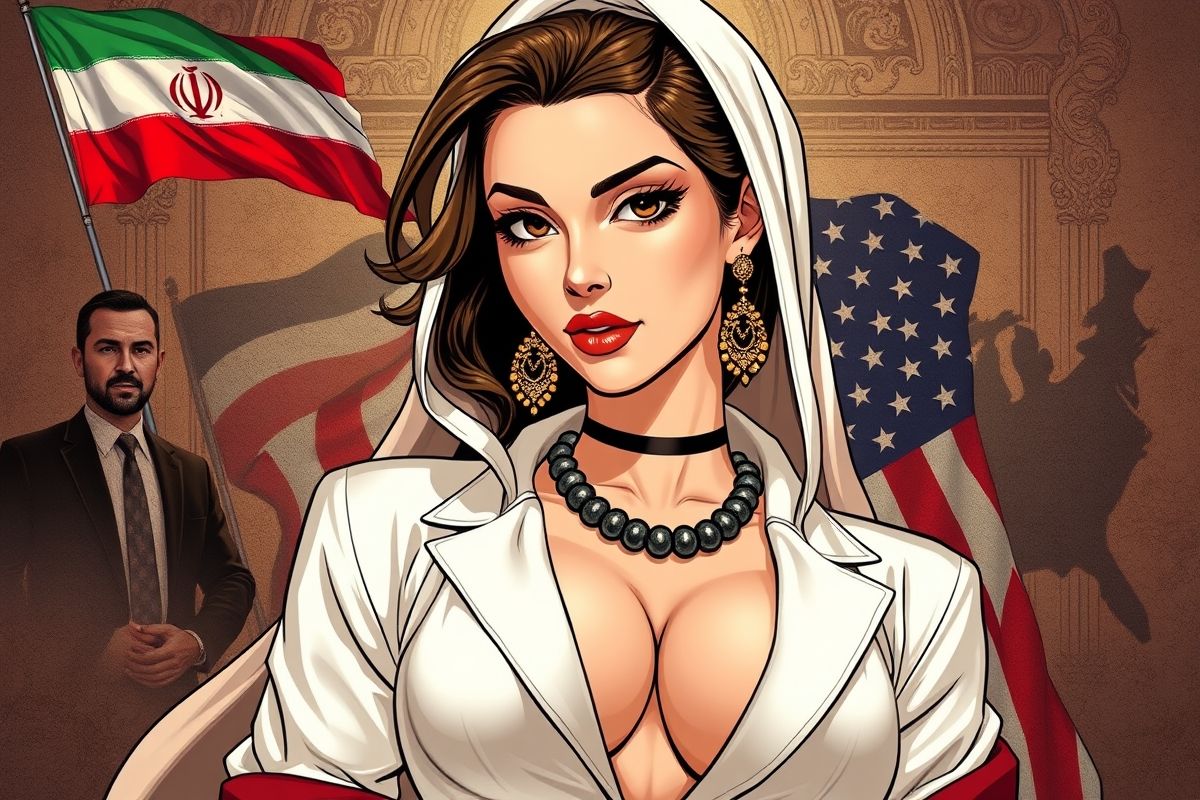
1953-1979: The Golden Years of US-Iran Relations
Ironically, the 26 years from 1953 to the 1979 revolution were the closest period between the United States and Iran.
For the United States, Iran was:
• The 'Middle East police' that kept the Soviet Union in check
• A stable oil supplier
• The largest customer for weapons exports
• A key partner in Middle East strategy
For Iran, the United States was:
• A partner in modernization
• A provider of military technology
• An ally in economic development
• A protector of the monarchical system
During this time, the Pahlavi dynasty, with full US support, implemented the massive modernization policy called the 'White Revolution.' Women's suffrage was expanded, land reform was carried out, and education was improved. However, this process accumulated opposition from traditional Islamic forces and the masses.

1979: The Decisive Moment of Relationship Reversal
The 1979 Iranian Islamic Revolution completely transformed US-Iran relations. Islamic forces led by Ayatollah Khomeini toppled the Pahlavi dynasty and seized power.
Reasons for the Revolution:
• The Shah regime's dictatorship and corruption
• Religious backlash against rapid Westernization
• Deepening economic inequality
• Accumulated anti-American sentiment
• Concerns about traditional culture destruction
The most shocking event occurred immediately after the revolution. On November 4, 1979, Iranian university students occupied the US Embassy in Tehran and held 52 Americans hostage for 444 days.
This incident was an enormous shock to the American people. Every evening news showed captions reading 'Hostage Crisis Day ○○,' and it dealt a fatal blow to President Jimmy Carter's political life.
1980s: The Cold War and Iran-Iraq War
The Iran-Iraq War, which lasted eight years from 1980 to 1988, further complicated US-Iran relations. America's Dilemma: • Wanting to contain Iran but... • Unable to trust Iraq's Saddam Hussein either • Blocking Soviet Middle East expansion was the priority • Need to ensure oil supply stability Eventually, the United States adopted a 'dual containment' strategy. While officially maintaining neutrality, it provided intelligence and weapons to Iraq. Simultaneously, it secretly sold weapons to Iran, showing a duplicitous approach.2020: Soleimani Assassination and War Crisis
On January 3, 2020, the US military assassinated Iranian Quds Force Commander Qasem Soleimani with a drone at Baghdad Airport in Iraq. This incident brought US-Iran relations to the brink of war. Soleimani was a figure with influence second only to Khomeini in Iran. Iran immediately announced retaliation and actually launched missile attacks on US bases in Iraq.Why the Conflict Continues
The roots of the 70-year US-Iran conflict are very deep and complex. Structural Factors: 1. Geopolitical Interests • US: Maintaining Middle East hegemony, protecting Israel • Iran: Expanding influence as a regional power 2. Ideological Opposition • US: Liberal democracy, market economy • Iran: Islamic republic, anti-Western sentiment 3. Historical Grievances • Trauma from the 1953 coup • Shock from the 1979 hostage crisis • Decades of sanctions and isolation"Those who do not know history are doomed to repeat the same mistakes." - George Santayana The conflict between the United States and Iran is a complex conflict created by historical, cultural, and religious differences that go beyond simple political opposition.
Future Outlook
The 2025 ceasefire declaration is likely a temporary solution. Without resolving fundamental conflict factors, tensions could escalate again at any time. Points We Should Watch: • Possibility of new nuclear negotiations • Changes in Middle East regional situation • Global energy market trends • International mediation efforts The relationship between the United States and Iran is not just a problem between two countries. It is one of the most important international relationships of the 21st century, directly connected to global political-economic order, energy security, and regional stability.Additional Information Worth Referencing
• Books: 'The United States and Iran' - by William Polk• Documentary: 'Iran Hostage Crisis' - produced by CNN
• Website: Council on Foreign Relations (CFR) Iran section
• Podcast: The Iran Podcast
• News: BBC Middle East News, Al Jazeera English
Comments
Post a Comment