July 22, 2025 marks a significant turning point for South Korea's telecommunications industry. The Terminal Distribution Improvement Act, commonly known as the "Terminal Distribution Law," has been officially abolished, opening the door for increased consumer benefits when purchasing smartphones.
Background and Significance of the Abolition
Introduced in 2014, the Terminal Distribution Law was designed to limit subsidies that mobile carriers could provide for smartphones, aiming to create a fair competitive environment. However, the law faced continuous criticism for having minimal impact on reducing communication fees while restricting consumer choice.
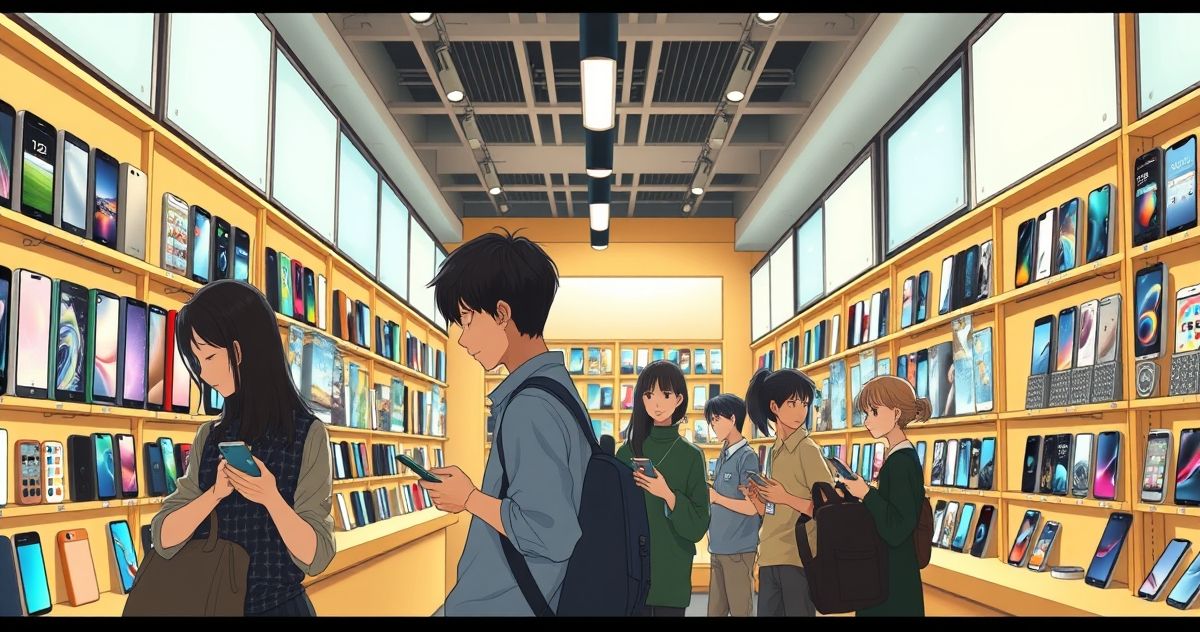
On the first day of abolition, a office worker surnamed Kim who visited a store in Gangnam-gu, Seoul, said he had delayed replacing his phone after hearing news that the law's abolition would make phones cheaper. He decided to wait longer, expecting prices to drop further.
Carrier Response Strategies
With the law's abolition, South Korea's three major carriers are implementing different strategies. SKT is strengthening differentiated services for premium customers, KT is expanding family plan discount benefits, and LG Uplus is targeting younger consumers with unlimited data plans alongside smartphone installment discounts.
Industry officials predict that while legal constraints on subsidies have been removed, carriers are unlikely to immediately engage in large-scale subsidy wars. Instead, they expect benefits to be expanded gradually based on consumer response.
Consumer Impact Analysis
Experts are cautiously optimistic about the law's impact on consumers. While some expect "free phones" or even "negative-price phones" to emerge, carriers will likely provide limited benefits considering profitability.
Telecommunications analyst Dr. Lee Jae-ho notes that while the US offers free latest models with 2-year contracts, such benefits are unlikely in Korea's market. However, consumers can definitely expect better purchase conditions than before.
Smartphone Price Changes Expected
Premium smartphones with retail prices exceeding 3 million won ($2,300) are expected to see significant price reductions through combined subsidies and discounts. Even latest models like the Galaxy S25 series or iPhone 17 series are likely to see competitive benefits from carriers.
A retail industry official reported that some stores are already selling latest models with 2.3 million won retail prices for around 1 million won with specific plan subscriptions, and such cases are expected to increase.
Future Outlook and Challenges
While the abolition brings good news for consumers, challenges remain. "Consumer protection" concerns persist due to complex rate structures and various discount conditions making it difficult for consumers to calculate actual benefits accurately.
Consumer groups welcome increased competition but emphasize the need for government monitoring to prevent consumer harm from opaque pricing structures.
Global Market Comparison
Korea's abolition aligns with global telecommunications market trends. Major countries like the US, Japan, and Europe already maximize consumer benefits through free carrier competition. US T-Mobile, for instance, offers free latest iPhones with 2-year contracts, raising expectations for similar changes in Korea.
The telecommunications industry has entered a new competitive phase with the law's abolition. While consumers can expect better smartphone purchase conditions, careful comparison of each carrier's plans and benefits will be crucial for smart choices.
Original: https://trendy.storydot.kr/it/smartphone-subsidy-war-begins
Comments
Post a Comment