The Global Korean Wave in 2025: K-pop Artists Leading Cultural Revolution Worldwide
The Korean Wave, or Hallyu, has transcended its regional origins to become a dominant global cultural force in 2025. What began as a niche Asian entertainment export has evolved into a mainstream phenomenon that influences music charts, fashion trends, and cultural conversations across six continents.
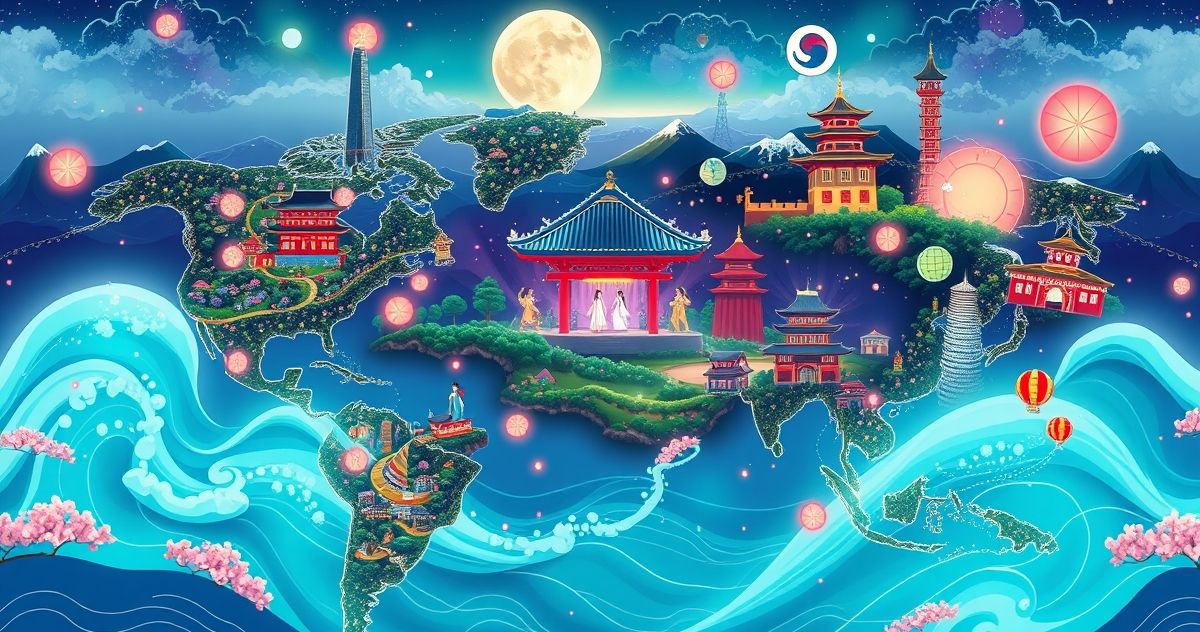
This unprecedented cultural expansion represents more than entertainment success; it embodies a new model of soft power where authenticity and fan engagement create sustainable global influence. Korean artists have not merely exported their culture but have created spaces for meaningful cross-cultural dialogue and collaboration.
Strategic Elements Behind K-pop's Global Dominance
The success of Korean artists on international stages reflects sophisticated strategic planning that extends far beyond music production. BTS pioneered the model of direct fan engagement through social media, creating parasocial relationships that transcend geographical and linguistic boundaries.
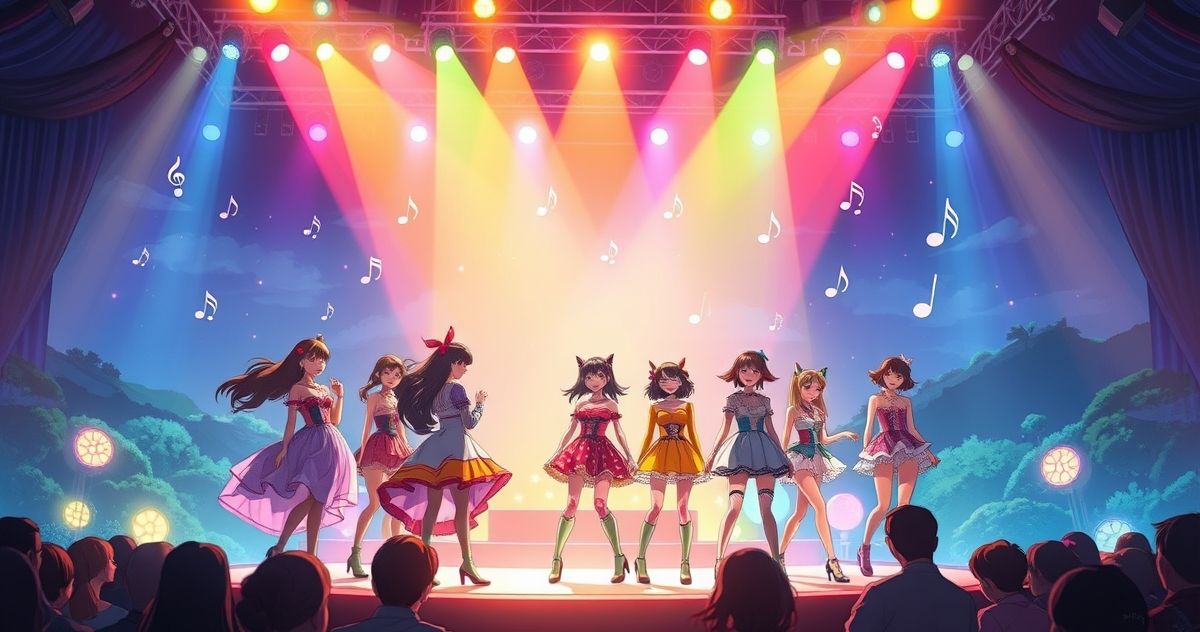
BLACKPINK demonstrated how K-pop could integrate with Western luxury brands and fashion houses, positioning Korean artists as global style icons rather than merely musical performers. Their collaboration with major fashion weeks and luxury endorsements opened new revenue streams and cultural positioning opportunities.
Emerging groups like NewJeans and IVE have refined this approach further, incorporating global cultural references while maintaining distinctly Korean artistic identity. Their Y2K aesthetic and confident messaging resonate particularly well with Generation Z audiences worldwide.
Technology and Distribution Innovation
Korean entertainment companies have leveraged technology more effectively than their Western counterparts. The integration of short-form content creation with traditional music promotion has proven particularly successful on platforms like TikTok and Instagram Reels.
Virtual concerts, AR-enhanced fan experiences, and metaverse performances have positioned K-pop at the forefront of entertainment technology adoption. These innovations became crucial during global restrictions and have since become standard expectations among international audiences.
Cultural Impact Beyond Music
The Korean Wave's influence extends significantly beyond music into language learning, tourism, and consumer behavior. Universities worldwide report increased enrollment in Korean language programs, with some institutions experiencing 300% growth in student interest.
Korean cultural centers in major global cities have evolved from promoting traditional culture to serving as hubs for contemporary Korean lifestyle experiences. These centers now offer K-pop dance classes, Korean cooking workshops, and Korean beauty consultations.
Economic Implications and Market Analysis
The economic impact of the Korean Wave reaches approximately $60 billion annually when including related industries such as tourism, cosmetics, fashion, and food products. This figure represents a significant contribution to Korea's GDP and demonstrates the measurable value of cultural export.
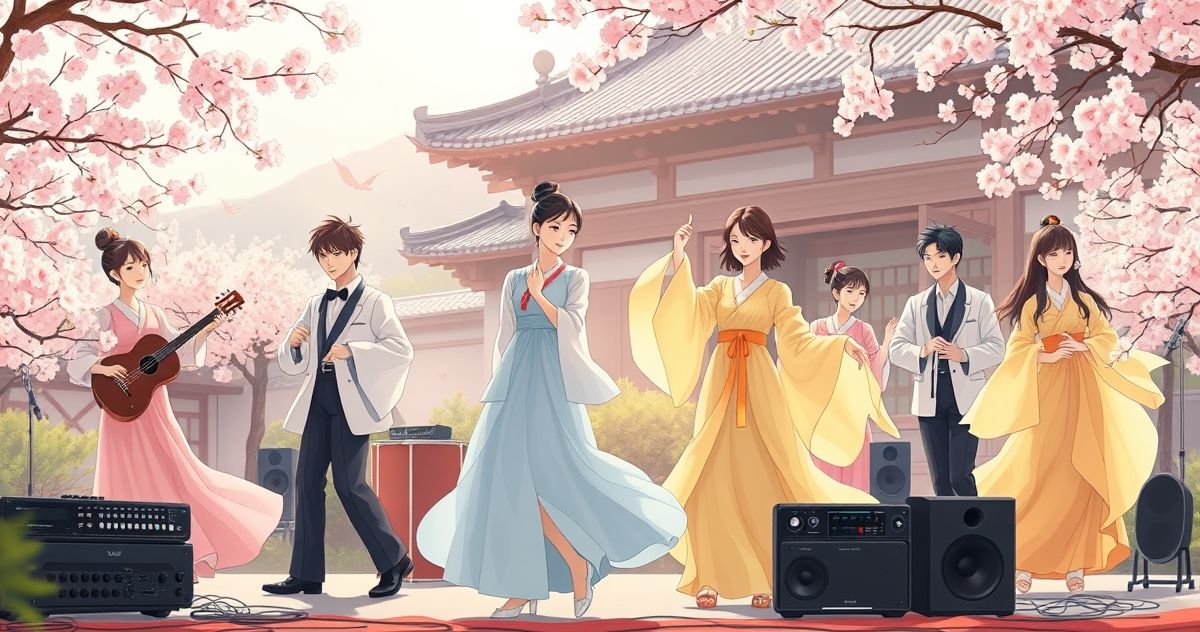
International brands increasingly seek partnerships with Korean artists, recognizing their ability to reach diverse, engaged global audiences. This trend has created new marketing paradigms where cultural authenticity becomes a premium brand asset.
Regional Adaptation and Localization
Successful Korean artists have mastered the balance between maintaining cultural authenticity and adapting to local market preferences. In Latin America, K-pop artists frequently incorporate Spanish language elements and collaborate with regional artists, creating hybrid cultural products that resonate with local audiences while introducing Korean cultural elements.
In Southeast Asia, the focus has been on creating content that acknowledges shared cultural values and historical connections. This approach has proven more effective than simple translation or cultural appropriation.
Challenges and Future Sustainability
The rapid expansion of the Korean Wave faces challenges including market saturation, cultural sensitivity concerns, and the pressure to maintain authenticity while scaling globally. Some critics argue that commercialization may dilute the cultural significance that originally made Korean content attractive to international audiences.
However, the diversity of Korean cultural exports suggests resilience beyond any single trend. Korean cinema, television dramas, webtoons, and gaming industries provide multiple vectors for continued cultural influence.
Fan Culture and Community Building
Korean entertainment has revolutionized fan culture through organized community building and meaningful artist-fan interaction. Fan clubs function as global communities that engage in charitable activities, language exchange, and cultural education.
This model has influenced how Western artists interact with their audiences, with many adopting Korean-inspired fan engagement strategies including personalized content, regular communication through social platforms, and community-focused initiatives.
Educational and Linguistic Impact
The Korean Wave has created unprecedented demand for Korean language education worldwide. Online learning platforms report that Korean has become one of the fastest-growing language learning categories, particularly among teenagers and young adults.
Universities and cultural institutions have responded by expanding Korean studies programs, creating academic pathways for students interested in Korean culture, language, and business practices.
Future Trajectory and Innovation
Looking ahead, the Korean Wave appears positioned for continued evolution rather than decline. Virtual and augmented reality technologies offer new possibilities for immersive cultural experiences, while artificial intelligence may enable more personalized content creation and distribution.
The integration of traditional Korean cultural elements with modern technology suggests that future Korean cultural exports will continue to offer unique value propositions that differentiate them from generic global entertainment products.
Conclusion: A New Model for Cultural Exchange
The Korean Wave represents a successful model for 21st-century cultural diplomacy, where soft power operates through genuine cultural exchange rather than one-directional influence. Korean artists have created space for global audiences to participate in and contribute to Korean culture, rather than simply consuming it.
This participatory approach to cultural export offers valuable lessons for other nations seeking to expand their cultural influence. The emphasis on authenticity, fan engagement, and cross-cultural collaboration provides a sustainable framework for long-term cultural relationship building.
As Korean culture continues to evolve and adapt to global contexts while maintaining its distinctive characteristics, it serves as a compelling example of how traditional cultures can successfully navigate globalization without losing their essential identity.
Original article: https://trendy.storydot.kr/blog/korean-wave-kpop-global-trends-2025
Comments
Post a Comment