Seoul Real Estate Super Cycle Accelerates as Korean New REIT Solutions Target Housing Affordability Crisis
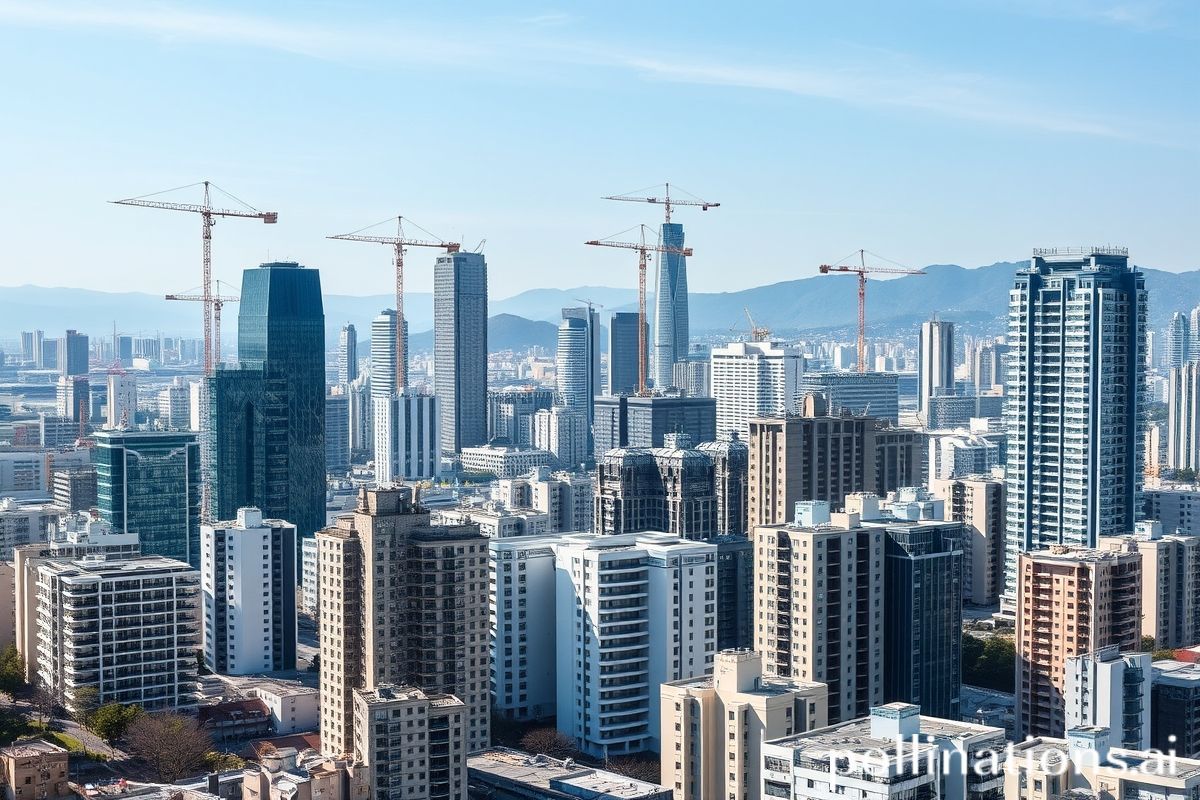
Seoul's real estate market is accelerating into what industry experts are calling a "super cycle" significantly earlier than anticipated, with apartment prices and jeonse (key money deposit) rental costs both surging simultaneously in a pattern that threatens to fundamentally reshape Korea's housing market dynamics. The Korean government is responding with innovative policy solutions including "Korean-style New REITs" that could provide new pathways to property ownership for renters while addressing systemic issues in the world's most expensive housing market relative to income levels.
Industry analysts had initially predicted a supply shortage crisis beginning in 2026-2027, but the effects are materializing throughout 2025 as Seoul apartment transaction volumes increased dramatically during spring and summer months before moderating due to government lending restrictions implemented in September. However, property sellers are maintaining elevated asking prices despite reduced transaction velocity, creating continued upward pressure on market valuations that suggests fundamental supply-demand imbalances rather than speculative bubbles.
For American real estate market observers, Seoul's situation combines familiar elements from expensive coastal cities like San Francisco, New York, and Los Angeles—including limited developable land, strong demographic demand, and complex regulatory constraints—but with the unique complexity of Korea's jeonse rental system, where tenants pay massive upfront deposits equivalent to 60-80% of property values instead of monthly rent payments, creating unusual market dynamics not found elsewhere globally.
The most economically significant development is the rapid acceleration in jeonse deposit requirements, with some Seoul neighborhoods experiencing 10-20% increases over six months, creating a devastating double burden for potential homebuyers who simultaneously face both rising purchase prices and dramatically higher rental costs. This phenomenon creates particularly severe affordability challenges for young professionals and families who find themselves priced out of both ownership and rental markets simultaneously.
Real estate industry sources throughout Seoul report unprecedented numbers of clients switching from rental property searches to purchase inquiries as the financial gap between jeonse deposits and mortgage down payments continues to narrow. This dynamic creates additional purchasing demand that reinforces upward price cycles while reducing rental housing availability, creating a feedback loop that exacerbates affordability problems across multiple market segments simultaneously.
The government's proposed "Korean-style New REIT" system represents an innovative financial instrument that allows renters to convert their jeonse deposits into REIT equity investments while continuing to live in REIT-owned properties as tenants. Under this revolutionary hybrid ownership model, a renter possessing a 300 million won deposit could acquire 20% equity ownership in a 1.5 billion won apartment while paying reduced monthly rent and receiving both dividend income and property appreciation benefits, effectively democratizing real estate investment opportunities.
This hybrid ownership approach could provide a transformative template for addressing housing affordability challenges in other expensive urban markets worldwide, potentially offering policy lessons for cities struggling with similar issues including London, Toronto, Sydney, and Hong Kong. The Korean model's emphasis on converting rental deposits into equity ownership represents a fundamental innovation in housing finance that could influence international real estate policy development.
Economic analysis suggests that Seoul's housing market dynamics reflect broader structural changes in Korean society, including declining birth rates, increasing single-person households, and generational wealth transfers that concentrate property ownership among older demographics while pricing out younger cohorts. These demographic trends mirror patterns observed in other developed economies but occur with particular intensity in Korea's compressed urban geography.
The supply shortage driving current price increases stems from multiple converging factors including stricter environmental regulations that limit new construction, neighborhood opposition to high-density development projects, and construction industry financial difficulties related to project financing challenges that have delayed or cancelled numerous residential developments throughout the Seoul metropolitan area.
International real estate investors have begun expressing interest in Korean residential markets, particularly through potential REIT investments that could benefit from both rental income streams and property appreciation in one of Asia's most dynamic economies. However, foreign investment regulations and cultural preferences for direct ownership rather than institutional investment create barriers to significant international capital participation in residential markets.
Government policy responses beyond the New REIT initiative include accelerated public housing development programs, relaxation of certain development restrictions in designated areas, and enhanced first-time buyer assistance programs designed to maintain homeownership opportunities for middle-class families. However, the effectiveness of these measures remains uncertain given the scale of supply-demand imbalances and the complexity of Seoul's regulatory environment.
The broader implications of Seoul's real estate super cycle extend beyond Korea's borders, as housing affordability crises in major Asian cities increasingly influence regional economic development patterns, migration flows, and social policy debates. The success or failure of Korea's innovative policy responses could provide valuable lessons for addressing similar challenges throughout Asia's rapidly developing urban centers.
Long-term projections suggest that Seoul's housing market trends will significantly influence Korea's economic development trajectory, demographic patterns, and social equity outcomes over the next decade. The ability of innovative financial instruments like New REITs to provide sustainable solutions to housing affordability challenges will likely determine whether Korea can maintain its economic dynamism while preserving social cohesion in an increasingly unequal property market environment.
Original Article (Korean): Read in Korean
Comments
Post a Comment