
Gangnam Reconstruction Expectations Rise as South Korea Implements Anti-Jeonse Fraud Laws
Expectations for reconstruction projects in Seoul's prestigious Gangnam district are reaching new heights, while the South Korean government has officially implemented comprehensive anti-jeonse fraud legislation and expanded special housing supply programs for young adults. These dual developments signal significant shifts in Korea's real estate market, balancing luxury development with tenant protection and affordable housing initiatives.
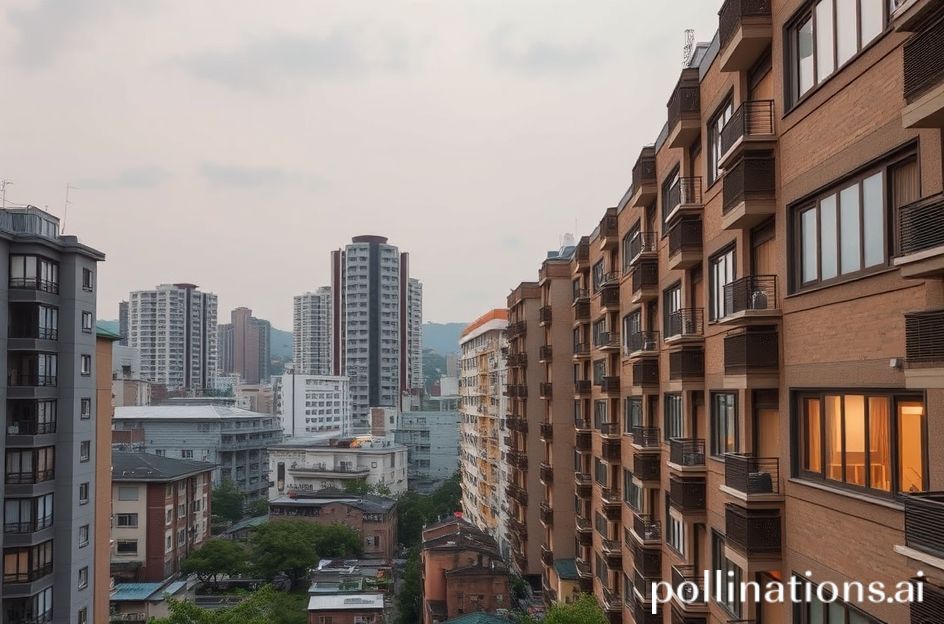
For American readers, Seoul's Gangnam district represents Korea's equivalent to Manhattan's Upper East Side or Beverly Hills, where premium real estate values drive national market trends. The jeonse system, unique to Korea, involves tenants paying large lump-sum deposits (often 60-80% of property value) instead of monthly rent, creating financial vulnerabilities that the new legislation addresses.
Gangnam Reconstruction Market Dynamics
The Gangnam reconstruction boom reflects fundamental changes in Seoul's urban development patterns, with aging apartment complexes from the 1980s and 1990s becoming prime candidates for redevelopment. These projects promise to transform thousands of outdated units into modern, high-density residential towers that meet contemporary living standards while significantly increasing property values.
Current reconstruction projects in Gangnam are expected to increase unit values by 200-300% upon completion, with pre-reconstruction apartments trading at premium prices based on future development potential. This speculation drives intense investor interest and creates substantial wealth effects for existing property owners, similar to gentrification patterns seen in Brooklyn or San Francisco.
The reconstruction process typically takes 7-10 years from approval to completion, requiring complex negotiations among existing residents, developers, and local government authorities. Success depends on achieving 75% resident approval rates and meeting stringent urban planning requirements that balance density increases with infrastructure capacity and community needs.
Major reconstruction projects include the Banpo, Apgujeong, and Cheongdam areas, where land values exceed $10,000 per square meter ($900 per square foot), making these among the most expensive residential areas in Asia. These projects represent over $50 billion in total development value, demonstrating the massive scale of Seoul's urban renewal initiatives.
Anti-Jeonse Fraud Legislative Framework
The new anti-jeonse fraud legislation addresses systematic vulnerabilities in Korea's unique housing deposit system, where tenants pay large upfront deposits instead of monthly rent. Recent fraud cases have resulted in billions of dollars in losses when property owners defaulted or disappeared with tenant deposits, creating housing insecurity and financial devastation for affected families.
Key provisions include mandatory deposit insurance, enhanced background checks for landlords, real-time property value monitoring, and expedited legal remedies for fraud victims. The legislation requires landlords to demonstrate financial stability and property ownership legitimacy before accepting jeonse deposits, reducing opportunities for fraudulent schemes.
Government-backed deposit guarantee programs now protect up to $750,000 (1 billion won) per jeonse contract, providing security for tenants while creating accountability mechanisms for property owners. This insurance system operates similarly to FDIC bank deposit protection in the United States, though applied to housing rental relationships.
Digital verification systems enable tenants to verify property ownership, outstanding mortgage balances, and landlord credit histories before signing contracts. These technological solutions provide transparency that previously required expensive legal investigations, democratizing access to crucial rental decision information.
Youth Housing Special Supply Expansion
Recognizing acute housing affordability challenges facing young Koreans, the government has dramatically expanded special housing supply programs targeting citizens aged 19-39. These programs allocate 40% of new public housing units specifically for young adults, significantly increasing their access to affordable housing in major metropolitan areas.
Special supply criteria include income limits, savings requirements, and first-time buyer status, ensuring that programs serve genuinely needy populations rather than enabling speculation by higher-income buyers. Priority systems favor newly married couples, parents with young children, and individuals working in essential public service occupations.
The expanded programs provide approximately 100,000 additional housing units annually for young adults, representing a 150% increase over previous allocation levels. This supply expansion addresses critical shortage issues that have forced many young Koreans to delay marriage, childbearing, and household formation due to housing unaffordability.
Financing support includes government-backed mortgages at 2% interest rates, significantly below market rates of 4-5%, along with reduced down payment requirements and extended repayment periods. These favorable terms make homeownership accessible for young adults earning median incomes, similar to FHA programs in the United States but with more generous terms.
Market Stabilization and Regulatory Balance
The government's dual approach of supporting premium development while protecting tenants and expanding affordable housing reflects sophisticated understanding of housing market complexities. Rather than choosing between luxury development and affordable housing, policymakers are pursuing parallel strategies that address different market segments simultaneously.
Reconstruction projects provide high-end housing supply that absorbs luxury demand and generates substantial tax revenues, while anti-fraud measures and youth housing programs protect vulnerable populations and ensure market stability. This balanced approach aims to prevent both housing bubbles and widespread displacement while maintaining economic growth momentum.
Regulatory frameworks now include real-time market monitoring systems that track price movements, transaction volumes, and speculation indicators across different housing market segments. These systems enable rapid policy adjustments when market imbalances threaten overall stability or affordability.
Economic Impact and Investment Implications
The reconstruction boom is expected to generate over $30 billion in construction activity and create approximately 200,000 jobs across engineering, construction, and related industries. This economic stimulus provides significant growth momentum for Korea's domestic economy while upgrading urban infrastructure and housing quality.
Foreign investment interest in Korean real estate has increased substantially, with international funds recognizing the stability and growth potential of Seoul property markets. However, regulations limit foreign ownership in sensitive areas while welcoming investment that supports development goals and job creation.
Property tax revenues from reconstruction projects are projected to increase by 400-500% as property values rise, providing local governments with resources for infrastructure improvements, education, and social services. This revenue enhancement supports broader public investment while maintaining fiscal sustainability.
Social Policy Integration and Long-term Planning
Housing policy reforms integrate with broader social objectives including birth rate improvement, youth employment, and social mobility enhancement. By making housing more accessible and secure, policymakers hope to encourage family formation and reduce the economic pressures that have contributed to Korea's demographic challenges.
Urban planning initiatives emphasize mixed-income communities that include both luxury reconstruction projects and affordable housing units within the same neighborhoods. This approach aims to prevent economic segregation while ensuring that housing development serves diverse population needs.
Environmental sustainability requirements for reconstruction projects include energy efficiency standards, green building materials, and renewable energy integration that exceed previous development standards. These requirements align housing development with climate change mitigation goals while creating healthier living environments.
The comprehensive approach to real estate market reform demonstrates Korea's commitment to balanced urban development that supports economic growth while protecting vulnerable populations and promoting social stability. Success of these initiatives will influence regional housing policy approaches and provide models for other nations facing similar housing market challenges.
Source: TrendyNews Korea
Original Korean Article: 강남 재건축 기대감 상승, 전세사기 방지법 본격 시행
Read the original Korean article: https://trendy.storydot.kr/gangnam-reconstruction-rental-fraud-prevention-sep16/


0 Comments